
Parenting styles across different cultures and what we can learn from them
Kerina De Floras Felix
author parentcircle author parentcircle author parentcircle author parentcircle author parentcircle author parentcircle author parentcircle author parentcircle author parentcircle author parentcircle author parentcircle author parentcircle
Did you know that babies in Norway are let to sleep outdoors in their strollers during the day? Read on to know more about this and other interesting parenting styles from around the world
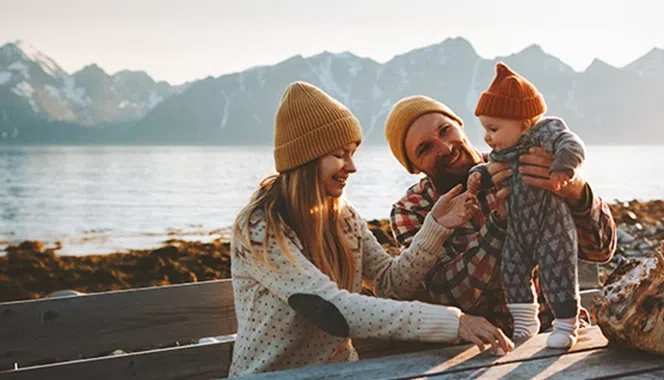
For every parent and child, parenting is a unique and adventurous journey. Most of you might agree that what works for one child, might not work for another – this is the case even among siblings. While parenting practices vary within the same family, they are strikingly different across countries and cultures. While it’s okay for parents in Japan to let children as young as 7 years old commute on trains or buses on their own, in India it’s almost unthinkable. Do these differences in parenting styles impact the children? Yes, they do, say researchers.
A study titled ‘Parenting Dimensions and Styles: A Brief History and Recommendations for Future Research’ published in 2013 investigated how individual parenting practices might affect child development. Researchers identified three major factors affecting parenting styles – how parents are affectionate to their children, the level of control they give their children, and the degree to which they provide a predictable and consistent environment for their children to grow up in. These factors are closely connected to the parent's cultural background and play a huge role in how they raise their children.
Let’s take a look at some interesting parenting styles from around the world, which might come as a surprise, but can show us a different aspect of parenting.
Babies nap outdoors in their strollers – Norway, Denmark
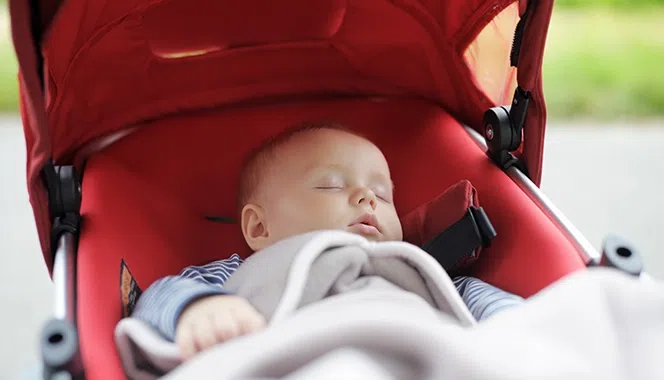
The Norwegians are known for their ‘friluftsliv’ – love for the outdoors. So, while in Norway or Denmark, don’t be surprised to see babies napping in their strollers outside coffee shops or restaurants. It is a common practice here for parents to let their babies sleep outdoors, as they shop or have a meal. A baby monitor is attached to the strollers so that they can keep an eye on the baby at all times. Parents believe that babies need a lot of fresh air, and by napping outside they are less prone to catching a cold or cough. Babies who sleep outdoors are also found to sleep better and for a longer time. Street safety is so good here that this parenting tradition is possible.
Young children use public transport independently – Japan
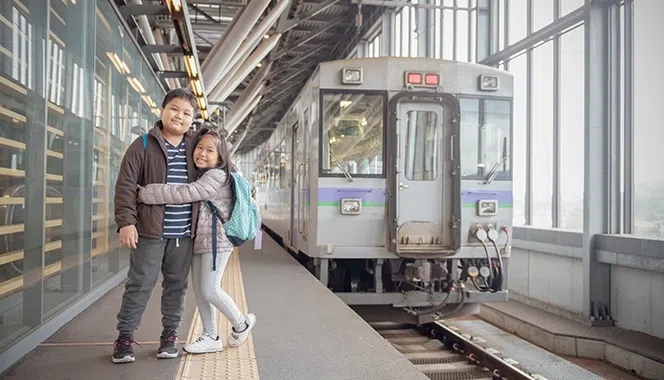
Parents in Japan believe that children are ready to commute to school independently after they turn 6 or 7. They urge kids to walk or use public transport to get to school, run errands, and do grocery shopping on their own. Kids also learn to sweep and mop their classrooms from first grade. Parents want their children to be independent from a young age. These practices also help children learn to trust the community when they need help.
Potty training for children starts when they are 9 months of age – China, Vietnam
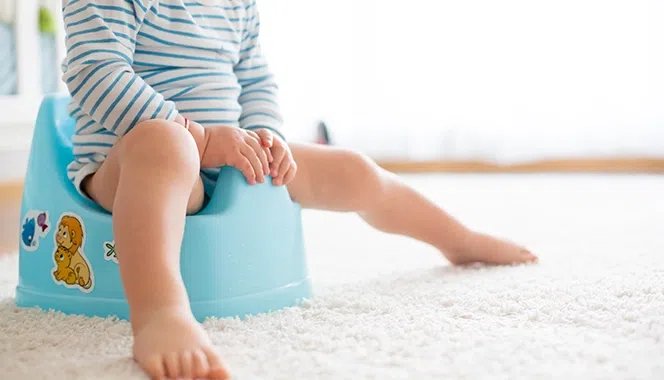
In Vietnam and China, parents start potty-training their babies when they turn 9 months old. They start looking for signs like facial expressions, body movements, or cries that tell them their baby wants to urinate or poop.
In Vietnam, when parents notice that their babies are peeing or pooping, they make a low whistling sound. Then they whistle to urge their baby to go potty. Eventually, the child learns to associate the whistle with potty and they learn to use the bathroom without their parent's help. In China, many parents use a similar method to potty-train their children, called Elimination Communication. In this method, parents pay close attention to signs that their baby wants to go potty and help them get to the bathroom or a training potty chair. It may take a while but going diaper-free so much earlier is definitely worth it!
Eating is a social experience and children enjoy meals with the family – France, South Korea
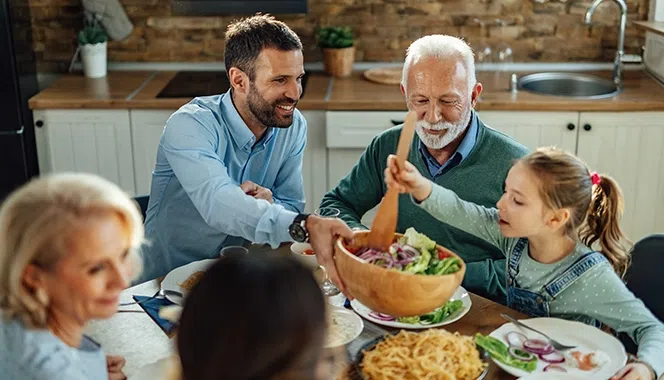
Many of us are always wondering if our children are hungry, often fixing them a meal before we sit down for dinner. This is not the case with families in France or South Korea. In these countries, people believe that eating is a social experience that must be enjoyed with the family. So, parents generally don’t give in to their children’s hunger tantrums and let them wait for their families to join them. They are also encouraged to eat what everyone else does, instead of a kid-friendly option. Parents say that children learn to avoid mid-meal snacks, and this makes them mindful eaters. Children are also urged to savor their food, instead of having hurried meals.
Less time in school and more time outdoors helps children thrive – Finland
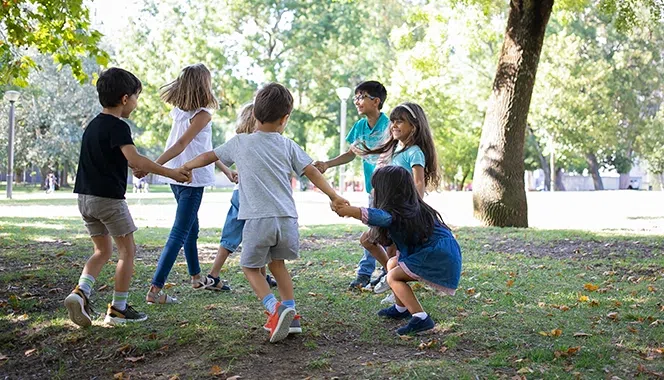
Children in Finland start school only at the age of 7! Yes, parents believe that children need to play and be physically active during the early years of their life, as it is the time to be creative and explore the world around them. Even when they start school, they enjoy long breaks during which they are encouraged to play outdoors. They are also given minimal homework and are not required to take standardized tests.
Are you surprised? Wait till you hear about this – Finnish children consistently rank high in the global OECD (Organisation for Economic Co-operation and Development) rankings every year! Finland’s education system also ranks among the top few in the world, so parents are happy with the way things are working out.
Extended families raise children - Congo
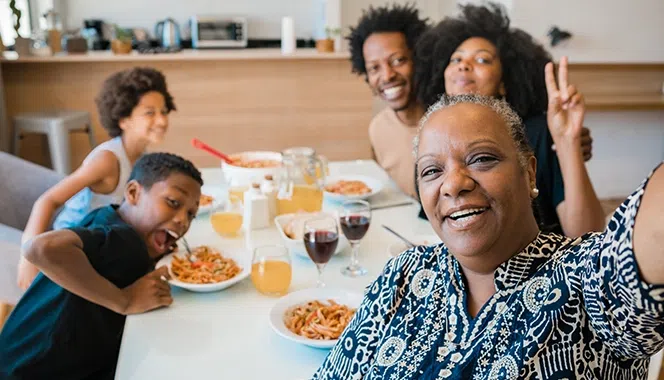
In many African countries like Congo and Kenya, the saying ‘it takes a village to raise a child’ holds true. Extended families are a very important part of a child’s life and are also responsible for raising them. This takes a load off the parents’ shoulders when they know that the whole family, even remote relatives, is there to help their child grow and learn. In some communities in Congo, women look out to all children as their own and are even known to share their breastmilk with other children. Older children also stick around with the family and help raise the younger children. Although they value their independence, they love to be a part of the extended family structure and enjoy community living.
Corporal punishment (spanking) is banned – Sweden
Sweden was the first country to ban corporal punishment in 1979! Parents here don’t even think of spanking as a means of enforcing discipline in children. Instead, they talk and reason with their children to help them understand. They also encourage more relaxed routines and let their children play outdoors more than overscheduling them with classes. There is a Swedish saying that roughly translates to, ‘There’s no such thing as bad weather, just bad clothing’ – this means that any weather is perfect to be outdoors if you’re dressed accordingly.
Although parents around the world have distinct parenting styles according to the place they live in and the culture they embrace, all of us shower bucketloads of love on our children and look out for them always. Whether you raise your child in a joint family, potty-train them early, or they co-sleep with you, you’re a perfect parent for your child. Remember that whatever challenges, tantrums, or baby food is thrown at you, it’s all worth it. Happy parenting!























Comments
Ashwin Dewan Nov 11, 2022
Thoroughly enjoyed reading this article. Some interesting parenting practices to read about.
Edit
Comment Flag
Cancel Update