
Women’s Day Special: For These 3 Eco-Moms, Change Begins At Home
This Women’s Day, we bring to you three moms, Bharti Ramde Khuti, Soumya Manthena and Gopa Bezboruah who are making a difference in small, yet significant ways by choosing sustainable ways of living, and leading their entire household by example
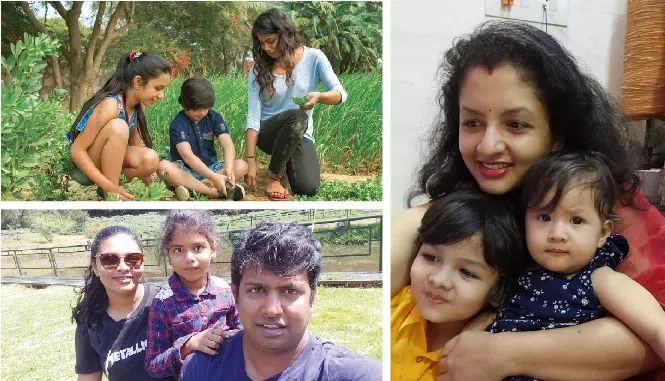
Women can be powerful agents of change and one of the biggest influences on their children. And it makes a big all-around impact when women decide to drive sustainable practices at home.
These days, big, worrying words are thrown at us all the time, urging us to be mindful of our wasteful ways. Net-zero living, sustainability, carbon footprint, and zero-waste are all ways of living that’ll help us leave behind a better earth for our future generations. But statistics indicate that most of us aren’t quite there yet.
Did you know that the plastic bag we carry home from a shop is used just for an average of 12 minutes, but ends up in a landfill or the ocean for hundreds of years after that? Or that there will be more plastic than fish in the seas by 2050 if we continue using plastic thus?
So, what can we do to save the planet? The answer is sustainable living. Being sustainable does not always mean going on beach-cleaning drives, installing solar panels, and driving electric cars. Minor lifestyle adjustments at home can also go a long way in driving sustainability and inspiring children to embrace mindful living.
ParentCircle spoke to three eco-warriors who show how caring for the earth begins at home.
Embracing a down-to-earth lifestyle - Bharti Ramde Khuti
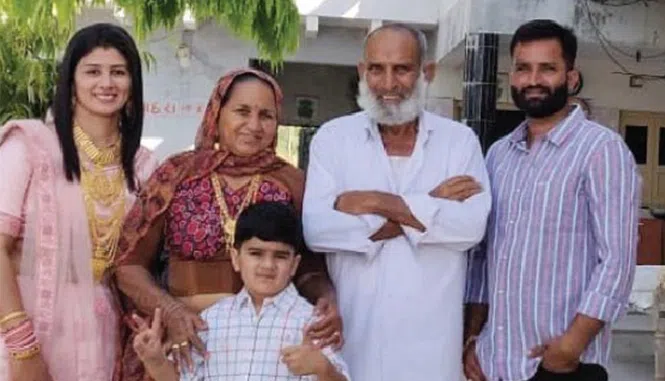
Bharti and her husband Ramde gave up the luxe lifestyle they were leading in the UK to take up organic farming in India. “We wanted to give our son the best life possible,” says Bharti. Now, they share their sustainable lifestyle journey with others through a YouTube vlog, ‘Live village life with Om & family.’ Here’s Bharti’s inspiring story:
“We relocated from London to Gujarat in 2015 when our son Om was 9 months old, as Ramde wanted to be with his parents. After returning to India, my husband and I decided to do something on our own as we didn’t want to work in a nine-to-five environment. We had some space in our village, so we started a dairy farm business. I didn’t know anything about milking a buffalo, but my mother-in-law taught me. We used to get around 50–60 liters of milk per day, but since these things were new to both of us, it took us nearly a year to figure things out.
Village life motivated us to focus on natural, clean living. We understood that consuming chemically grown produce is one of the major sources of diseases in both kids and adults. So, we reconsidered our cultivation practices and adopted organic farming. It was a big step, and for the initial three to four years, we didn’t have much produce, as the soil was getting used to organic practices. Today, on nearly seven acres of land, we grow groundnut, cumin, coriander, sesame and jowar, organically.
‘Om watches us work hardin the fields’
Our farm takes up a major part of our living, and I can say with pride that it’s also our small contribution toward a greener planet. We grow grass to feed our cattle, use the cow dung as compost, and compost our kitchen waste and use it for our flowering plants. I think kids learn the most by observing adults. Om watches us work hard in the fields and understands the importance of taking care of the soil, environment and animals. I think urban parents should try to bring their children closer to nature by visiting farms and villages, by encouraging them to plant trees, and if possible, tend to a mini organic kitchen garden. If you have space, keep a birdhouse in the veranda—these are small steps to raise kids who love and care for nature.
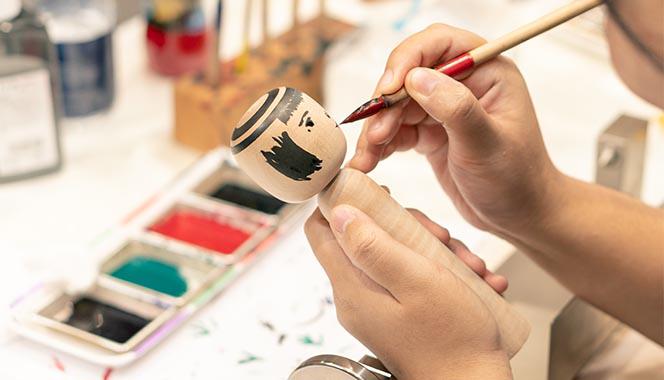
As a family, too, minor lifestyle changes can help run a sustainable home. We try not to waste paper, we limit food wastage, we carry reusable bags instead of plastic ones, and walk instead of taking out vehicles all the time. If we parents become conscious about our choices, we can bring about a huge change. You can compost vegetable waste at home and use locally available produce. Also, use ‘Made in India’ toys instead of opting for branded ones. Avoid plastic toys and buy traditional toys made of wood or clay—this way, you’ll also support local businesses.”
Taking baby steps to go green - Soumya Manthena
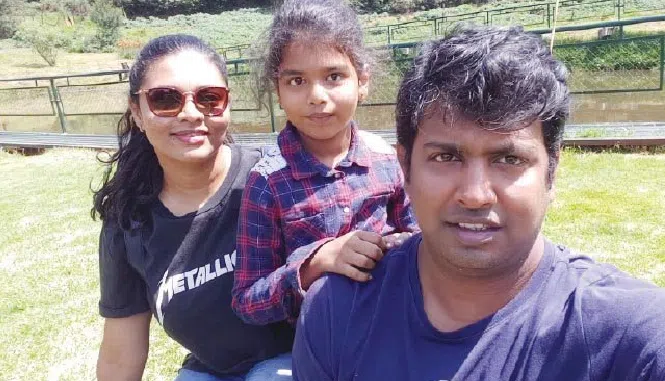
Hyderabad-based Soumya is a passionate green blogger who runs the popular Instagram account, @greenfeetcleanfeet. While her modest upbringing ensured mindful consumption was a part of life, she began “eco-friendly, natural and plastic-free living” only after becoming a mum. Soumya reflects on her journey:
‘I tried, tested, learned, unlearned’
“Like all moms, I want the best for my daughter. But the sad truth is that we can no longer guarantee even clean air, food, or water for them. Realizing this has made me consider our impact on the environment and what we are leaving for the future generation. I started with cloth-diapering, as wrapping organic matter in plastic and sending it to a landfill didn’t make sense. The next transition was to use a menstrual cup. Both the switches were as much about hygiene as they were about sustainability. When I started eight years ago, I took many baby steps, kept up my DIYs, lowered plastic usage, but I couldn’t be consistent, as I was doing it alone and not many people understood me. So, I took to Instagram to share my views on mindful living. I shared everything about how I tried, tested, learned/unlearned; and dabbled with composting and bioenzymes. Slowly, I started meeting like-minded people, shared experiences and resources, and got loads of motivation.
‘We follow very simple things to be more sustainable’
Our entire family gets involved in:
- tending to our garden where we grow a portion of the food we eat
- composting food and garden waste
- segregating dry waste to be
- responsibly recycled
- using natural and plastic-free
- personal care products (toothpaste, toothbrush, shampoo/conditioner, soap bars)
- using only biodegradable and toxin-free natural cleaners for our floors, dishes, laundry. We make cleaners at home with bio enzymes and soap nuts
- thinking about the possibility of borrowing, swapping, buying secondhand, or checking with friends and our community for giveaways before buying something
- cooking at home as much as possible
- buying most of our groceries package-free from farmers’ markets
‘We parents need to show our kids the way’
My 10-year-old daughter Avani has used hand-me-downs—from her crib to the car seat, tricycles and toys. In fact, you can find most baby things secondhand, in good condition, online. We get thrift clothes for Avani and she thinks it’s the coolest way to shop! She has exchanged clothes, toys, shoes with her friends in our community, and enjoys the process.
For birthdays, we either make cards or exchange preloved gifts. To raise kids who are conscious consumers, we parents need to show them how. We can teach them from a young age the importance of having less, and shield them from the consumer-driven society we live in. And when I say ‘teach’ kids, it means leading by example. Unless the household adopts a sustainable lifestyle, kids might not take it up.
‘Gardening helps kids understand how their food grows’
To instill love and care for nature in our kids, we must spend more time outdoors. Humans are wired to enjoy the outdoors and nature’s bounties. We plan our holidays or free time outdoors— trips to forests or nature parks, weekend camping, treks, walks, bird-watching or farm tours. We once took our daughter to a cob-building (building mud houses) workshop, and she loved it. Up until then, she couldn’t have imagined that a wall or house could be built with mud, straw and bare hands.
Another way to get kids interested in an eco-friendly lifestyle is gardening. It helps them understand how their food grows. They tend to be less wasteful and more appreciative of the food on their plates. Lake or beach clean-up drives help them understand where the waste ends up if we are irresponsible. We have visited a landfill and a couple of large-scale composting, waste segregation, and incineration facilities to get an idea about the scale of waste we produce.
‘New parents? You can make small changes’
You can reduce dependency on disposables—ditching single-use diapers for cloth diapers can reduce non-recyclable waste production. Celebrate festivals responsibly; you can plan zero-waste birthday parties and playdates. Try cooking baby foods and snacks at home instead of relying on processed or prepackaged foods that come in plastic wrapping. Whenever possible, look for package-free options. Consider using natural homecare and personal care products—there are plenty of options nowadays. Switch to energy-and water efficient appliances.
When you travel, choose trains over flights and public transport instead of driving your vehicle; opt for cab shares, carpools for daily commute.”
Connecting with nature makes you care for earth - Gopa Bezboruah
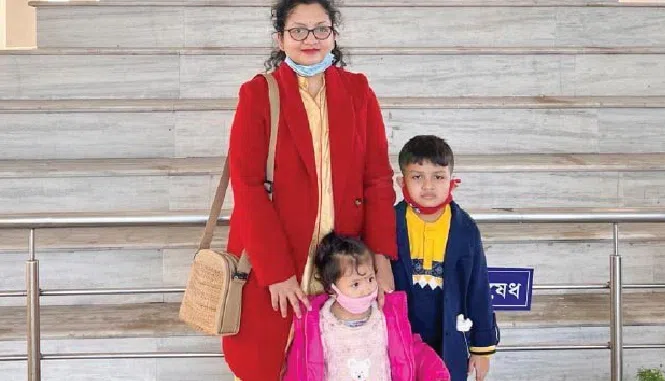
A Mumbai resident and mother of two kids, Gopa is a passionate believer in the ‘natural’ way of living. She has adopted sustainable practices, as she wants her kids to grow up in a better world and leave it a better place. Gopa documents her sustainable journey on her website and on her Instagram account, @mommygopa. Here’s her story:
‘We felt the need to be more mindful of our daily choices’
“Our shift to an organically sustainable lifestyle happened naturally. My husband Amrit Pritam and I are from Assam, and we grew up amidst verdant nature. Life brought us to Mumbai, and after our first child, we felt the need to be more mindful of our day-to-day choices.
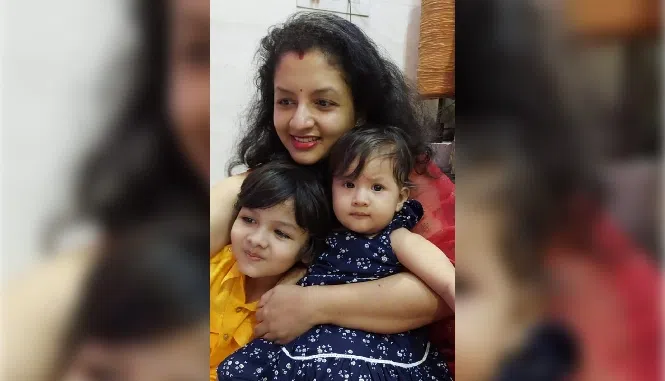
I switched to menstrual cups and stopped using disposable diapers, and after many hiccups, I became a pro by the time I had my second child, our daughter Arya.
Waste segregation has become second nature to us now. I’m also a conscious consumer—I try to buy toys that are made of recyclable materials and run on rechargeable batteries. Recently, I spent a lot of time in Assam and we explored remote places in the Northeast with the kids. Being close to nature has therapeutic value, and it’s a great opportunity to talk about the need to love and care for the environment with children.
‘It’s not hard, you just need to be determined’
A lot of parents shy away from sustainable living, thinking it’s too much of a hassle and that the products are expensive. It’s a myth.
Many new parents shy away from cloth-diapering because they think it’s messy and not viable while traveling. I agree it's not as convenient as the disposable ones, but once you consider the chemicals used in making a diaper and how it ends up in a landfill, you’ll be willing to make the switch.
To motivate new parents, I blog about my travels to different parts of India with two toddlers and how I still manage to stick to cloth diapers.
We also meticulously segregate waste. Since the age of 3, our son Agniv has been asking, ‘Which dustbin?’ before disposing of waste. We talk to kids about food wastage and how they should serve themselves only the amount they can eat during mealtimes. We try to buy products with less packaging and avoid plastic as much as possible. We carry our water bottles everywhere we go; birthdays at home are green-themed! I choose organic and locally made personal care products.
‘Salvage everything salvageable’
Before buying new things, check if we can get preloved ones. Festivals are occasions when we need to be conscious of our choices. Our kids love to celebrate Christmas and Diwali. So for Christmas, we’ve been decorating a real tree with pomegranate fruits as decorations for the past few years. We’ve also stopped buying plastic decorative items for Diwali and other festivals. We opt for earthen diyas.
‘Our family’s eco-friendly practices’
- buy new things only if preloved is not an option.
- ditch everything disposable, from diapers to decorative items.
- minimal use of natural resources; using LED bulbs; designating a ‘Switch-Off Superhero’ at home who is responsible for switching off fans and lights when not in use.
- mindful eating while at the dining table.
- home-composting of biodegradable waste, segregating waste before disposal.”
So, when it comes to sustainability, every act counts. There is no need to start big, it’s all about making small changes in your daily lifestyle for a better tomorrow. The most important thing, however, is to show our kids that sustainable living and a net-zero lifestyle begins right at home.























Comments
Ashwin Dewan Feb 16, 2023
Kudos to these women who are trying to bring in change in their own small but significant ways.
Edit
Comment Flag
Cancel Update