
How To Raise An Environmentally Friendly Child Through Everyday Green Living
Pratibha Pal
Raising an eco-conscious child begins with small everyday choices at home. Discover practical ways of teaching children sustainability through simple habits, hands-on activities, and positive role modelling that can nurture lifelong care for the environment
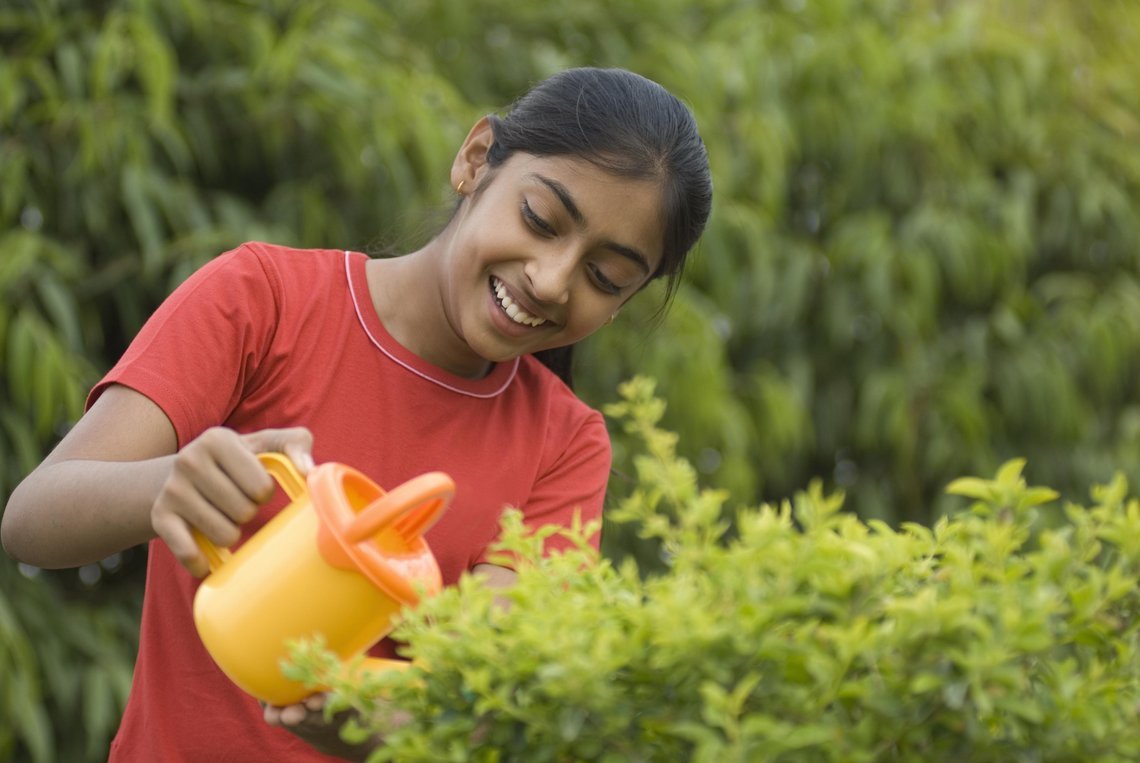
Raising a child who cares for the environment is not difficult. The rate at which our resources are dwindling should be enough motivation for us to let the present generation understand the importance of protecting the environment, not only for today, but for posterity.
Why environmental responsibility starts at home
Parents as role models
One of the first steps in being eco-conscious is to follow an eco-friendly lifestyle yourself. You can talk about saving the environment and all the perils we face because of the damage we are causing, but if you don't practice what you preach, you are not creating the right impact.
Why everyday habits matter
Involving your children in eco-friendly practices acquaints them with green living. Start with simple tasks such as separating wet and dry garbage or making DIY utilities for your home.
| Quick fact: Disposable products contribute significantly to household waste, so reducing single-use items can make a meaningful difference. |
5 simple ways to raise an environmentally friendly child
As parents, you can help your child establish environmentally friendly habits at a very young age, especially if you are a good example yourself. Explain to them what you are doing and why, to make it more impactful. Developing eco-friendly habits is similar to developing a lifestyle that makes children more conscious of their actions. In this article, we've listed 5 easy tips that can help you raise a child who cares for the environment.
Make eco-friendly living a family activity
1. Use DIY cleaners
Involve your child in making simple, natural cleaners. It helps them understand that everyday choices can reduce environmental impact. You don't need to invest in chemical-laden options anymore. A chemical-free home has a healthier and cleaner atmosphere.
| Quick tip: Make your own natural window cleaner by adding 2 tablespoons of vinegar to a litre of water. Add a drop of your favorite essential oil to it, and you have a cleaning solution with a fragrance you love! |
2. Choose natural and sustainable products
Opt for products and resources that are natural and environmentally friendly. Support local organizations that protect the environment. Opt for brands that consider fair trade, rely on natural resources, and use chemical-free ingredients in their products.
| Quick tip: A quick look at the ingredients list will let you know if the products are natural. SLES, parabens, SLS, and fragrances are some of the words that should raise a red flag! |
3. Teach water conservation through daily habits
Small ways to conserve water add up to gallons. Some examples: not leaving the tap open while brushing your teeth, or having a bucket bath to save water. I practise these conservation techniques through small acts such as using the water in which I have washed rice and pulses to water my plants.
| Quick tip: Have you heard of natural floor cleaners? These are made of natural ingredients, and the best part is that you can reuse the water to water your plants. |
4. Show children how waste can become a resource
When you decide to compost, you are choosing to reduce landfill. Composting helps turn wet garbage into fertilizer for your garden. If you live in a gated community, you can consider building a composting pit. Segregating waste also helps children learn the difference between biodegradable and recyclable trash.
| Quick tip: Segregating your household waste is the first step to composting. |
5. Grow food and connect children with nature
One of the main benefits of growing your own food is that you are eating free from pesticides and chemicals. It is also an activity your children can be involved in. Have your own veggie garden. Sowing seeds, planting saplings, and harvesting the yield is fun and satisfying.
| Quick tip: If you are challenged for space, don't worry, you can always grow veggies in pots. Brinjals, tomatoes, chillies, basil, mint, and coriander are some of the veggies that can grow in pots. |
Raising environmentally responsible children is a long-term journey
Children develop environmental values through everyday experiences. When they see parents conserving water, reducing waste, growing food, and making thoughtful choices, they learn that caring for the planet is part of daily life.
Small actions practised consistently can help raise children who are not only environmentally aware but also motivated to make a positive difference in the world around them.
Parent checklist: Raising an environmentally friendly child
- Model eco-friendly habits consistently at home
- Explain why environmental choices matter
- Involve your child in waste segregation and recycling
- Encourage water and energy conservation
- Choose sustainable products whenever possible
- Grow herbs, vegetables, or plants together
- Spend time in nature regularly
- Reduce single-use plastics at home
- Help your child understand the impact of waste
- Celebrate small eco-friendly actions and progress
Take action today and say no to plastic! Join us in embracing sustainable alternatives for activities to avoid plastic.
Last updated on: June 02, 2026



























Comments
Edit
Comment Flag
Cancel Update