
A Guide To Migraine In Children
Dr R K Jain
author parentcircle author parentcircle author parentcircle author parentcircle author parentcircle author parentcircle
Characterised by recurrent headaches that can range from moderate to severe, migraines are a source of much pain for adults. With children, they are no less forgiving. Read this article to know more.
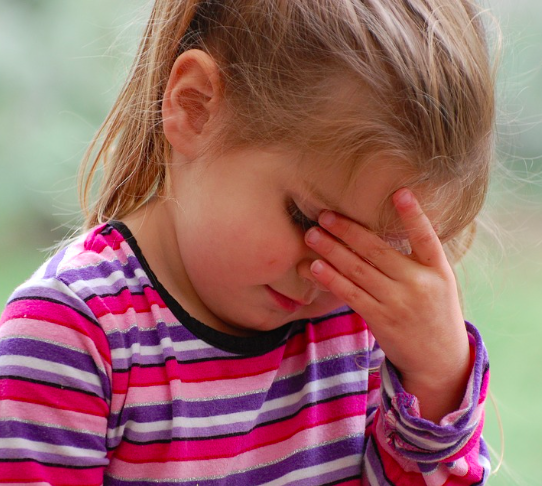
Rahul Jain is a healthy man who is in his mid-thirties. He exercises regularly and follows a healthy diet. One day, Rahul experiences a throbbing pain on the left side of his head. Thinking it to be a case of a regular headache, Rahul takes a painkiller and goes to sleep. However, a few days later, the pain comes again and this time, with a bigger intensity. Unable to bear the pain, he visits a doctor who says he has a migraine.
What is a Migraine?
A migraine can be defined as a severe and debilitating headache. It is characterised by certain symptoms like a pulsating and throbbing sensation in the head, sensitivity to light and sound, pain behind the eyes, and a nauseous feeling which is accompanied with butterflies in the stomach. This throbbing headache can be felt in a specific portion of the head or can be felt on both sides as well.
At times these headaches are indicated by the presence of an 'aura'. This aura could be in the form of flashing lights, sudden lightheadedness, the presence of a blind spot in one eye and weakness on one side of the body. This aura tends to be felt before a migraine begins and may at times continue till the headache finishes.
Causes of a Migraine:
The exact cause of a migraine is unknown. However, it can be due to several reasons:
- Hormonal changes,
- Intake of certain types of food,
- High levels of stress,
- Changes in neurotransmitter levels within the brain and
- Long periods without food.
A person can also be genetically predisposed to experiencing migraine. During a migraine, physical exertion and mental pressure will worsen the symptoms. Eye pain may result in blurry eyesight. The best thing to do at the time of a migraine is to allow the child to lie down in a cool dark room. It'll help ease off the pain and enable him/her to sleep. Sleep often is the best solution to a migraine.
How to treat a Migraine?
A migraine can be treated in several ways.
- Food consumption should be regular and sleep patterns should be regulated and set in stone.
- Outdoor activities must be encouraged to tire out the body and mind.
- Screen time must be limited as it puts excessive pressure on the eyes.
- A child suffering from a migraine can be given soothing massages to ease away the tension from their body.
- They can also have a cold-water bath that will cool off the body and help loosen the tightened muscles.
- Ice on the head can also be used to lull the mind into a pacified and dream-like state.
In addition to this, a child suffering from a migraine can be given herbs to calm the mind, administered acupressure and aromatherapy to relieve the symptoms of a migraine.
Migraines are more than just a simple case of headaches. The pain can be of a higher intensity than a simple headache. Go through the pages of this ClipBook to know all about a migraine including some natural home remedies.
When these non-allopathic approaches do not work, and the pain persists it is advisable to use mild painkillers. These will help the pain to subside and provide relief to the child. However, these should be monitored and administered under the supervision of a physician.
If the pain does not subside then the patient should be given a stronger sedative/painkiller. However, if the pain continues over a period of 3 to 4 days and occurs irregularly then it is advisable to undergo an MRI or CT Scan which can give a clearer picture of what is going on.
Migraines in children:
Migraines are very common in children. They have a 50 - 50 chances of inheriting it from either parent. It occurs in children who are as young as 18 months. In fact, most children before the age of 12 years are known to have a migraine attack.
Around 105 of school children suffer from migraine attacks. A disorder of the nervous system, severe headaches such as migraines are often dismissed, underestimated, under-recognized and under-treated throughout the world.
According to the WHO, migraine on its own was found to be the sixth highest cause worldwide of years lost due to disability. The long-term effort of coping with a chronic headache disorder may also predispose the individual to other illnesses.
The author is a Paediatric Neurologist, Fortis Memorial Research Institute.
Hope you liked this article. To get expert tips and read interesting articles on a wide variety of parenting topics, Subscribe Now to our magazine.



















Comments
Edit
Comment Flag
Cancel Update