
Constipation in children
Dr Vivek M Rege
author parentcircle author parentcircle author parentcircle author parentcircle author parentcircle author parentcircle
There are many reasons for constipation in children. This article lists them out and gives out solutions to rid off the problem.
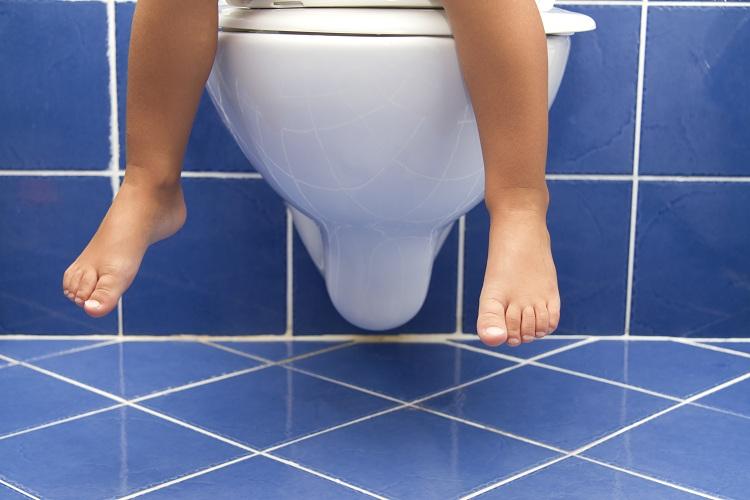
Let's define it
Occurrence of two or more of the following symptoms over the 2 most recent months if the child is >4 years of age, and 1 month if the child is <4 years of age:
- Reduced bowel movements: < 3 per week
- More than one episode of faecal incontinence (involuntary or accidental) per week; this condition is called 'encopresis'; it involves the child's underwear being soiled
- Large volume of stool in rectum or palpable in abdomen (on examination by a doctor)
- Passage of large diameter of stools or traces of blood in stool
- Display of retentive behaviour: posturing (sitting or standing with the legs stiff), withholding, standing on toes, crossing legs, etc.
- Painful defecation
Causes
Primary cause: Improper diet
The wrong type of food, with inadequate fibre, causes low residue and leads to constipation. This, in turn, causes loss of appetite, which again leads to decreased intake and further constipation. In almost 90% of cases, this is the cause of constipation.
Lesser-known causes
Constipation can be a side effect of drugs prescribed for other diseases.
Anatomical/structural causes like small size of the anal opening or the anal opening being situated slightly ahead of the usual position. These will require surgical intervention.
Being born with an abnormal intestine, mainly the large intestine - this condition is called Hirschsprung disease.
Other common causes
Refusal to pass stools: as passing stools can be painful for an already constipated child, he tries to avoid it. This makes him lose his appetite. With reduced intake, his constipation gets aggravated. Thus, the whole condition is a vicious circle.
Excessive milk consumption: for two-year-olds, being fed milk through a bottle with a nipple is the reason. These children are given 4-5 feeds of milk every day, which is almost 1 litre of milk. This leaves no space for eating any other food.
Insufficient water intake: due to lack of physical exercise, children, these days, do not consume sufficient water and fluids. This easily triggers constipation.
Some facts and figures
- The reported incidence of constipation in childhood is 10 - 30%.
- In school-going children, it is more common in boys than in girls.
- It is extremely important to detect and begin therapy early. Here's why: only 50% of constipated children who are treated before the age of five recover in one year; others take as long as three years or more.
Treatment
Correction of the diet: this is the first and the most important step. Parents need to consider the following elements while planning their children's diet:
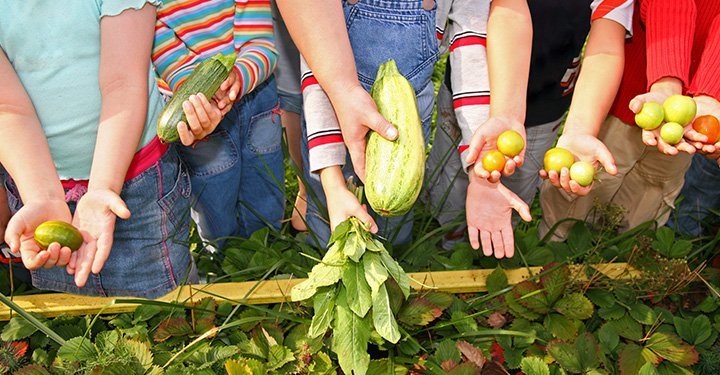
- Adequate quantity of vegetables, fruits and pulses (dal) should be included in their diet every day. In addition, there should be a mandatory consumption of fruits between lunch and dinner.
- Roti, rice, meat, eggs, chicken and bread may be included in the diet every day, but not at the cost of vegetables, fruits and dal.
- Chocolates, biscuits, chips, soft drinks, and other junk food, should be completely avoided for at least a month. Thereafter, they may be taken occasionally in restricted portions.
- Make the child drink plenty of water.
Physical activity: Parents should engage their children in physical activity and exercise. They should ensure their children are not spending too much time with gadgets, and instead, play outdoors.
Stool softeners: Under the strict medical supervision and regular follow-ups, some stool softeners and digestives may be given. However, once the diet becomes normal and balanced, these medications should be discontinued.
Foods to alleviate constipation
- Prune juice
- Whole wheat / multigrain bread
- Bran cereals in any form
- Fresh fruits: peaches, plums, pears, oranges, figs, papayas, apricots, etc.
- Fresh vegetables
- Salad - especially lettuce
Foods to completely avoid when constipated
- White bread
- Milk, ice cream, cheese and yoghurt
- Desserts
- Pastas, pizzas, burgers, patties, samosas, wafers, chips, etc.
Potty training
Potty training is a good preventive measure. Ideally, there must be a fixed time for potty in the morning. For very young children, there should also be a fixed time for potty, say 20-30 minutes after both major meals. Such training should last for at least six months until the child gets into the habit of completely emptying his bowels, and it becomes a routine, almost like a reflex action for the child.
I hope these inputs will help parents ensure their children lead healthy lifestyles - eating right and exercising well. And, let the children say with ease every morning, "pooh! I pooped."
Dr Vivek Rege is a consultant pediatric surgeon & pediatric urologist at Bhatia Hospital, Mumbai.
To know more about Causes and Cure, go through the pages of this ClipBook.






















Comments
Edit
Comment Flag
Cancel Update