
Monsoon Health Tips For Children: How To Prevent Common Rainy Season Illnesses
Divya Sainathan
Divya Sainathan is a writer and editor with a special interest in early childhood education.
Discover essential monsoon health tips for children, including food safety, mosquito prevention, hygiene practices, and rainy season precautions to help protect your family from common monsoon illnesses and infections
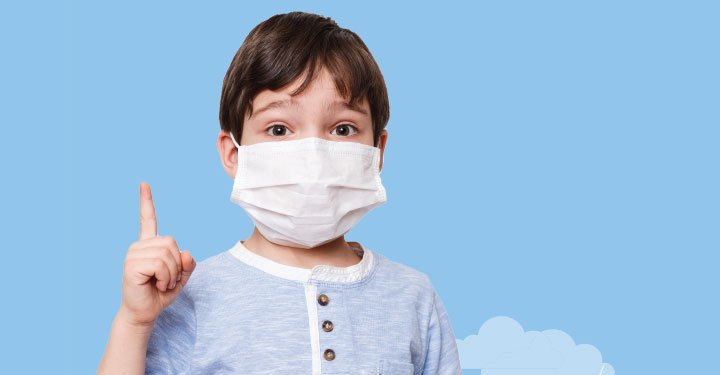
Cloudy skies, lush green foliage, earthy scent, and the chill—ah, how enchanting the monsoon season is! After setting the mood, we're sorry to puncture it with a statutory warning—the monsoon air is also brimming with microscopic infectious germs. These germs carry diseases, such as malaria, dengue, typhoid, cholera, jaundice, and the common cold and flu.
Children are particularly vulnerable to such infections during the monsoons because their immune system is still developing.
Eat and drink safely during the monsoon
The rainy season is a sensitive time for the gut. The weather conditions slow down the digestion process. The risk of contamination of food and water is also high. So, we must be extra careful about what we eat and drink.
Choose light and nourishing foods
A balanced diet supports overall health and helps children recover better from seasonal infections. Freshly cooked meals are usually easier to digest during this time.
- Opt for hygienic home-cooked meals. Steer clear of street food.
- Give your child fibre-rich food to aid digestion and bowel movement. Remember to keep the portion size light, yet filling.
- Sneak in probiotics, such as yogurt and buttermilk, and prebiotics, such as oatmeal and bananas, during snack time. This will facilitate the growth of good bacteria in the gut.
- Provide nutritious snack options such as roasted nuts, dry fruits, fruit chat, homemade chiwda or bhel puri, and boiled chickpeas (or other lentils).
- Encourage your child to eat foods rich in Vitamin C, such as berries and citrus fruits, kiwi, cabbage, broccoli, and bell peppers, which support overall immune function.
- It is best to have freshly grown, locally available seasonal fruits and vegetables.
Foods and drinks to limit during the rainy season
Certain foods are more likely to cause digestive discomfort or become contaminated during the monsoons. Make mindful food choices to reduce the risk of stomach infections.
- Ensure seafood is fresh and hygienically prepared. They are more likely to be contaminated during the monsoons.
- Avoid fried foods. They are hard to digest and can result in acidity or heartburn. Use lighter oils for cooking.
- Be cautious about raw foods prepared outside the home. Avoid pre-cut fruits and vegetables, too. Remember, cooking makes veggies safer to eat.
- Do not encourage fizzy drinks as they could make you feel gassy and bloated, and cause belching. The sugar content of aerated beverages promotes the growth of harmful bacteria in the stomach and oral cavity.
- Choose freshly squeezed homemade fruit juices or warm drinks instead. Grown-ups can switch to refreshing herbal teas such as chamomile and ginger-lemon, which can aid digestion.
Keep food and drinking water safe
During the monsoons, household pests are likely to breed in the damp. Maintaining kitchen hygiene becomes especially important during the rainy season.
A few simple precautions can help prevent food and water-borne illnesses:
- Wash your hands thoroughly while handling food.
- Wash fruits and vegetables thoroughly before use. You could even use an acidic solution, such as vinegar, to wash off impurities. Be particularly careful while washing leafy vegetables such as spinach.
- Wipe the kitchen counter and dining area clean before and after meals.
- Make sure no food particles are lying about to attract mosquitoes, flies, and cockroaches.
- Keep food in covered containers. Do not expose perishable food to moisture.
- Boil drinking water regularly and drink it warm. You can carry a flask with you when you step out.
Protect your family from mosquito-borne diseases
Monsoon showers often create ideal breeding conditions for mosquitoes. Taking preventive measures at home can significantly reduce the risk of mosquito-borne diseases.
Prevent mosquito breeding around the house
Mosquitoes breed even in small amounts of stagnant water. Regularly checking around your home eliminates breeding spots before they become a problem.
- Monitor and clean around the house where rainwater can collect, especially potted plants, troughs or dips in the yard or terrace, open containers, open drains or gutters, and discarded tyres.
- Cooperate with the municipality workers when they come to inspect your premises and spray larvicide.
- If you don't have a continuous water supply, store water in containers with tight lids. Take care to replace the lid properly after use.
- Dispose of non-biodegradable waste in sealed bags so that they don't gather rainwater and attract mosquitoes. Strictly follow the waste segregation norms.
- If you have a compost pile at home, keep it in a closed container. Do not add too much water to the scraps, and keep turning the pile regularly.
Reduce exposure to mosquito bites
Besides controlling breeding, protecting yourself from mosquito bites is equally important.
Simple measures can help keep children and adults safer:
- Consider fitting nets to doors and windows. Cover your bed with a mosquito net while sleeping.
- Encourage your child to cover themselves well. Wearing light-colored, long-sleeved clothes works best against mosquitoes.
- Use approved and tested insect repellents. If you are not comfortable applying these directly to your child's skin, you can spray or apply some to their clothing.
- Mosquito sprays and plug-in vaporizers can be used indoors to fend off mosquitoes.
Common mosquito-borne diseases during the monsoon
Mosquitoes can transmit several illnesses that are common during the rainy season. Being aware of these diseases can help parents recognize symptoms early and seek timely treatment.
- Malaria
- Dengue
- Chikungunya
- Zika
Maintain hygiene at home and outdoors
Damp weather usually encourages the growth of germs, fungi, and pests. Maintaining good personal hygiene and a clean home environment can go a long way in preventing illness.
- Air out the rooms of your home during the day. Keep doors and windows open. You could even leave the dishwasher and washing machine open to prevent a dank smell.
- Wash your hands and legs properly when you return home.
- Keep the bathroom floor clean and dry.
- If your socks or footwear are soaked due to waterlogging, remove them immediately. Keep your feet dry to prevent fungal infections.
- Do not sit in an air-conditioned room with wet hair.
Stay safe while stepping out during the rains
Rainy weather brings its own set of challenges, from viral infections to exposure to contaminated water. Taking a few precautions while outdoors can help protect the whole family.
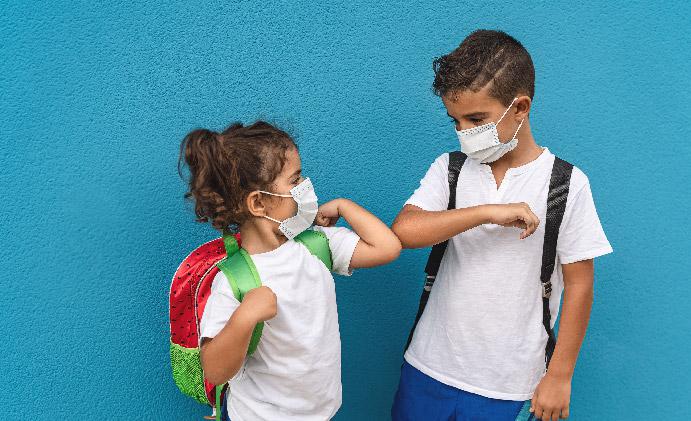
- Keep a safe distance from people with colds and coughs, and wear a mask when you step out.
- Carry a hand sanitizer while going out.
- Carry an umbrella or raincoat with you whenever you step out.
- Dress warmly in clothes that fully cover your arms and legs.
- If you get wet in the rain, wipe yourself dry and change into dry clothes as soon as you can. If possible, take a shower first.
- The irresistible urge to step into puddles or dirty water puts children at risk of developing leptospirosis, especially when they have open wounds.
Understanding Leptospirosis
Also known as Weil's syndrome, leptospirosis is a bacterial infection caused by soil contaminated with animal urine that comes in contact with the skin. Symptoms include fever, chills, body pain, nausea, diarrhea, jaundice, and rashes. Leptospirosis can be quite serious if left untreated.
Walking through dirty floodwater or puddles may expose people to bacteria that cause leptospirosis. Knowing the symptoms can help ensure prompt medical attention.
Exercise and vaccination help keep families healthy
Good health during the monsoon is not only about avoiding infections. Regular physical activity and staying up to date with vaccinations are equally important for overall well-being.
- Exercise will keep the joints in good condition and may be soothing and aid digestion. Make this a fun family activity. Skipping, dancing, lunges, squats, stretches, and yoga options are plenty!
- Vaccination is the first line of defense against major viral and bacterial diseases.
Parent checklist
- Drinking water is boiled or filtered
- Mosquito breeding spots are checked regularly
- Wet clothes and shoes are changed immediately
- Children avoid dirty puddles and stagnant water
- Seasonal fruits and freshly cooked meals are preferred
- Vaccinations are up to date
- Handwashing is practiced regularly
Healthy monsoon habits can protect the whole family
The health threats posed by monsoons are easy to beat when we take necessary precautions and make healthy choices. Many of these lifestyle decisions can extend well beyond the rains to maintain good health.
Last updated on: June 11, 2026














Comments
Edit
Comment Flag
Cancel Update