
Air Pollution: Causes, Effects, And Solutions- How It Impacts Your Child’s Health
Ashwin Dewan
Air pollution is at alarming levels these days. Learn what causes air pollution and its effects on your child's health. Also, we explore some solutions and preventive steps to keep your family safe
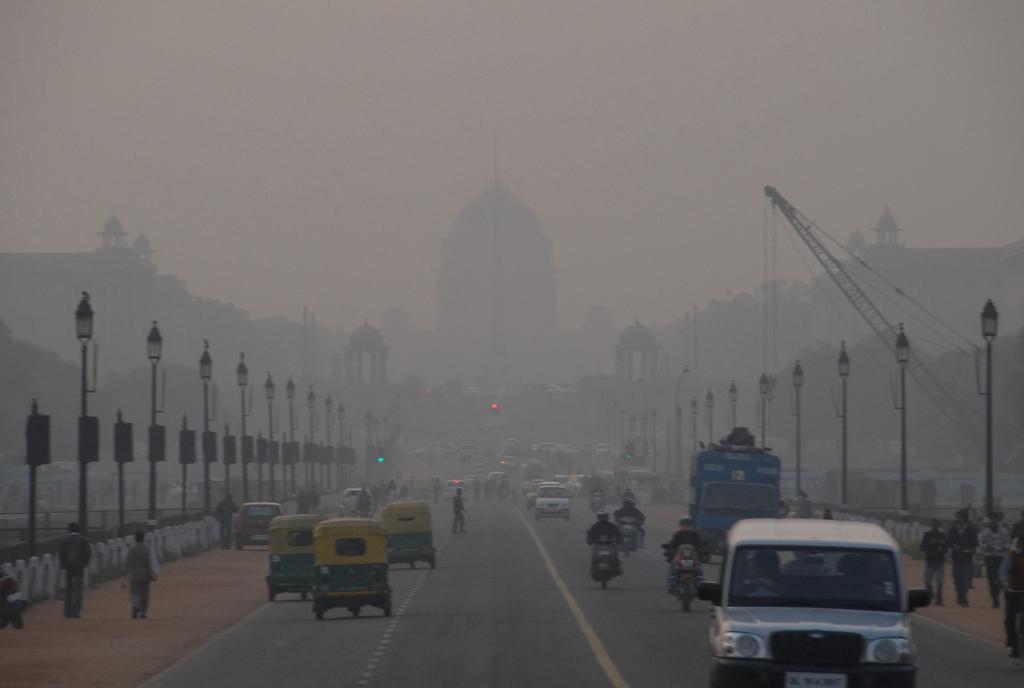
"Air pollution: Supreme Court-mandated anti-pollution authority orders closure of Delhi-NCR schools" screams the headline of a leading newspaper. The advisory also includes directions to the public to avoid outdoor exposure and work from home wherever feasible.
Yes, Delhi is in the news once again for rising air pollution levels. The air quality index (AQI) has neared 500 levels, resulting in an emergency-like situation, even as the government is working on solutions to tackle pollution levels and steps for prevention.
A couple of years ago, New Delhi, caught in the throes of severe toxic smog, was given the unenviable rank of the world's worst-polluted city by the World Health Organization (WHO). Some leading news websites even carried findings, which stated how breathing in the Indian capital in the month of November was like smoking 50 cigarettes a day.
Gopal Bharati, a resident of Safdarjung Enclave, vouches for this. A resident of Delhi for the past ten years, he has been a witness to the deteriorating air quality over the years. "The situation is really bad. My office has been closed since Tuesday, and we are forced to wear masks whenever we go out. But, even that is not of much help."
Effects of air pollution on children
Now, at a time when India, particularly the northern region, is staring at a pollution crisis, a UNICEF report has again put the focus on the hazards of air pollution. The report says there is a growing body of scientific research that shows air pollution can do permanent damage to a child's brain. The report titled "Danger in the air" explains how exposure to certain air pollutant particles can lead to oxidative stress, resulting in neurodegenerative diseases.
"Not only do pollutants harm babies' developing lungs, but they can also permanently damage their developing brains and, thus, their future," Unicef executive director Anthony Lake said.
According to a study conducted in Mexico, children were taken from both polluted areas and non-polluted areas. The study showed the presence of white matter hyperintense lesions in children living in polluted areas compared to children not living in polluted areas. Increased white matter hyperintensities are associated with a higher risk of stroke and dementia, as well as high mortality.
"Pollution affects the development of children due to the presence of toxins. Children's brains are still developing, making them vulnerable to the negative effects of air pollution," says Dr Jamuna.
The prefrontal cortex, responsible for many of the cognitive functions like attention, planning, and decision-making, is the last to develop in children and adolescents. The posterior part of the brain develops earlier than the anterior part of the brain.
Dr Jamuna also suggests parents should try to keep their children away from air pollution. She further suggests that a child who has developed health problems from living in a polluted area, when shifted to a non-polluted area, might show health improvement.
What causes air pollution?
- Exhaust gases from vehicles: Every day, there are millions of vehicles running on the roads that emit exhaust gases. These only add to the air pollution and reduce the quality of the air significantly.
- Gases from industries: Large manufacturing industries are responsible for indiscriminately releasing large amounts of carbon monoxide, hydrocarbons, organic compounds, and chemicals into the air, which depletes the quality of the air considerably.
- Burning of plastic: Burning plastic and other wastes releases dangerous substances such as heavy metals and other toxins into the air and ash waste residues.
- Agricultural activities: Over time, the use of insecticides, pesticides, and fertilizers in agricultural activities has grown quite a lot. All these emit harmful chemicals into the air.
- Indoor air pollution: Believe it or not, household cleaning products and painting supplies also emit harmful chemicals into the air and cause air pollution.
Types of air pollution
Air pollution can be caused by various pollutants. The most harmful of these include:
- Particulate matter: Made up of a mixture of all solid and liquid particles suspended in air, particulate matter consists of dust, soot, smoke, pollen, and other hazardous particles. Particles that are less than 2.5 microns in diameter can be the most harmful to human health.
- Sulphur dioxide (SO2): A bad-smelling toxic gas, sulphur dioxide is emitted on combustion of fuels such as coal, oil, and diesel from industrial facilities, thermal power plants, heavy equipment, and motor vehicles. Based on the latest Greenpeace report, India is the largest emitter of sulphur dioxide in the world.
- Nitrogen dioxide (NO2): It is a gaseous air pollutant emitted on combustion of fossil fuels. It is mainly contributed to by fumes from diesel engines operated in power plants and automobile emissions. Exposure to nitrogen dioxide can trigger asthma symptoms and cause inflammation of the airways.
- Ozone: Ozone is a gas mainly known to absorb harmful ultraviolet rays from the sun in the upper level of the Earth's atmosphere. However, nearer to the ground, it contributes to air pollution and can cause breathing difficulty in healthy people.
Harmful effects of air pollution
- Respiratory and heart problems: Air pollution is known to cause several respiratory and heart problems. Children who reside in areas where there is a high level of air pollution are known to suffer from pneumonia and asthma.
- Acid rain: During the burning of fossil fuels, many harmful gases like nitrogen oxides and sulphur oxides are released into the atmosphere. When it rains, the water droplets combine with these gases, become acidic, and fall in the form of acid rain.
- Depletion of the ozone layer: The ozone layer exists in the Earth's stratosphere and is primarily responsible for protecting humans from harmful ultraviolet (UV) rays. The ozone is rapidly depleting due to the presence of chlorofluorocarbons and hydrochlorofluorocarbons in the atmosphere.
- Impact on wildlife: Animals can also face the negative impact of air pollution. Toxic chemicals present in the air force wildlife species to move to new places and change their natural habitat.
Air pollution level/Air quality index (AQI)
For reporting the daily air quality, agencies rely on the Air Quality Index (AQI), which tells how clean or polluted the air is and the associated health effects. It primarily focuses on the health hazards of inhaling polluted air over a period, ranging from a few hours to a couple of days. The higher the AQI value, the greater the level of air pollution and health concern.
For instance, an AQI value of 50 represents good air quality, while an AQI value over 300 represents hazardous air quality.
Understand the air quality levels
AQI level 0-50 Air pollution level - Good
What it means: Air quality is excellent, no health implications.
AQI level 51-100 Air pollution level - Moderate
What it means: Air quality is acceptable. However, people sensitive to air pollution should reduce outdoor activities.
AQI level 101-150 Air pollution level - Unhealthy for sensitive groups
What it means: Individuals with breathing or heart problems should reduce outdoor exercise.
AQI level 151-200 Air pollution level - Unhealthy
What it means: Everyone may experience health problems.
AQI level 201-300 Air pollution level - Severe
What it means: People may start experiencing serious health effects.
AQI level 301-500 Air pollution level - Hazardous
What it means: Alarming emergency conditions. The entire population will be affected.
Each country has devised a particular method of controlling air pollution.
Do's and don'ts for parents:
Air pollution is a serious issue that needs to be addressed by both the government and the public. Here are a few tips for parents to fight this menace and keep their children safe:
1) No outdoor activities during the early morning
We have all been brought up believing that early morning is the best time to indulge in outdoor activities because the air is 'supposed' to be pure during this time. However, this is not the case. Air quality might be equally bad as at any other time of the day. You should check the air quality index before you let your children go out in the early morning.
2) Use air purifiers
Using air purifiers is one way to combat air pollution. More households today are using air purifiers to clean pollutants inside the house. Good quality air purifiers are effective in purifying the air, removing dust, smoke, allergens, and pollens.
3) Use pollution masks
With the alarming rise in pollution levels, the sale of pollution masks in Delhi has increased considerably. Pollution masks help to filter pollution and ensure your child can breathe in clean and pure air. Medical experts have advised N95 and N99 pollution masks to be the most effective. If you are unable to purchase one, use a cloth to cover up your face.
4) Avoid using cars and bikes
Fuel emission is a major reason for air pollution. So, if you have to go to a place that is not far, take a walk or ride a bicycle. For long distances, you could always use a public mode of transport like the bus or the metro.
5) Avoid smoking
There could not be a better time to quit smoking. The residual gas and particles emitted from cigarette smoking pose many health hazards. It can lead to chronic heart and lung problems for active and passive smokers.
6) Eat a healthy diet
A diet rich in nutrients can also play a major role in combating air pollution. Add jaggery and honey to your diet to boost your immune system, which helps to flush out air pollutants that might enter through the mouth and nose.
7) Keep indoor plants
Improve the quality of air indoors by keeping a variety of indoor plants. Try to keep plants like aloe vera, spider plant, snake plant, bamboo palm, etc.
In case you think air pollution is extremely high in the area you live in, you can restrict the time your child spends outdoors. If your child complains of sore eyes, a cough, or a sore throat, immediately prevent her from playing outdoors and connect with a doctor, if required.
About the expert:
Reviewed by Dr Jamuna Rajeswaran on 9 November 2017
Dr Jamuna Rajeswaran is a Professor at the Dept. of Clinical Psychology, NIMHANS. She heads the Clinical Neuropsychology and Cognitive Neuroscience Centre.
January 5, 2026






















Comments
Edit
Comment Flag
Cancel Update