author parentcircle author parentcircle author parentcircle author parentcircle author parentcircle author parentcircle
Schizophrenia is a psychiatric disorder that causes disturbances in thinking, behaviour and emotions. How does it affect children? Read on to find out.

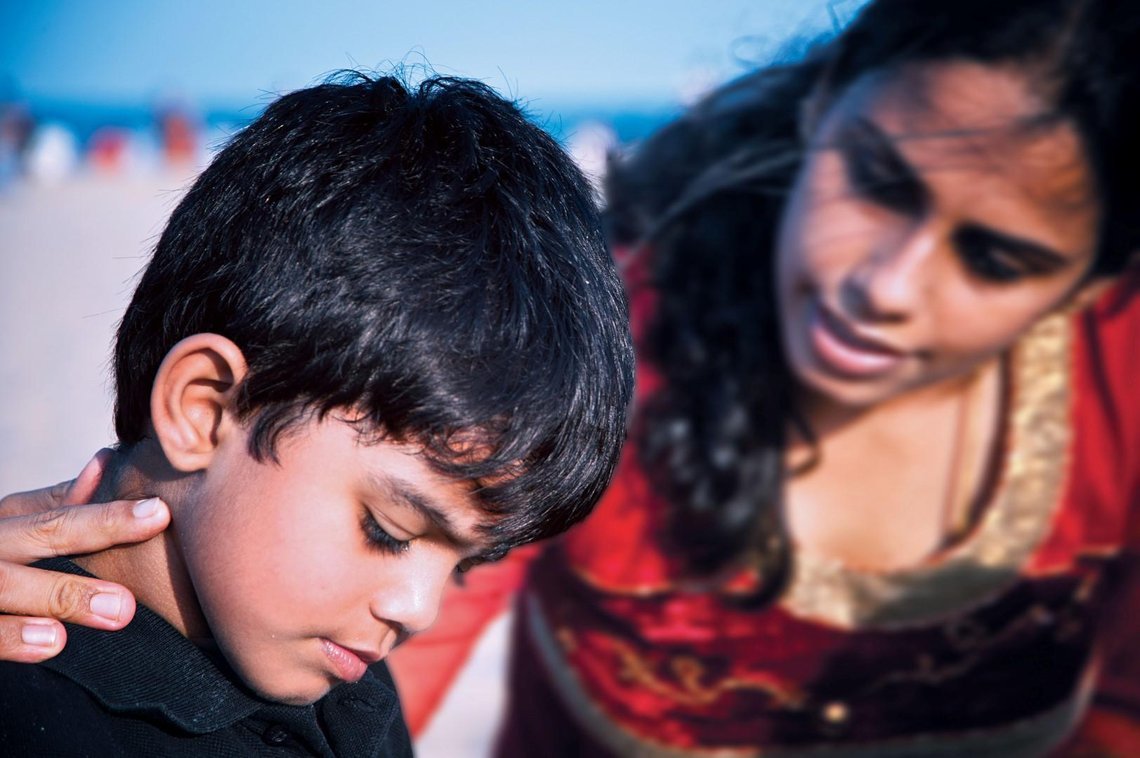
Seven-year-old Jiten Rawat appears like a regular school-going child. But his parents have been worried about him. It all started a few months ago, when Jiten's parents noticed him behaving oddly. He withdrew into a shell and interacted less with his family members. He refused to eat or take bath, and sat in a corner all by himself. When Jiten started talking to walls, his mother took him to a psychiatrist. After a series of tests, Jiten was diagnosed with schizophrenia.
Schizophrenia is a severe mental disorder in which the patient has a distorted view of reality. The disorder is rare in children, but when it occurs, the symptoms can be quite disabling. Early onset schizophrenia (childhood schizophrenia) usually occurs in children below the age of 12 years.
In recent times, the number of schizophrenia cases among children has increased (normally, one child in every 10,000 gets affected by the condition, according to The United States National Library of Medicine, National Institutes of Health database). This may be due to the fact that there is more awareness about schizophrenia now, which has led to more cases being reported. Often, schizophrenia patients require life-long treatment. In most cases, early detection and treatment may help keep the symptoms under control.
Early symptoms of schizophrenia in children cannot be easily identified and parents may often assume that the changes in behaviour are a part of growing up. As the illness progresses, the symptoms become more pronounced.
Some symptoms of childhood schizophrenia:
However, all these symptoms should be manifest either continuously or intermittently, for a period of at least six months to call it schizophrenia.
Do you know that your child's mental health is equally important for his overall well-being? Don't ignore signs of mental illness in your child.
Treatment involves the use of antipsychotic medications. The usage depends on the condition of the child. Although the condition can be stabilised with the use of medicines, it needs to be continued for life.
In rare cases, electro-convulsive therapy is indicated, if the patient is violent or has suicidal thoughts. Parents must provide a lot of psycho-social support to the child. Support groups can also help.
Schizophrenia is a lifelong illness and can be distressing for both the child and the parents. However, with the availability of treatment facilities and the support of relatives, the patient can lead a near-normal life.
The author is Consultant - Psychiatry, Bengaluru.
Looking for expert tips and interesting articles on parenting? Subscribe now to our magazine. Connect with us on Facebook | Twitter | Instagram | YouTube
Comments
Edit
Comment Flag
Cancel Update