
These Are The 5 Things Every Teacher Wants Parents to Know. Are You Listening?
Arun Sharma
Since time immemorial, teachers have made invaluable contributions towards nation-building by educating children. It's time we understood what teachers expect from us to help them do their duty well
"GururBrahma GururVishnu GururDevo Maheshwaraha
Guru Saakshaat ParaBrahma Tasmai Sri Gurave Namaha" - Guru Stotram
"A load of books does not equal one good teacher." - Chinese proverb
Both the Guru Stotram and the Chinese proverb extol the virtues of a teacher and help us understand the vital role a teacher plays in moulding a child into an asset for the society. However, changing times and values are gradually driving a wedge between parents and teachers, and the child. As a result, unfortunately, very few parents are willing to acknowledge the fact that teachers need their support to perform their duty to perfection. It would help if parents understood teachers' expectations from them.
Read on to understand what teachers, in general, expect from parents.
1."Trust and respect us": Even with a teacher trying her best, a child may face certain setbacks or difficulties. For example, they may perform badly in a subject (sometimes more than one) or get into trouble with their peers. Teachers would like parents to remember the fact that no teacher ever wants a pupil to do badly or face problems. Parental actions like blaming the teacher or getting into an argument with her not only undermine the teacher's authority, but also creates a chasm in the relationship between the teacher, and the parent and child. So, trust the fact that a teacher would do everything within her power to set a child on the path to a bright future. Express your respect by accepting even critical feedback in the right spirit and offering to work with the teacher to set things right.
2."Be involved and responsible": Entrusting the responsibility of your child's education to a teacher doesn't mean that you can absolve yourself of the onus of your child's academic performance. For, parental involvement and a child's academic performance are interlinked. So, make it a point to sit with your child while they are doing their homework, check their notes and diary every day, urge them to read more, and encourage them to communicate with you. Show your responsible side by allaying any fears your child may harbour regarding academics or school, attending to signs of troublesome behaviour, and not packing them off to school when they feel unwell.
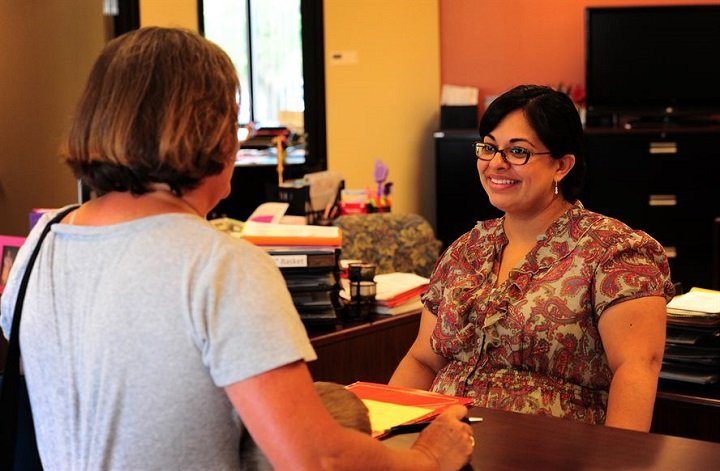
3."Communicate with us": Adverse feedback or the child getting into some trouble shouldn't be the only reason for parents to show up at school. Teachers are more than happy to spare a few minutes to update parents about their child's progress and sort out any issues that may have arisen. You can open communication channels with teachers by attending parent-teacher meetings, and maintaining contact through phone calls or by exchanging messages through the pupil's diary. Not only does it help the child do well but also cements the parent-teacher-child bond.
"The communication between a parent and a teacher most often ends up in an argument because the teacher has something to say and the parent has something to defend. But it could be benefitting if both have the child as the crux of the matter. It is the issue that is of concern and not the child." - Ruth Anand, educationist, Chennai
4."Don't compare but extend support": Categorising and comparing to determine how we fare against others is irresistible to human nature. While comparing comes naturally to us, numerous scientific studies have revealed that comparing children with others affects them in many adverse ways. So, have reasonable expectations from your child. And, when they falter or stumble in their attempts, instead of comparing them with others to make a point, extend your support and encouragement. Guide your child in discovering their passions and motivating them to achieve them. This would reflect on their academic performance as well.
5."We are parents too": Parents worry about their children when they send them off to school. However, they fail to take note of the fact that, along with being an educator, most teachers are parents as well. As a result, teachers can visualise both a student and a child in those they teach. Not only does this help teachers understand a child's personality, just as parents do, but also guide them toward making the best use of their potential.
We hope that reading this article would have helped you understand what every teacher desires from parents. And, now that you understand your child's teachers a little better, it would pave the way for a more fruitful parent-teacher relationship and a happier child.






























Comments
Edit
Comment Flag
Cancel Update