
Is Your Child's Skin Itchy And Red At Times? It Might Be A Case Of Skin Allergy
Deepthi Balasunder
Does your child suffer from skin rashes or patches? Skin allergies in babies and children are quite common. Here is what you need to know
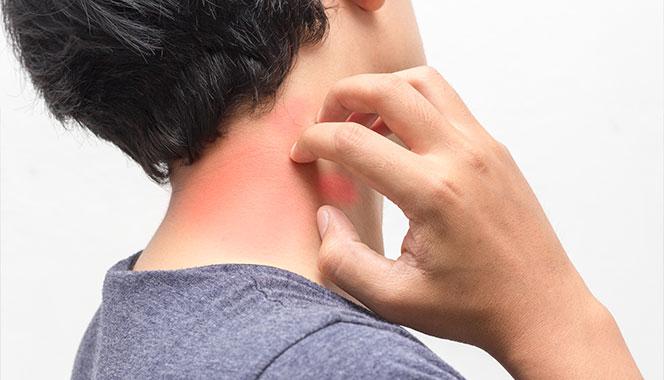
Skin allergies in babies and kids are a common occurrence. A skin allergy occurs when a child comes into contact with certain substances or consumes a food item to which they are allergic. The child's body automatically reacts to the substance, and rashes or hives appear on their skin. This happens because the allergen that the child is exposed to triggers an immune system response, leading to allergic reactions. Little bumps on the skin, redness, rashes, itching, and swelling are common symptoms of most skin allergies. These can be irritating and painful for your child.
So, to find out more about skin allergies, rashes, and other skin diseases in children, ParentCircle reached out to Dr Rashmi Shetty, a dermatologist in Mumbai, who sheds some light on this topic. Let's hear what she has to say in this exclusive interview:
Q. Do skin allergies in babies begin at birth?
A. Skin allergies, in children, can start at any point of time in their lives. It is possible that a child may not have experienced a skin allergy for the first three years of their life, and then suddenly, one day, they can develop an allergy to something. For some children, it may start when they are a couple of months old. It differs from child to child.
Q. What are the common skin allergies that affect kids?
A. Some of the common skin allergies that I come across include allergic reactions to a plant called parthenium and to food substances such as milk and dairy products, nuts, and tomatoes. Peanut allergy is a common condition that triggers allergic skin reactions. Another common allergy is insect bite allergy, mosquitoes in particular.
Q. How to prevent skin rashes and allergies in children?
A. As parents, what you can do is avoid exposing your kids to those items. For instance, if your child is allergic to mosquito bites, ensure you use mosquito repellents or nets to protect your child. You can prevent bites, but not the allergy. In the case of milk allergy, ensure your child does not drink milk or eat dairy products such as cheese, yogurt, and butter.
Q. How would a parent know what their child is allergic to?
A. Today, there are blood tests available to determine if your child is allergic to any substance. It is a simple test, and all you have to do is give your child's blood sample (if you suspect an allergy), and the lab will analyze it and tell you what your child could be allergic to. Any child of any age can take this allergy test. However, a newborn infant may not have allergies. It takes time for an allergy to develop in a child. For instance, the first time your baby nibbles on cheese, it may not trigger an allergic reaction, but it may occur later in life. It takes time.
Q. Can you share some tips to treat skin allergies in children?
A. If your child has a skin allergy, first find out the root cause. For this, you can maintain a food diary and note down when the allergy occurs and what your child has eaten around that time. This makes it easy for your doctor to track and ascertain the cause of allergies. Sometimes children have skin allergies from swimming in a public pool or exposure to bird poop when playing outside. So, if you suspect an allergy, maintain a diary that tracks your child's lifestyle and habits as well. You can then see your doctor and discuss your observations. Follow his instructions and carry out the tests that he advises. Skin allergies can only be treated medically and can be prevented by avoiding the allergic substance.
Q. Can allergies be treated, or are they lifelong conditions?
A. There are chances of skin allergies reducing with time or fully going away, with the help of medical treatment. Your doctor may initiate a desensitization treatment process wherein he introduces your child to the allergens on purpose, little by little. This will help your child become desensitized to it over a period. Do note that no treatment can be done at home. Medical intervention is a must.
Q. How long do allergies last?
A. No doctor can positively address this question, as it varies from child to child and is based on several factors. Get your doctor's advice based on your child's individual condition.
Last updated on: January 2, 2026
























Comments
Edit
Comment Flag
Cancel Update