
The Impact Of Climate Change On Children With Asthma: The Growing Risks And Challenges
Divya Sainathan
Divya Sainathan is a writer and editor with a special interest in early childhood education.
According to WHO, asthma is the most common chronic disease that affects children. Are the rapid global changes in climate making the situation worse for children with asthma? Take a look
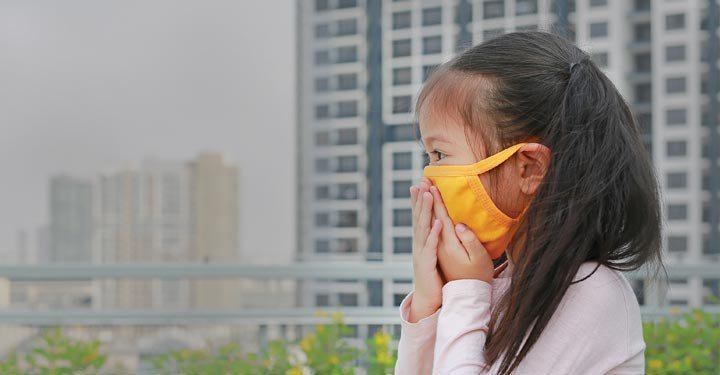
Asthma has no cure, but it can be treated. Children suffering from asthma can lead a normal life by avoiding the triggers, being aware of their symptoms, and keeping medicines handy. However, research indicates that heat, rainfall, and air quality can come together in devastating ways to trigger and aggravate asthma. Parents are deeply concerned about the deteriorating quality of air. The bushfires in Australia set off alarm bells and even led the National Asthma Council of Australia to come up with a special advisory for asthma patients. So the million-dollar question is, 'Does asthma worsen due to climate change, and what is the level of preparedness required to tackle asthma in today's world?'
But first, a quick overview of asthma.
Understanding asthma
Asthma is a chronic disease that affects the airways (tubes that carry air in and out of the lungs), thus causing breathing problems. If your child has asthma, exposure to certain triggers can cause problems such as tightening of muscles around the airways, swelling of the airway lining, and release of mucus. This can sharply reduce airflow into your child's lungs, making it difficult for them to breathe. Asthma has no cure, but it can be treated. Children suffering from asthma can lead a normal life by avoiding the triggers, being aware of their symptoms, and keeping medicines handy.
Some common risk factors for asthma include:
- A family history of asthma or allergies
- Environmental factors such as pollution, cold weather, or dispersed pollen

Climate change and asthma
Climate change refers to long-term disruptions in weather patterns around the world, mostly as a result of fossil fuel emissions. Due to climate change, the world has been witnessing devastating storms, floods, droughts, heat waves, cold waves, and wildfires at regular intervals. This has far-reaching consequences on our health and well-being.
Climate change has turned our surroundings into a minefield of pollutants, allergens and irritants. A recent report from AirVisual, an international air pollution app, has found that 21 of the world's 30 cities with the worst air pollution are in India.
Here are some ways in which changing weather patterns dramatically increase the risk of asthma:
Longer, more potent allergy season
Increased carbon dioxide and nitrogen compounds in the air extend the growing season of plants, making them flower sooner, thus increasing the pollen count and allergen content. Due to changing weather patterns, some plant species have spread outside their native territory, exposing more people to asthma triggers. Extreme events such as thunderstorms also release enormous amounts of pollen and spores into the air. Thunderstorm asthma has become a common phenomenon in many places around the world.
Precipitation and the growth of mold
Heavy flooding, intense rainfall, and high humidity result in warm and damp conditions conducive to the growth of mold and cockroaches.
Weather changes
Intense, frequent heatwaves, wildfires, and colder and drier winters irritate the respiratory tract. Heat and sunlight can produce ozone from ground-level pollutants, which can be a strong trigger for asthma.
Air quality
The air we breathe is one of the first casualties of climate change. Burning of fossil fuels and raging wildfires release harmful gases and particulate matter (PM), which are powerful lung irritants and asthma triggers.
Asthma and children
Both asthma and climate change are particularly dangerous for children because their immune systems and lungs are not fully developed. The rapid breathing draws in more pollutants. Thus, parents and caregivers must be aware of the signs of asthma, keep a watchful eye on their children, and take protective measures.
Signs to watch out for:
- Whistling or wheezing sound while exhaling
- Taking short, rapid breaths, like we sometimes do after exercising
- Persistent cough that could worsen due to exercise or viral infections, and may break out at night
- Tightness of the chest, causing a child to complain that their chest or stomach hurts or feels funny
- Tiredness, slowdown in activity, refusal to join in play
- Sleep disturbances due to breathlessness or coughing
- Grunting noises made by infants while feeding or eating
An asthma attack occurs when there is a flare-up of symptoms. In such a situation, make your child sit upright, encourage them to take slow and regular breaths, and use an inhaler as per their doctor's instructions.
Diagnosis
Many children don't show any symptoms till their first attack. It is hard to differentiate symptoms of the common cold from those of asthma, particularly in young children. An asthma diagnosis can be confirmed only after regular check-ups and by administering a breathing test called the spirometry lung function test when the child is older.
Living with asthma through changing climate
Asthma has no cure, but it can be managed with a combination of preventive care and medication. However, the danger posed by climate change demands increased preparedness. Here's what you can do:
Minimise triggers
While your child can't avoid all triggers, some measures can be taken to minimize airborne triggers:
- To reduce allergens, clean bed linen, carpets, and upholstery, and wash pets regularly.
- Keep food covered to prevent cockroach infestation.
- Keep pipes and plumbing in good condition and fix leakages to avoid mold build-up.
- Use mildly scented, safe cleaning products at home.
- Do not expose children to cigarette smoke.
- Make sure your child avoids areas where there is heavy air pollution.
- Look up pollution levels, storm forecast, pollen count, temperature, humidity, ozone, and carbon dioxide levels. You can do so by checking out several apps and websites that post real-time air quality index (AQI). This is a must for tackling the risks posed by climate change. Keep your child indoors if the weather conditions are not favorable.
Take medicines regularly
Make sure your child does not skip their medicines and gets regular flu shots.
Keep a diary
Track your child's symptoms, triggers, and flare-ups by noting down when and where your child usually has episodes.
Prepare an action plan
Prepare a detailed emergency response guide in consultation with your child's doctor and share it with your child's caregivers (at school, in daycare, and at home). It can include details such as:
- A list of specific triggers for your child
- Usual symptoms and patterns
- Instructions regarding medication
- Emergency contact details
Climate change is multiplying the several threats and triggers of asthma. But don't let these hold your child back. With a well-formulated care plan, your child can avoid sick days and emergencies. As soon as your child is developmentally ready, teach them to self-manage their asthma and take control of their well-being. Children with asthma can live full, active, and rewarding lives.
This article was reviewed by Dr. Atish Laddad, a pediatrician and founder and director of Docterz, Mumbai.



























Comments
Edit
Comment Flag
Cancel Update