
Keeping Children Healthy In Winter: Illnesses, Immunity Tips, And Seasonal Foods
Shiny Lizia M
Winter can be enjoyable for children, but it also brings seasonal illnesses. Learn about common winter infections, simple immunity-boosting habits, and foods that help keep your child healthy during the cold months
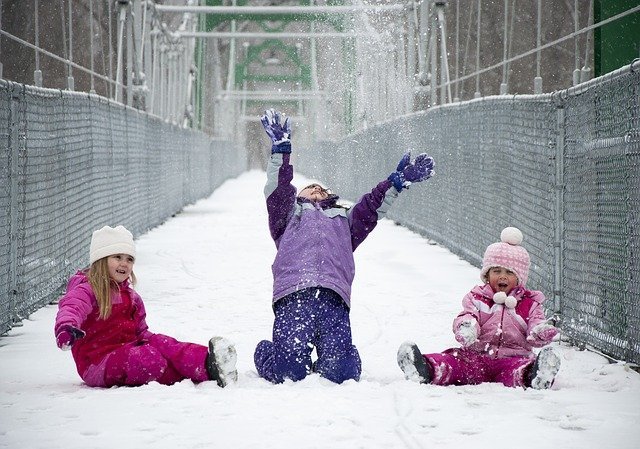
Winter is a favorite season for kids - the cold weather, the long sleeping hours, endless cups of hot beverages - the list goes on. With a drop in temperatures and weakening sun rays, your child may face difficulties adapting to the environmental transition.
Why winter affects children's health more easily
A stronger defence mechanism for your child is vital during this period. Their immune system has to be in high alert mode to combat various illnesses, such as colds, sore throats, ear infections, and the flu. An immunocompromised child is vulnerable to falling ill in this cold season.
Why winter affects children's immunity
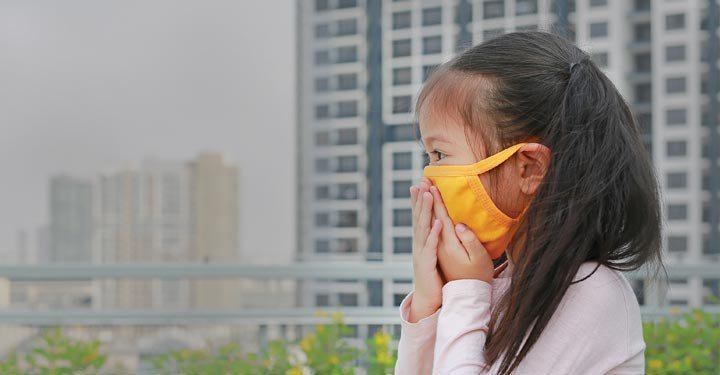
The cold weather results in reduced blood supply in the body. This reduction in blood flow means there are fewer white blood cells (WBCs)) available to fight against foreign bodies. Understand that colds and flu are not caused by cold weather; rather, they are caused by viral infections of the upper respiratory tract that your child catches from pollutants or contaminants.
Common winter illnesses in children
Common cold
Is caused by a virus that infects the nose, sinuses, throat, and airways. They're often spread through contact with mucus. When your child catches a cold, it is the immune system that causes symptoms such as a runny nose, ear congestion, and fever as a result of changes in their internal body conditions to favor white blood cells fighting against the viruses effectively.
Influenza or flu
It's like a common cold but much more serious. Children are two to three times more likely to be affected by flu than adults. It is caused by a virus that infects the lungs and airways and can be spread through direct contact or airborne droplets from an infected person's cough or sneeze.
Sore throat
This is caused by viruses and is transmitted similarly to colds and flu.
Bronchitis
This is most commonly seen in kids under 5. Airway inflammation can be triggered by viruses, bacteria, or allergic reactions.
Asthma
This is an inflammation of the bronchioles that occurs when a trigger or allergen causes the airways to tighten. Cold air is a particular trigger of asthma attacks. Encouraging your child to breathe through their nose instead of their mouth helps to maintain the air exchange balance.
Allergies
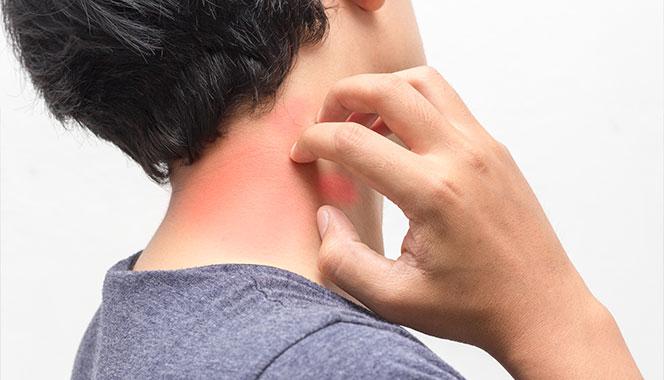
Allergies get triggered by viral or fungal infections during winter. Allergies manifest as rashes, fever, asthma, and anaphylaxis.
How parents can protect children during the winter season
1. Maintain hygiene and sanitisation
- As your child's immunity battles against illnesses, it is safer to keep their surroundings and belongings sanitized.
- Since children are often indoors during the cold season, keep the home clean and sanitized, especially during and after unseasonal winter rain, as the moisture calls in fungal attacks.
- Keep belongings such as school bags, toys, clothes, and socks clean and dry. Wash toys with soap and water and allow them to air dry.
- Remind your child not to touch surfaces and things outdoors. When she touches an infected surface or thing and accidentally rubs her eyes or nose, that's when the infection attacks her.
- Ensure they carry a bottle of sanitizer in their bag always to apply after using the toilets and before eating.
- Washing hands and legs after coming from outside is a must.
- They must wear clean, sanitized clothes and socks.
- If anyone at home catches a flu or cold, keep your child away from using the infected person's pillows and towels.
2. Ensure enough sleep and rest
- Sleep has a great impact on how our immune system functions.
- Robust changes during the regular sleep-wake cycle not only affect the physical and mental activity of your child but also impact the cardiovascular function, temperature regulation, and immune parameters like leukocyte and cytokine production.
- Improper sleep habits result in a pro-inflammatory state.
- Sleep deprivation can weaken the immune system, making your child vulnerable to germs and bacteria. Give them an early dinner and ensure they do not use gadgets at bedtime.
3. Ensure a nutritious and balanced diet
Eating a well-balanced, nutritious diet is a key component to improving your child's health during this season. Your child's immunity is influenced by the food they eat.
- Including more immunity-boosting foods, such as antioxidant-rich fruits and vegetables, spices, and herbs in their diet will keep them safe from illnesses.
- Skipping meals should never be encouraged, especially breakfast. When they skip breakfast, the body is deprived of nutrients and hence more vulnerable to catching infections as they start the day.
- Showing them the importance of nutrition in preventing illnesses and involving them in menu planning will help you strike a chord and impart a balanced diet to your child.
4. Keep children well hydrated
- Fluids play a major role during this cold season. While we all feel thirsty and drink gallons of water during summer, it is as important to drink more fluids during winter too.
- Hydration is an important factor for winter wellness, even if your child doesn't feel thirsty. As the body's core temperature rises due to a drop in temperature, winter dehydration can occur when your child does not drink enough water.
- Winter dehydration can make them sick, cause exhaustion, muscle fatigue, and cramps. When dehydrated, they are susceptible to winter colds and flu.
Steps to improve water intake in winter
- Make your child drink hot/lukewarm water, which is also safe from microbes. You can flavor the drinking water with lemon or orange wedges.
- Prepare more soups, green teas, and other herbal decoctions (tulsi, sage) at home, which are diuretic (frequent urination) in nature, to prevent urinary infections.
- In winter, thirst is quenched with smaller amounts of water than in summer. Encourage your child to take small sips of water very often. Drinking a glass or two at one go may be quite difficult, but taking small sips every 15 minutes is easy
5. Limit exposure to infections
- As most infections during this season are air-borne, restrict visits to air-conditioned places like malls, theatres, and restaurants.
- Though staying indoors sounds like a safer and easier option, research suggests that it is an unhealthy option.
- Staying indoors will deprive your child of exposure to sunlight, which will lower their Vitamin D level. Vitamin D deficiency has been proven to lower immunity in children.
- Another reason why staying indoors is not ideal is that it cuts down physical activity. Staying indoors in this climate will tempt your child to curl up in her bed and stay cosy. Lack of physical activity lowers immunity. Hence, allow them to play outdoors or engage in brisk physical activity to improve their immunity and stay healthy.
6. Dress children appropriately for the cold
- Shivering depresses your child's immune system. Cover your child in layers of clothing to keep them warm. Staying warm and covered prevents illnesses.
- Remove wet clothing and socks immediately.
- Keep their ears covered when you go out to prevent ear infections.
Winter foods that support children’s immunity
During the winter months, it's important to ensure that everyone in the family continues to eat healthfully. Children may be less active in the colder months, which requires focus on adequate nutrition. It is hypothesized that children could experience Seasonal Affective Disorder, which is a type of depression with a seasonal pattern. Changes in mood, energy, focus, appetite, and sleep are some common signs. The following foods will help your kids stay healthy this winter.
Seasonal fruits and vegetables
- Colorful fruits and vegetables, such as leafy greens, avocados, beets, and berries, are rich in antioxidants, which support your child's immune system and improve her natural defense system to fight against illnesses during this season.
- Citrus fruits and green leafy vegetables are especially rich in vitamin C, which builds immunity. An Amla a day during this season could do wonders. Let fruits and vegetables make up at least half of your child's plate at meals.
Fish and seafood
- Apart from its rich protein content and brain-boosting effects, fish contains anti-asthmatic properties.
- Certain types of fish, such as salmon, anchovies, mackerel, tuna, pomfret, catfish, sardines, pink perch, and seer fish, are rich in immune-boosting and inflammation-fighting omega-3 fatty acids, which reduce C-reactive protein (CRP) and interleukin-6, two inflammatory proteins in the body.
Herbs and spices
Herbs and spices are packed with immune-boosting properties that fight illnesses.
- Seasoning your child's meals with fresh herbs and spices adds a flavorful and antioxidant-rich punch to their diet.
- Herbs such as coriander, curry leaves, sage, tulsi, and ginger, and capsicum (bell pepper), cinnamon, cloves, turmeric, and garlic have been extensively studied for their antibacterial and anti-inflammatory properties.
- Include these in your child's daily diet in recipes such as soups, stews, teas, and other dishes to ward off viral and bacterial infections.
Probiotics
- 'Probiotics' are friendly microorganisms that improve gut health.
- A child whose gut health is compromised becomes susceptible to diarrheal and respiratory infections.
- Probiotic-rich foods such as fermented dairy products (curd, yoghurt, lassi, buttermilk, paneer), fermented vegetables, lead to the development of healthy immunologic and digestive functions in your child.
5. Why overeating can lower immunity
- Both adults and children tend to overeat during the winter. It is a proven fact that high-calorie, high-fat diets can hurt the immune system.
- Not more than 30 percent of your child's calories are recommended to come from fat every day.
- Hence, mindful eating techniques and a structured physical activity regimen help maintain your child's energy balance and improve immunity.
What parents can do every day to keep children healthy in winter
Enjoy this winter with your family, keeping in mind the tips discussed above, and have a healthy, safe, and happy winter vacation. Happy Parenting!
Winter care checklist for parents
Wash hands frequently and keep toys, bags, and surfaces clean
Dress children in warm layers and change wet clothes immediately
Encourage regular outdoor play and sunlight exposure
Ensure children drink enough fluids, even when they don’t feel thirsty
Serve warm, nutritious meals with fruits, vegetables, and spices
Make sure children get enough sleep and rest every day
Avoid crowded or poorly ventilated indoor spaces when possible
Watch for early signs of illness and act promptly
Last updated on: January 09, 2026





























Comments
Edit
Comment Flag
Cancel Update