
Physical Activity And Teen Confidence: How Sports Help Teens Overcome Insecurities
Midhun GS
ParentCircle Author..................................
Can physical activity help your teenager feel more confident? A sportsman shares how finding an activity he enjoyed helped him move beyond insecurities, connect with others, and focus on his strengths, and what parents can learn from his experience
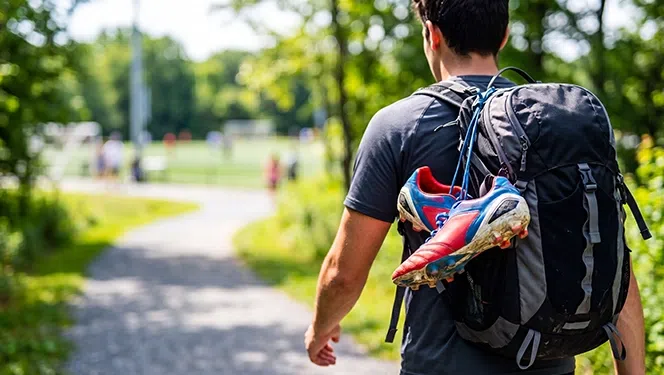
Nowadays, when meditation, therapy, and other ways of taking care of our mental well-being are becoming quite common, my teen years were a bit different. Like many teenagers, I had insecurities that held me back from meeting new people, starting conversations, and accepting certain things about myself.
But physical activity helped me.
By staying active, I met people, worked towards something, and discovered what I was capable of. In my journey to become a better player, I slowly learned to step out of my comfort zone, talk about things I found difficult, face my insecurities, and grow more confident. I became less afraid of others' judgments and less afraid of who I am.
It did not happen overnight.
It happened only because I showed up regularly on the playground.
When sport pushed me out of my comfort zone
During school and college, even as an introvert, I was comfortable with people I knew: classmates, friends, or people I had seen on campus.
But that comfort disappeared when I got an opportunity to represent Tamil Nadu in the Kho-Kho university zonal tournaments.
Suddenly, I was around people I had never met before. New teammates, coaches, and other people connected to the team. That was difficult. Even on my way to the playground, I would think about it: "I have to talk to them today. What should I say?"
| Yet I could not skip practice just because I felt uncomfortable. I kept showing up at the playground, and that routine slowly changed things for me. |
I realized I was not the only one feeling awkward
After spending several days with my new teammates, I noticed something. They were also trying to figure each other out, not necessarily avoiding me and just as hesitant to start a conversation with someone new.
| That changed how I looked at the situation. I realized people were not sitting there waiting to judge me. |
Playing together gave us a reason to speak. We could not play as a team without communicating during practice and matches. We had to understand each other and make decisions together.
The wall slowly came down.
Our first conversations were about the game. Then they became conversations about school, movies, songs, and everyday life. Over time, we started talking about our personal lives and challenges. Eventually we became friends.
And somewhere along the way, I realized I was becoming more comfortable talking to people.
When my focus shifted from insecurity to improvement
There was one phase of my teenage years when I struggled with how I looked and sounded.
My voice was quite squeaky, and some of my schoolmates had made fun of me for it. I was also worried about my height and my appearance. When I entered college, I worried that people would also notice the same things and make fun of me.
So, I started keeping to myself.
For about six or seven months, I didn’t do much sport. College did not take up all my time either. I started spending more time alone. I became comfortable with being sad and alone.
That made it harder to get out of my room and return to practice sessions. I think I skipped more sessions during that period than I had all through my school life.
But as tournaments got closer, training became more serious. I had to get back to the ground.
At first, my insecurities came with me
In fact, going to practice did not magically make my thoughts disappear. On my way to the ground, I would think:
"Will they make fun of my voice? Will they notice my height? Do I have to perform better than everyone else so they don't notice these things?"
But after a week or two of regular practice, I noticed I started thinking about the training while on my way to the ground:
"How can I perform better today? What can I learn? How can I become a better player?"
The shift in my thoughts happened gradually. At first, it happened after I entered the ground. Then, it happened while I was travelling to the ground. Eventually, it started happening when I got out of bed.
I started competing with my old self
That shift became an important part of my own growth. I realized I was not trying to prove I was better than everyone else. I was trying to become better than the person I had been before.
And that gave me something positive to focus on.
There’s no one perfect sport
Before I turned 15, I had tried five or six different sports. It helped me understand that I was happier playing a team sport. That discovery wouldn’t have happened if I had been placed into one sport and expected to stay with it.
I know many parents want their children to become good at a particular sport. They may see a child enjoying cricket, football, or badminton and think, 'This is the sport my child should pursue.'
But my experience was different. Trying different sports helped me understand myself.
Let your teen discover what they enjoy
A teenager may love cricket. Another may enjoy running. Someone else may prefer strength training, walking, dancing, or another activity.
Physical activity doesn't have to be the same for every child.
And some teenagers may not enjoy competitive sports. Allow them to find a form of movement they genuinely enjoy and want to return to.
That’s what worked for me.
| For a teenager who doesn’t enjoy sport, the important part is not finding a sport at all. It may simply be finding a form of movement or activity that feels meaningful to them. |
I wish my parents had understood my insecurities
When I was younger, I found it difficult to talk to relatives I didn’t know well. My parents wondered why I couldn’t start a conversation. They would say, “They are your relatives. What is there not to talk about?”
From their perspective, it was that simple. For me, it wasn't.
I genuinely did not know what to say. I could not explain why starting a conversation felt so difficult.
Looking back, I realise I needed time and experiences to become comfortable with people. Sport gave me those experiences without making them the main goal.
I went to practice because I wanted to play. I communicated because the team needed to communicate. I met new people because they were part of my sport environment.
I slowly learned things about myself along the way.
What parents can learn from my experience
I am not saying sport will solve every problem a teenager faces. It did not solve everything for me either. But I can say what it gave me.
It gave me a routine. It gave me something I could become better at. It gave me opportunities to meet people. It gave me small achievements to feel proud of.
And, most importantly, it helped me shift my attention from my insecurities to my abilities.
So, when I think about parents supporting teenagers, I think about giving them space to discover those things for themselves, letting them try different activities, and letting them discover whether they enjoy an individual activity or being part of a team.
If they don't enjoy competitive sport, that does not mean they cannot have a movement routine. If they are struggling with insecurities, the answer is not to make those insecurities the focus.
Sometimes, helping them find something they enjoy and feel good at can give them another way to see themselves.
For me, that happened through sport.
I started with a simple need to show up for practice. Along the way, I learned how to talk to strangers. I learned how to work with people. I learned to focus on improving my sport skills rather than dwelling on my insecurities.
And I learned that becoming a better version of myself was a competition worth having. That is what staying active gave me beyond fitness.
Midhun GS is a Kho-Kho player with over 12 years of experience who has represented Tamil Nadu and India, winning gold at national and international youth competitions. Having experienced sport from a young age, he writes about how exploring physical activity can help children build confidence, resilience and self-belief.
Need more information? Trusted resources:
- World Health Organization (WHO) – Physical activity fact sheet
- National Library of Medicine — International Journal of Behavioral Nutrition and Physical Activity
- American Academy of Pediatrics — Sports Specialization and Intensive Training in Young Athletes
Published on: September 24, 2026

















Comments
Edit
Comment Flag
Cancel Update