
Signs And Symptoms Of Child Sexual Abuse: What Parents Need To Know - Part 2
Mustafa Attarwala
ParentCircle Author................................................
Learn about the behavioral and physical signs of child sexual abuse and how to recognize child sexual abuse in children. Understand potential warning signs and learn how to respond with care, patience, and support
In Part 1 of this series, we understood what Child Sexual Abuse (CSA) is and the uncomfortable truth that in around 97% of cases, the offender is someone the child already knows and trusts.
Now let's address the question every parent asks next:
"If something ever happened to my child, how would I know?"
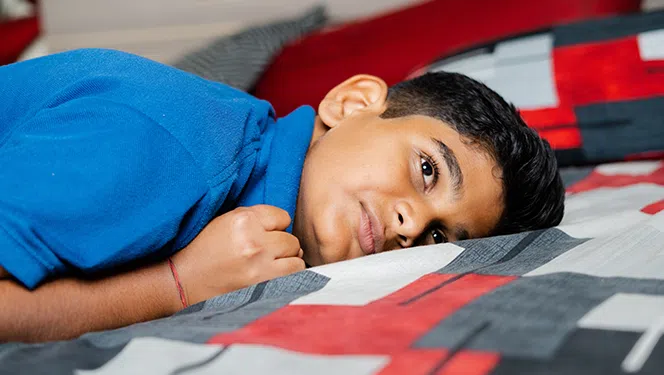
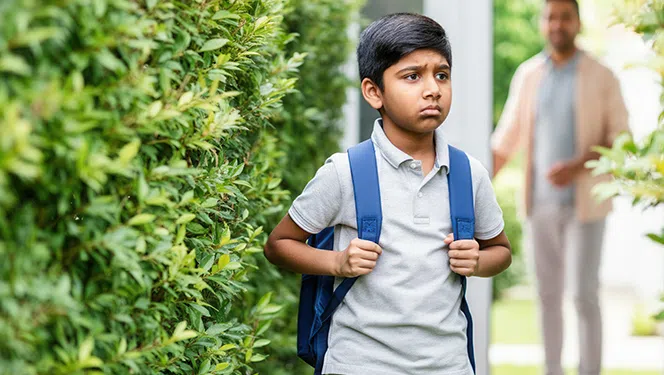
Picture this. Your 10-year-old, who usually chatters non-stop about school, has gone unusually quiet over the past few weeks. She's snapping at her younger brother, picking at her food, and last night she woke up crying from a nightmare, the third in a month. She's also suddenly refusing to go to her tuition class, a class she used to enjoy.
Any one of these things, on its own, may mean nothing. Children have off days, exam stress, and friendship troubles. When several changes appear together and persist, it's time to pause and ask:
"Is my child going through something that needs my attention and support?"
Most children who experience abuse don't say it in words. Sometimes, their distress shows up in their behavior, emotions, or physical health. That's why an observant, supportive parent can make a difference.
Why don't children just tell us?
This is the hardest part for parents to accept: children may not disclose abuse immediately, and some may never do so. But when you understand why, their silence can make heartbreaking sense:
- They may not recognize it as abuse. Younger children, especially, may not have the words or understanding to make sense of what has happened to them.
- They fear they won't be believed, especially if the abuser is someone the entire family loves and respects.
- They blame themselves. Abusers may manipulate children into believing that what happened was their fault.
- They're protecting others. Children may worry that telling someone will get a person they love into trouble, break up the family, or hurt their parents.
- They've been threatened. A child may be told that something bad will happen to them or someone they love if they tell.
Faced with all this, some children try to cope on their own. Their distress may therefore show up not in their words, but in their body, behavior, and emotions.
The signs to watch for
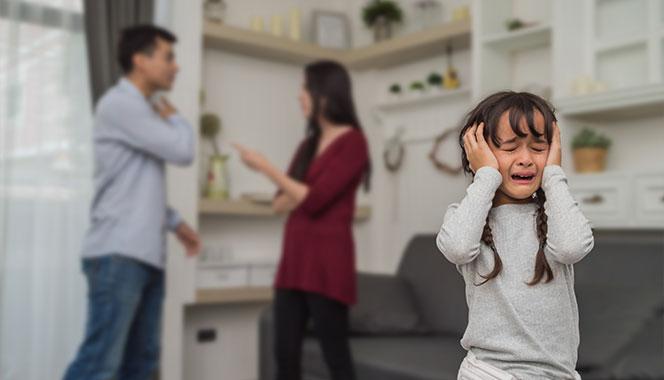
After experiencing abuse, a child may be flooded with conflicting emotions such as shame, guilt, fear, shock, confusion, anger, and sadness. You cannot always see these feelings directly, but you may notice changes in how your child behaves or feels.
Behavioral and emotional signs
Possible signs include:
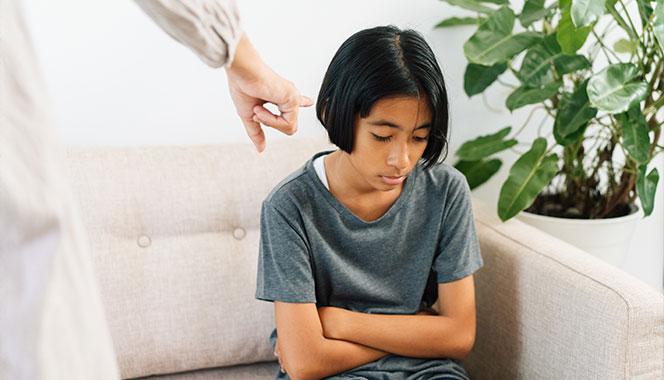
- Suddenly prefers to be alone; withdraws from friends and play.
- Gets angry easily, or shows unusual hostility and aggression.
- Difficulty concentrating or a noticeable change in school performance
- Irregular eating and sleeping patterns; frequent nightmares
- Sudden fear or avoidance of a particular person, place, or situation
- Regressive behaviors such as thumb-sucking, bedwetting, and clinginess in younger children
- Drops hints or makes indirect comments about what happened
- Shows sexual knowledge or behavior unusual for their age
- Signs of depression, self-harm, or talk of not wanting to live
Physical signs
- Unexplained pain, swelling, bleeding, or injuries, especially around the genital area
- Recurrent urinary or genital symptoms
- Unexplained headache, stomachache, or other physical complaints
One sign alone doesn't confirm abuse
Here's something crucial: these are indicators, not proof.
A child sleeping badly may be anxious about exams. A child avoiding an activity may merely have a friendship problem or may no longer enjoy it. No single behavior, or even a pattern of behaviors, can tell a parent for sure that sexual abuse has occurred.
At the same time, a child who has experienced sexual abuse may show no obvious signs at all. The absence of physical or behavioral changes does not mean that abuse has not happened.
Rather than panicking or jumping to conclusions, stay curious and attentive. Notice changes, make time to connect with your child, and create a safe space for them to talk about what they may be going through.
Some findings do require prompt professional attention. For example, pregnancy, a sexually transmitted infection, or genital injury needs appropriate medical assessment. And if a child tells you that someone has sexually abused them or made them feel unsafe, take what they say seriously.
You don't need to investigate or decide what happened on your own. Your first role is to listen, support, and help your child feel safe.
Some doubts parents often have
"My young child sometimes touches their private parts. Is that a sign of abuse?"
By itself, no. Children may touch their private parts out of curiosity, comfort, or simply as part of normal development. It’s more concerning when the behavior persists, is difficult to redirect, interferes with daily life, or is accompanied by other worrisome changes.
To respond calmly, tell yourself that it’s okay to feel shame or embarrassment. It helps calm emotions and makes it easier to remind your child about privacy and personal safety. This is more helpful than punishment.
"My child and I are close. Surely, they would tell me?"
A close bond helps enormously, but it does not guarantee that a child will disclose abuse. Even deeply loved children may stay silent because they are frightened, confused, ashamed, or worried about what will happen if they tell.
Children are more likely to speak when they know they will be listened to, believed, and supported, not blamed or punished. You build this sense of safety deliberately, through ongoing, age-appropriate conversations about feelings, boundaries, and personal safety.
"If abuse has happened, is my child scarred for life?"
No. However, here’s something important every parent needs to know:
Without support, the impact of CSA can indeed stretch into adulthood: it may affect mental health, relationships, and a child's sense of safety and trust. But abuse does not have to define a child's future.
| With safety, supportive caregivers, and appropriate professional help, many children can heal and go on to lead healthy, fulfilling lives. What matters is that the child is believed in, protected, and given the support they need. |
Abuse is never the end of your child's story.
Awareness turns into protection
If Part 1 was about understanding what CSA is, this article is about learning to observe and notice. You don't need to become an investigator to protect your child. You need to become an observant, approachable, and supportive adult.
Noticing changes is only one part of keeping children safe. The next step is prevention: helping children understand boundaries, recognize unsafe situations, and know that they can always approach a trusted adult.
Meanwhile, you can explore Arpan's free collection of resources for parents and teachers to deepen your understanding and learn practical ways to help keep children safe.
Mustafa Attarwala is part of the Arpan Communications team, where he contributes to communication initiatives and campaigns focused on child sexual abuse prevention and awareness.
Reviewed by Dr. Manjeer Mukherjee, a sociologist with 18+ years in the development sector, specializing in gender, health, violence, and child sexual abuse. She holds a PhD in Sociology from Jawaharlal Nehru University, New Delhi, with research on kinship and reproductive technologies. Her work spans gender, children, sexuality, medicine, technology, and abuse.
Published: October 21, 2026






















Comments
Edit
Comment Flag
Cancel Update