
FEATURED
Navratri For Kids: 9 Fascinating Facts And Traditions About The Festival And Its Significance
Team ParentCircle
ParentCircle empowers parents to raise successful children through holistic parenting.
Why do we celebrate Navratri, and how do traditions differ across India? Explore nine interesting facts about the festival, its significance, the nine forms of Goddess Durga, and the colourful customs families follow

Navratri is a season of fun and festivities with rituals, sweets, gifts, and feasts. The festive season is officially here!
What is Navratri and why is it celebrated?
Navratri is a Hindu festival celebrated over nine nights, usually in September or October during Sharad Navratri, honouring Goddess Durga in her different forms and the triumph of good over evil.
Celebrated differently across India, Navratri brings families and communities together through prayers, cultural performances, and cherished traditions. Here's how people celebrate, and nine interesting facts children can discover about the festival.
How is Navratri celebrated across India?
Navratri celebrations reflect India's rich cultural diversity. In South India, families arrange doll displays and invite friends and relatives to visit. It is called differently across the southern states, including Bombe Habba in Kannada, Bommai Kolu in Tamil, Bomma Gullu in Malayalam, and Bommala Koluvu in Telugu.
In Gujarat, Garba and Dandiya Raas bring people together through traditional music and dance.
Priya Dave, a journalist based in Bengaluru but hailing from Gujarat, misses these celebrations. “More than the pujas, I look forward to playing dandiya. We would prepare in advance and visit shops for colourful dandiyas. This year, I am not going home and will miss the festivities associated with Navratri.”
In West Bengal, Durga Puja is marked by elaborate pandals, artistic decorations, and community gatherings. In many parts of North India, devotees observe fasts, participate in Ramlila performances, and celebrate Dussehra.
Ramalakshmi Nagarajan, who is based in Delhi, recalls, “My fond memories of Navratri include being invited by neighbours and treated to sweets and even given some money, especially on the eighth and ninth day.”
These regional traditions offer children a glimpse into the many ways families across India observe the festive season.
9 interesting facts about Navratri that children should know
1. What does the word Navratri mean?
The word ‘Navratri’ comes from two Sanskrit words: nava, meaning nine, and ratri, meaning night. The festival traditionally spans nine nights and culminates in Vijayadashami, also called Dussehra in many parts of India.
2. Navratri is observed at different times of the year
Navratri is observed at different times according to the Hindu lunar calendar. Four principal observances are commonly recognised: Chaitra Navratri in spring, Sharad Navratri in autumn, and the more subdued Ashadha Gupta and Magha Gupta Navratris.
Of these, Sharad Navratri, usually celebrated in September or October, is the most widely observed.
3. The nine nights are associated with nine forms of Goddess Durga
During Sharad Navratri, devotees worship nine forms of the Goddess, collectively known as the Navadurga: Shailaputri, Brahmacharini, Chandraghanta, Kushmanda, Skandamata, Katyayani, Kalaratri, Mahagauri, and Siddhidatri.
Each form has its own symbolism and is associated with different qualities of divine feminine power, often referred to as Shakti.
4. Navratri is associated with Goddess Durga's victory over Mahishasura
According to Hindu mythology, the Gods created Goddess Durga to defeat Mahishasura, a powerful demon who could take the form of a buffalo. Their battle is traditionally described as lasting nine days and nights, ending with the Goddess's victory.
The story symbolises the triumph of good over evil and provides an opportunity to discuss courage and perseverance with children.
5. Garba has a special place in Gujarat's Navratri celebrations
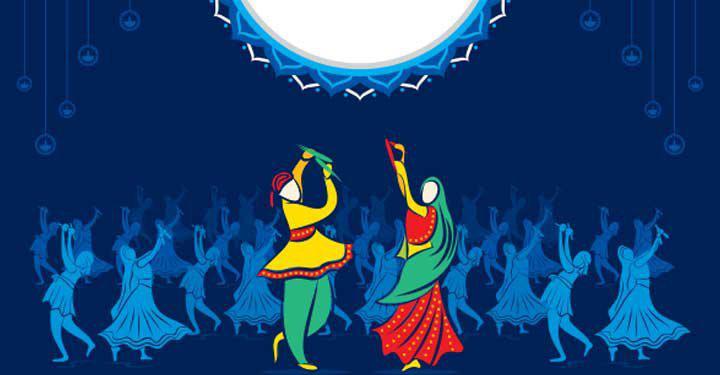
Garba is a traditional Gujarati dance performed in circles to rhythmic music, often around a central lamp or a symbolic representation of the Goddess. Dandiya Raas is another popular dance form in which participants use decorated sticks.
Both traditions bring communities together through music, movement, and celebration.
6. Ayudha Puja honours the tools and instruments we use
In many parts of South India, people celebrate Ayudha Puja on the ninth day of Navratri. People honour the tools, equipment, books, musical instruments, vehicles, and machinery that support their work and daily lives.
Many communities worship Goddess Saraswati, who represents learning, knowledge, and the arts.
7. Navratri dates follow the Hindu lunar calendar
Navratri dates change each year because the festival follows the Hindu lunar calendar. Sharad Navratri generally begins on Pratipada, the first day of the bright fortnight of the lunar month of Ashwin, and falls in September or October.
8. Dussehra is celebrated in different ways across India
In many parts of North India, Ramlila performances depict episodes from Lord Rama's life. On Dussehra, effigies of Ravana, and sometimes other characters from the Ramayana, are burnt to symbolise Lord Rama's victory over Ravana.
In other regions, Vijayadashami honors Goddess Durga's victory over Mahishasura. In West Bengal, Durga Puja concludes with rituals marking the Goddess's departure.
9. Golu brings stories and creativity into homes
In many South Indian households, Golu displays feature dolls and figurines arranged on stepped platforms. They may depict scenes from mythology, miniature villages, gardens, and everyday life.
Children can help arrange the dolls, create decorations, and learn the stories behind the displays. The tradition is an opportunity to share memories, creativity, and cultural knowledge across generations.
Celebrate Navratri by learning and sharing traditions
Navratri allows families to explore India's diverse cultural traditions together. Parents can invite children to ask questions, listen to grandparents' memories, help prepare for celebrations, or learn a traditional song or dance.
Whether visiting a Golu display, attending a cultural performance, or discovering the stories behind the festival, children can develop an appreciation for the customs and values that bring communities together. These shared experiences can become cherished family memories.
Last updated on: October 14, 2026

























Comments
Edit
Comment Flag
Cancel Update