
6 Indian Foods For Treating Cold And Cough In Babies, Toddlers, And Young Children
Ashwin Dewan
A cold and cough can make feeding difficult for babies and toddlers. Discover gentle Indian foods that soothe symptoms, support immunity, and help your child recover comfortably
Does your child suffer from a runny or stuffy nose? Are they sneezing continuously? Chances are, they have a cold. Parents often reach for the nearest bottle of medicine or give their child a tablet for a cold.
Should you give cold medicines to babies and toddlers?
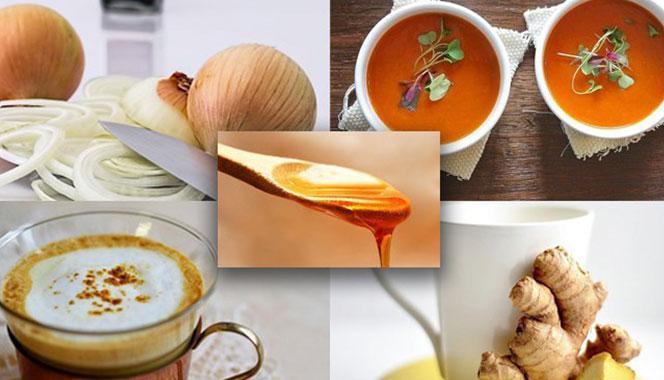
Did you know certain Indian foods can help relieve your toddler's cold and cough symptoms? Tomato soup, honey in warm water, ginger tea, ginger and garlic khichdi, and turmeric milk are some home remedies for cough and cold symptoms in children.
However, for parents, it can be quite challenging to make babies eat, especially when they are sick and don't feel like eating.
Why food matters when your child has a cold
For babies with cold and cough symptoms, it's best to give foods that are easy to digest, rich in nutrients, and easy to eat. Also, smaller quantities of food at regular intervals will ensure they are adequate.
For babies less than six months old, breast milk is the only recommended source of nutrition. As breast milk is rich in antibodies, it will help strengthen the baby's immune system.
For babies six months of age or toddlers, traditional rice gruel or rice porridge can work wonders to relieve symptoms of congestion caused by a cough or cold.
Indian foods for cold and cough in babies, toddlers, and kids
Foods are as essential as medicine in contributing to the quick recovery of a sick toddler. Some of the best Indian foods to cure symptoms of cough and cold in babies can be found right in your kitchen.
Six cough-fighting Indian foods for babies and toddlers
1. Tomato soup for cold relief in toddlers
It is a fact that the more liquids you drink, such as soup and water, the faster the cold will pass. It is no different for a toddler. Loaded with vitamin C, a bowl of steaming tomato soup is ideal for treating a cold in toddlers.
Note: Tomatoes are full of antioxidants that boost immunity
2. Honey in warm water for cough (1 year and above)
Honey has many medicinal properties for treating the common cold. Give your toddler warm water mixed with a spoonful of honey. This will help in clearing the accumulated mucus and soothe the irritation arising from a sore throat.
Note: Honey should not be given to babies under the age of one year.
3. Ginger tea for congestion
Ginger tea is a very effective and inexpensive treatment for the common cold. A natural antiviral, ginger helps induce perspiration and lowers body temperature. Ginger tea is a decongestant that aids in relieving the symptoms of a cold. Toddlers can even be given a piece of ginger to chew.
Note: Ginger tea is ideal for toddlers who are aged 1 year and above.
4. Ginger and garlic khichdi for easy digestion
Khichdi is a dish made of rice, pulses, and spices. One nourishing and healthy food item that helps in cold relief is ginger and garlic khichdi, which gives a slight twist to the humble khichdi.
Note: However, this comfort food is only recommended for babies 7 months and above.
5. Onions to support immunity
Onions are more useful than we think because of their natural anti-inflammatory, antibiotic, and antiviral properties. Onions are loaded with the anti-microbial compound called allicin, which helps in fighting a cold.
Note: Add a little grated raw onion to soups and sandwiches if your toddler is unable to eat them directly.
6. Turmeric milk for cough and chest congestion
Turmeric milk is a natural tonic to give to toddlers suffering from a cold and cough due to its antiviral and antibacterial properties. A common household remedy for a cold, it provides instant relief from respiratory problems such as a dry cough. Organic turmeric powder is also available.
Note: Turmeric milk also has anti-inflammatory properties that battle chest congestion.
Cold and cough in toddlers are usually not serious problems. However, if care is not taken, a cold can lead to serious infections such as strep throat and bronchitis. However, with the right combination of good food, care, and appropriate medication, babies with a cold will recover quickly.
When to see a doctor for a cold and cough in babies
Cold lasting more than 7–10 days
Fever in babies under 3 months
Difficulty breathing or wheezing
Poor feeding or dehydration
Feeding checklist for babies and toddlers with cold and cough
DOs
Offer small, frequent meals instead of large portions
Choose warm, soft, and easy-to-digest foods
Keep your child well hydrated with soups, warm water, or breast milk
Continue breastfeeding on demand for babies under 6 months
Let your child eat at their own pace, as appetite may be low during illness
Maintain good hand hygiene and clean feeding utensils
DON’T
Force your child to eat when they refuse
Give cold, fizzy, or very sugary foods and drinks
Offer honey to babies under 1 year
Add extra spices or strong flavors that may irritate the throat
Self-medicate with over-the-counter cold medicines without consulting a doctor
Stop feeds completely. Fluids and nutrition are still important
While modern medicine offers several treatments for cough and cold, Ayurveda has many time-tested remedies made from naturally available herbs.
Last updated on: January 21, 2026

























Comments
Edit
Comment Flag
Cancel Update