
Does your baby have blisters around her mouth? It might be a cold sore
Sahana Charan
Is your little one cranky because of painful blisters around her mouth? It could be an infection called oral herpes, also known as cold sores. Here's what you need to know
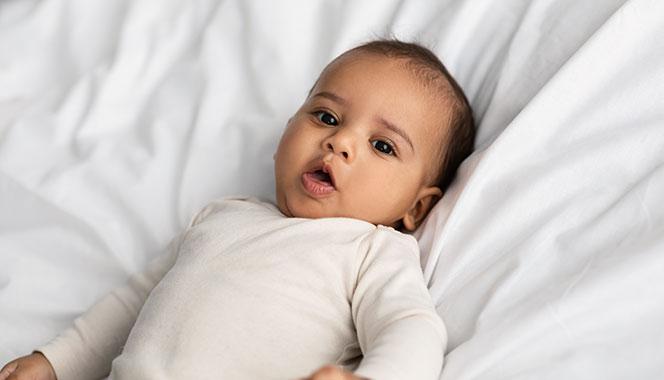
When Neena found her 11-month-old son repeatedly scratching the area around his little mouth and nose, she attributed it to dryness of the skin. But when the baby's discomfort persisted and small ulcer-like, fluid-filled protrusions started to appear around his lips, Neena became worried. A visit to the doctor revealed that the little one had a case of baby cold sores, a viral infection, which can sometimes cause severe complications in babies. The good news is, timely treatment and care can help heal the infection.
What is a cold sore?
Cold sores are a group of small, round and fluid-filled blisters that are quite painful and appear mostly around the lips, nose or cheek area and occasionally inside the mouth of a baby. After the blisters appear, they may break and fluid might leak. Thereafter a crust forms over the area, which dries up and disappears in a few days. The infection may last for one to two weeks.
Both children and adults can get cold sores, but the infection can turn serious in children who are under six months of age. A cold sore, which is also called a fever blister, is a common viral infection and has nothing to do with the common cold. Some parents may mistake cold sores for canker sores or blister on the baby's lip (what we know as mouth sores/ulcers), which are painful but rarely appear outside the mouth.
What causes cold sores?
Cold sores in babies are caused by the herpes simplex virus (HSV), which is responsible for genital herpes. There are two strains of HSV. Mouth sores are most often caused by strain 1 (HSV-1), while genital herpes is caused by HSV-2. The viral infection is highly contagious and spreads through close contact.
A person who is infected with the HSV-1 virus can spread it to a baby by kissing, through infected saliva or by sharing items such as towels, toiletries and utensils.
Parents need to remember that the HSV-1 can be dormant in an infected person for some time before cold sores appear, so it is a good idea to discourage anyone to kiss or come in close contact with your little one.
Cold sores are more likely to appear after exposure to the sun, due to stress or in those who have weak immunity.
Symptoms of cold sores in babies
- Just before the appearance of the fluid-filled blisters, your child may have an itching or tingling sensation around the mouth and nose.
- Once the blisters burst, scabs (resembles a crust, is a protective layer that usually forms over a cut to keep more blood and other fluids from flowing out) appear that may last for a few days.
- In some children, cold sores may be accompanied with fever, headache and painful gums.
Complications of cold sores
Dr Sachin Bhise says, "In most children, the HSV-1 does not cause any severe problems. However, since newborns and babies are vulnerable to infection as their immune systems are not fully developed, they are at risk of complications of cold sores."
Some of these complications include:
- Spread of virus to the eye, which can lead to an eye infection. If this becomes severe, it can lead to vision problems in children.
- The herpes simplex virus can affect the brain causing a serious health condition such as encephalitis (a condition where there is inflammation of the brain).
- If a child suffers from eczema (a skin infection), then cold sores can spread all over his body.
One rare complication of mouth sores infection is neonatal herpes, which is caused by type 1 or type 2 of the herpes simplex virus. If a woman contracts genital herpes during pregnancy, her baby can get infected with the virus during birth, causing neonatal herpes. This infection can potentially be dangerous to the child as it can lead to complications such as respiratory problems, brain damage or even death.
Treatment of cold sores
Early detection and prompt treatment of cold sores in infants can help ease the symptoms of HSV-1 infection. Contact your child's pediatrician, if the blisters do not seem to heal fast or are accompanied by fever or sore throat. Here are some of the treatment options:
- Anti-viral medications and topical ointments
- Medications to relieve pain
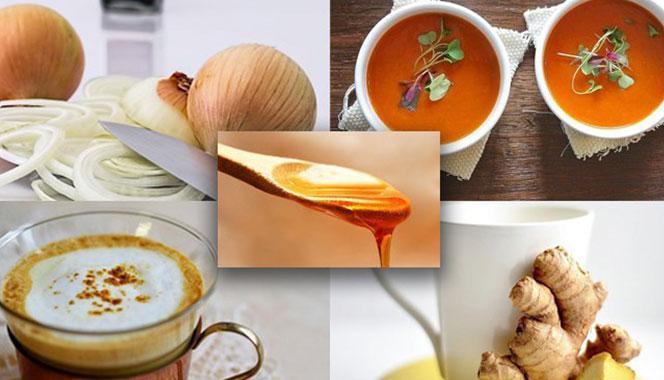
Home remedies for cold sores in babies
|
How to prevent cold sores
- Do not allow your child to come in close skin-to-skin contact with an infected person. If your child already has blisters, ensure she does not scratch them or touch the fluid. This can prevent the spread of infection.
- Maintain hygiene when handling your baby. Wash your hands often and keep your surroundings clean.
- Keep your child's clothes, towels and utensils away from others and avoid sharing them.
- Apply a good sunscreen on your child's face and body when going out in the sun.
- Offer your child a nutritious diet packed with immunity-boosting fruits and vegetables.
Cold sores, if treated effectively at the early stages, do not pose much risk to toddlers and older children. However, they can prove a threat to infants under the age of one. It is recommended that parents consult their doctor to avoid any unwanted complications arising.























Comments
Edit
Comment Flag
Cancel Update