
Understanding Malaria In Children: Exploring The Causes, Symptoms And Treatment
Dr Vishnuvardhan Reddy Meedimale
author parentcircle author parentcircle author parentcircle author parentcircle author parentcircle author parentcircle
Is your toddler suffering from fever and chills? Do you think it might be malaria? Read on to know about the symptoms of malaria in kids and ways to treat it.
Malaria is caused by parasites of the Plasmodium species, which are carried by mosquitoes that are infected from biting someone who already has the disease. When these mosquitoes bite others, this disease gets transmitted. The 2023 World Malaria Report released by the World Health Organization (WHO) highlighted that in 2022, India contributed to 66% of malaria cases within the WHO South-East Asia Region. Additionally, nearly 46% of all cases in the region were attributed to Plasmodium vivax, a protozoal parasite recognized as the primary cause of recurrent malaria, underscoring its widespread prevalence and impact. As far as malaria in children is concerned, WHO indicates that kids under the age of five years are considered to be the most vulnerable group. In such an alarming situation, it becomes absolutely necessary for parents to be aware of the signs and symptoms of malaria in children.
Signs and symptoms of malaria in babies
Malaria is caused by plasmodium parasites. The infection is spread through the bite of a female Anopheles mosquito. The mosquitoes that carry malaria parasites usually bite at night, unlike the mosquitoes that carry dengue or chikungunya, which bite during the day.
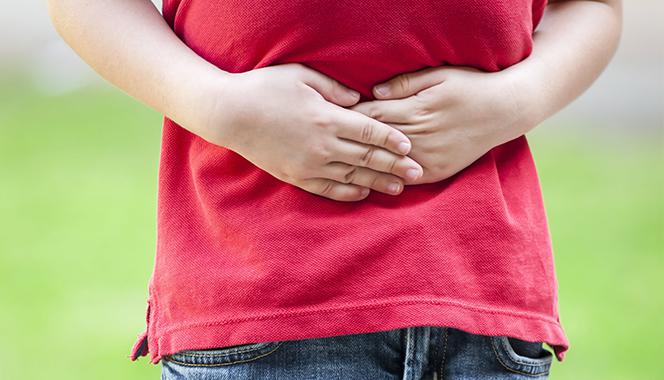
Generally, the symptoms of malaria in kids start showing around eight days to even three weeks after being bitten by an infected mosquito. Malaria symptoms in toddlers usually include fever, shivers, cough, and cold, irritability and drowsiness, poor appetite, diarrhea (where the stools are often green in colour), sleeplessness, vomiting, stomach pain, etc. Some toddlers suffer from a low body temperature (hypothermia) instead of a fever but could have seizures and rapid breathing.
What happens when a toddler is infected?
If a toddler is infected with malaria, they are likely to suffer from fever which requires frequent sponging to bring it down. If they have convulsions, dehydration, or loss of consciousness, the child might have to be hospitalized. Apart from these, malaria symptoms in babies may include any of those mentioned above. Each of these symptoms has to be addressed at the earliest.
How can malaria be diagnosed?
The symptoms of malaria in children are quite similar to those of flu, dengue, and chikungunya. So, if your toddler is suffering from severe fever and chills, you need to contact your doctor immediately. To confirm malarial infection, a blood test is necessary. If your doctor thinks that your little one has malaria, they are likely to start treatment while waiting for the blood test results to come through.
Taking your toddler to the doctor is the best way to deal with malaria. Depending on the condition and the severity, the doctor will prescribe treatment with antimalarial drugs. Also, based on the type and severity of malaria, the doctor may prescribe a single drug or a combination of medicines.
Is malaria contagious?
Malaria spreads through blood. As the infection is found in red blood cells of an infected person, one may get malaria if they receive infected blood during a blood transfusion. However, malaria is not contagious, which means that you can't get it from sitting near an infected person. However, if an expecting mother is suffering from malaria during pregnancy, it can be passed on to her unborn baby, either before or during the delivery. This is known as congenital malaria.
There is no commercially available malarial vaccine at the present moment.
Also read: 9 Tips To Prevent Malaria In Toddlers
Treatment of malaria in children
There are several antimalarial medications that help cure malaria in babies and toddlers. In addition to these, a healthy diet can help significantly in malaria treatment for children.
Malaria medication for kids
Atovaquone/Proguanil, Chloroquine, Doxycycline, Mefloquine, Primaquine, and Quinine are some of the medicines that cure malaria when taken at the right time, in the dosage prescribed by the doctor.
- Dosage for toddlers:
Malaria in toddlers is treated with anti-malarial drugs, such as chloroquine or quinine, given by mouth, by injection, or intravenously. Only after understanding the level of infection, appropriate treatment and medication is advised by the doctor. In case the condition turns severe, the toddler needs to be hospitalised and be under the constant supervision of the doctor.
- Duration of medicine:
For most of the cases, treatment duration is 3 days. In one form of malaria, medicine needs to be given for 14 days to prevent its relapse. In severe cases, IV medications are given along with supportive medicines that can be administered for a few days and may even continue for a few weeks.
- Diet to be followed:
When your toddler is suffering from malaria, they will tend to have a low appetite. Since their nutrition intake might be less during this phase, parents need to be extra careful with the diet. Health fluids and liquid fluids work best in such cases.
Are there ways to treat malaria at home?
As we all know, fresh fruits and vegetables play a very important role in our lives. Having them every day enhances your toddler's immune system, and helps them fight any infection. Some of the home remedies that can control the malarial infection and improve the health of the toddler include consuming orange juice on a regular basis along with sufficient amount of water.
Malaria in children is definitely a matter of huge concern for parents. But, with the advancement of medical science, it can be easily cured if diagnosed at the right time. However, it is the responsibility of parents to provide their children with the right amount of healthy balanced food that gives nutrition and develops their immune system. It is also important to keep the surroundings clean and hygienic so that the mosquitoes stay away from us. As always, prevention is better than cure!



















Comments
Edit
Comment Flag
Cancel Update