author parentcircle author parentcircle author parentcircle author parentcircle author parentcircle author parentcircle
The bed-wetting problem is a part of growing up in most children. With time, the habit goes away. However, in some children, bed-wetting at night remains a problem. Here's what you should do.
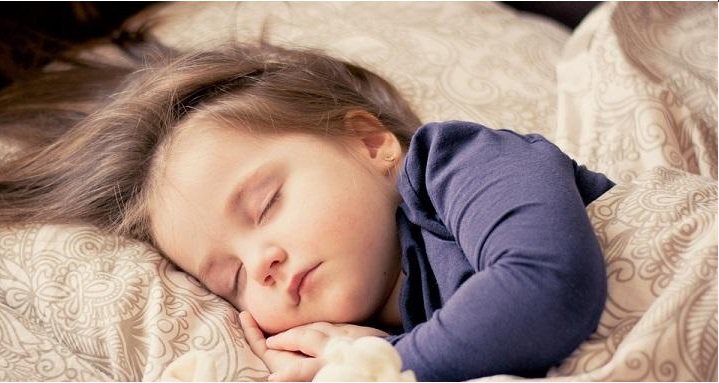

Reena Mistri, a brand manager with an advertising agency, used to be a worried mother. Her son, Akash, was seven years old, but continued with the habit of bed-wetting at night. At first, Reena thought Akash would outgrow the habit, but when he did not, she became concerned. It was only after consulting a doctor and taking appropriate measures that Akash stopped passing urine in bed at night.
Bedwetting in children is a common phenomenon. While it is a cause for concern among parents, bedwetting at night, also known as nocturnal enuresis, is also embarrassing for the child. Unfortunately, most parents don't know how to help their children overcome the problem.
For children in the age group of 5-15 years, the prevalence of bedwetting is as follows:
The common causes of bedwetting in children include:
Eighty per cent of bedwetting cases involve children who have not achieved night-time bladder control (or primary enuresis). In the remaining 20 per cent, the child begins passing urine in bed at night after having been dry for at least six months (secondary enuresis). This is usually triggered by a stressful event in the child's life, like a family conflict, divorce of parents or birth of a sibling.
Generally, most children achieve daytime bladder control by the time they are four years old. They are expected to achieve night-time bladder control by the age of five to seven years. But, if the child continues bedwetting at age seven and beyond, it could be a sign of an underlying medical problem. The child may have problems with the urinary bladder or spinal cord, and could require further tests.
As a parent, you should look for signs of bedwetting in your child. These include increased thirst, increased frequency of urination, urgency, straining (applying pressure to pass), dribbling of urine, weak urine stream, pain after passing urine, constipation and soiling of clothes due to stools (encopresis).
If your child shows any of the above-mentioned symptoms, consult a paediatric nephrologist or a urologist to avoid further complications. After consulting an expert, try to maintain a voiding diary (timing of daytime urination, the volume of urine passed). The expert may recommend performing a urine analysis to check for infections or glucose in the urine. The paediatric nephrologist/urologist may also recommend an ultrasonography.
If your child doesn't show any symptoms, the reasons for bedwetting could include:
1. his bladder muscles may be developing more slowly than usual, or
2. his bladder holds a smaller than normal volume of urine, or
3. his body makes a lot of urine.
In most children, the bedwetting problem usually goes away once they learn to control their bladder. But, when the problem of passing urine in bed at night persists, it becomes distressing for both the child and her parents.
Bedwetting at night is twice as common in boys as in girls. Also, children whose parents have had a history of night-time bedwetting, are more prone to showing the habit.
Treatment for bedwetting is considered for children who are over 7-8 years old. The treatment method is usually determined based on the intensity of the habit and the family history. Motivating the child to quit bedwetting at night is an important part of the treatment.
Also read: Understanding bedwetting
Enuresis alarms are the most effective methods for controlling bedwetting. You can consider trying the alarm therapy three to six months after your child undergoes behavioural training, and before being treated with medicines.
A bedwetting alarm has a sensor that detects the first drops of urine in the underwear. When the sensor gets activated, it sends a signal to an alarm device, which emits a sound, vibration or light. This wakes up the child. The alarm helps to train the child to stop urinating in sleep and wake up to use the restroom.
There are medicines that reduce urine production. Children with bedwetting problems are advised to take bedwetting medication before bedtime to reduce the amount of urine produced during sleep. Generally, they are recommended only for occasions, such as when the child is attending an overnight camp or a sleepover.
It is recommended that bedwetting treatment be continued for 3 to 6 months. Then, a gradual tapering over the next 3 months is initiated to decrease the possibility of a relapse after the medicine is stopped. Bedwetting medications should be given only on the recommendation of a paediatrician, and after a discussion about the side effects and the risk of relapse rates. Remember, it is important to take your child for regular consultations to an expert while he is undergoing treatment.
In this video, Dr Cathrine Neilsen-Hewett, who is the Academic Director of the Early Years at the University of Wollongong, speaks about the causes of bedwetting in teens.
The habit of bedwetting can be traumatic for the child and agonising for the parents. However, you can help your child overcome the bedwetting problem by giving her all the support and confidence she needs. Your unconditional love, along with help from the experts, is what your child needs to overcome the problem.
About the expert:
Written by Dr Jyothi Raghuram on 30 May 2017; updated on 25 September 2019
Dr Jyothi Raghuram is an experienced paediatrician working with a leading hospital in Bangalore. She has a special interest in Paediatric Rheumatology. Her favourite part of being a doctor is the opportunity to directly improve the health and well-being of her patients and to develop professional and personal relationships with them.
Looking for expert tips and interesting articles on parenting? Subscribe now to our magazine. Connect with us on Facebook | Twitter | Instagram | YouTube
Join our Circles to share, discuss and learn from fellow parents and experts!
Comments
Edit
Comment Flag
Cancel Update