
How gardening can help children with autism build important life skills
Shaila Hegde
author parentcircle author parentcircle author parentcircle author parentcircle author parentcircle author parentcircle
Who would have known that gardening could help children with autism? Yes, through this simple activity, they can learn to communicate, cooperate and process emotions better! Know how!
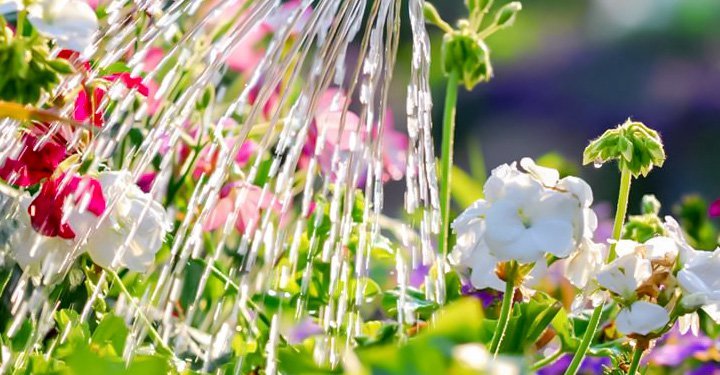
Horticulture therapy explores the relationship between people and plants to improve the social, cognitive, physical, and psychological health and well-being of participants.
The Asha Integrated School for Children with Autism tried out this therapy on a group of 16 children, between the ages of 6 to 12 years and met with success. Many children have sensory issues, obsessive-compulsive disorders, and hyperactivity. The older children also have emotional and behavioral issues.
After the first six months of therapy, during which the children were split into small groups, it was found that work etiquette improved in children, they were able to observe better, concentrate, and focus for longer periods of time. The children became calmer and some felt happier. Their self-esteem improved and some children were even able to build social skills. This therapy could help children integrate better into mainstream life.
Benefits of gardening for children with autism
Improves sensory skills
Being one with nature promotes motivation, gives a feeling of security, enhances sensory and perceptual abilities, and provides relief from stress and anxiety.
Improves focus and concentration
When children tend to the plants, their coordination and focus get better. Seed sowing improves concentration and increases finger-ground perception. Their attention span improves with time, and so does speed and accuracy, and the ability to work independently.
Enhances creativity
'Growing medium' preparation - mixing sand, coco peat, and mud - enhances creativity, lets children explore the color subtleties of the medium, improves hand function and fine motor coordination.
Improves fine and gross motor skills
Tray or bag filling for planting, and transplanting plants to pots improve fine and gross motor skills, coordination, and dexterity, and also help maintain posture.
It is not necessary that children must do all the gardening activities mentioned above. Your child's therapist can choose specific activities that are in line with the therapeutic goals that need to be met.
Some activities to try
- Flower arrangement using yellow, red, and other colored flowers in a urali (brass bowl)
- Jelly-packing mixed with colors to decorate pots
- Filling coco peat (coconut coir compost) in pots
- Filling pots with soil
- Using hand trowels (big and small)
- Watering seedlings with a garden sprayer
- Watering grown plants with a hose or watering can
- Filling plug trays
- Seed sowing in plug tray cells
- Picking/collecting dried leaves
As part of the therapy, these activities must be carried out under adult supervision and continued at home. Children with autism, like many passionate gardeners, discover happiness in planting things and watching them grow. So, time to get those gardening tools ready!





























Comments
Edit
Comment Flag
Cancel Update