
Key Signs A Child May Need Speech Therapy And How Parents Can Help
Amrita Gracias
It’s natural to worry if your child isn’t talking as expected. Learn the gentle signs that may suggest speech therapy could help, and discover how early support can boost your child’s confidence, communication, and happiness
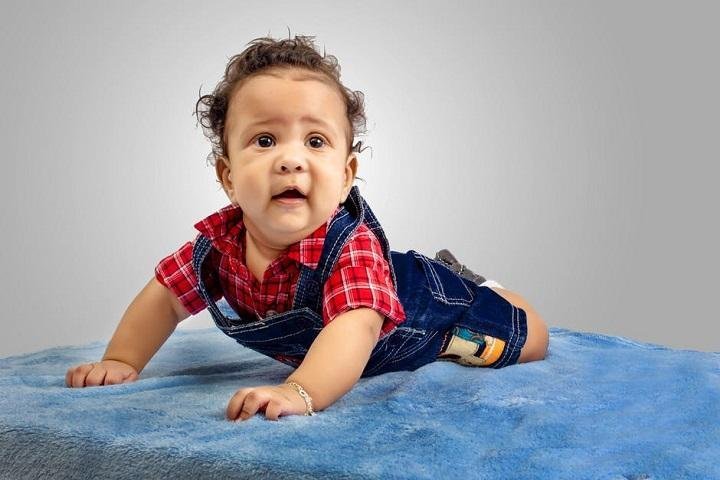
Speech and language milestones are significant factors in your child's development. They form the groundwork for basic language and communication skills. Disorders concerning these skills involve the disruption of normal speech, which can also affect your child's overall development.
Differences between speech delay and normal developmental variation
Parents must be mindful of whether their children are reaching their speech milestones:
- Your child must respond to you by smiling within the first 1 or 2 months of birth.
- Between 4 and 6 months, they should express themself by babbling.
- They should be able to say single words by their first birthday
- Put two words together by 18 months
- By two and a half years, they must be able to speak simple sentences.
Speech milestones include verbal expression of language, the ability to make sounds, and form words.
Language milestones comprise not only the ability to communicate with others but also the ability to understand what others are trying to communicate.
Common signs your child may need speech therapy
Your child should be able to follow simple commands, look at you, or make eye contact when you speak to them. They must also have some basic social skills to be able to interact with others. Any absence or irregularities in these developments and capabilities are red flags that you must be alert to.
Language disorder
Setbacks can result from either difficulties or disorders in speech or language skills. If your child can pronounce words well but is unable to form sentences or even put words together, they may have a language disorder. Language disorder is where the ability to process linguistic information that including grammar or other language aspects, is affected.
Speech disorder
A speech disorder, on the other hand, would indicate that your child may be able to express themself, but their speech will be incoherent owing to poor pronunciation or articulation.
When and how to consult a speech therapist
How hearing impacts speech
Speech development largely depends on progress in other areas, which is the basic parameter to gauge whether a child's growth is normal.
One of the most vital factors for speech development is your child's ability to hear or respond to sounds. Mr. Patil says, "If a child cannot hear normally, then he will be unable to speak clearly. If he is born with a hearing defect, then most definitely he will not be able to respond, and this will inevitably affect his communication skills."
Sounds, tones, and speech patterns form the basis for a child to learn to speak. By constantly listening to you speak, your child begins to understand words and how to express themself using these words. These fundamental capabilities are formed in the first few years of childhood and help your child's reading and writing proficiencies as they grow.
"In fact," says Mr. Patil, "all children must have a routine check-up with an audiologist within the first few weeks of their birth. The tests conducted enable us to assess if the child has any hearing defects that might affect his speech development as he grows." Hearing aids also provide the necessary inputs by facilitating easier perception of sound. However, if your child can hear normally but has trouble speaking, then this should be reviewed further. Hearing and speech are closely related and are dependent on each other for normal development and functioning.
How speech therapy supports language and communication growth
It is essential that you monitor your child's developmental progress regularly. Early intervention is the key to helping your child overcome simple setbacks. "Don't assume that your child will outgrow these impediments. Extended delays might hinder the chances of treating them and supplementing their developmental progression. Moreover, this will affect your child's social and emotional interactions and development as well," Mr. Patil emphasises.
Last updated on: September 8, 2025


























Comments
Edit
Comment Flag
Cancel Update