
How To Build Your Preschooler's Comprehension Through Stories, Conversations, And Play
Kerina De Floras Felix
author parentcircle author parentcircle author parentcircle author parentcircle author parentcircle author parentcircle author parentcircle author parentcircle author parentcircle author parentcircle author parentcircle author parentcircle
Comprehension helps your preschooler understand stories, conversations, and the world around them. Discover simple, everyday ways to build this essential thinking skill through play, reading, and meaningful conversations
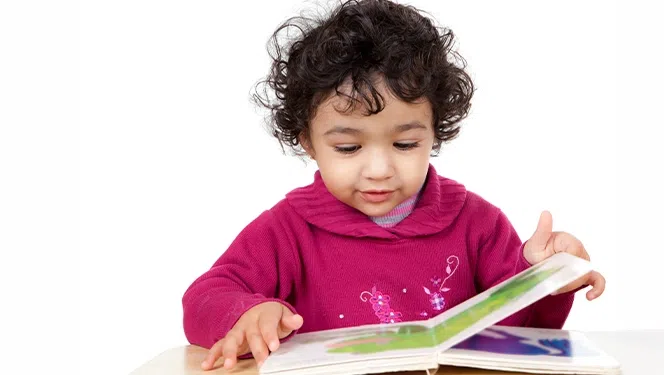
| Thinking Skills for Preschoolers Series |
| Part 1: Attention – Learning to Focus |
| Part 2: Memory – Learning to Remember |
Why comprehension matters during the preschool years
Comprehension is the ability to interpret, understand, and think more deeply about things.
At the preschool stage, your child begins to listen to conversations, follow instructions, and ask questions. These everyday interactions gradually build comprehension skills, laying the foundation for learning, reading, writing, and communication while also building upon what your child already knows. As your preschooler interacts more with their environment, developing strong comprehension skills helps them better understand and learn from the people, experiences, and information they encounter every day.
The different types of comprehension skills include the ability to:
- Understand instructions
- Identify new words in context
- Identify the main idea in a conversation
- Sequence events
- Answer questions on what was read or heard
- Problem-solve and conclude
You might notice...
Your child is asking endless Why questions, predicting what might happen next in a story, or following simple instructions while helping you in the kitchen. These are all signs that their comprehension skills are developing.
Why building comprehension skills is important
Supports language development
When your child understands the stories they hear and the conversations they have, they naturally learn new words, express themselves more clearly, and build stronger language skills. These early experiences also prepare them for learning in school.
Expands your child's knowledge
When your child can comprehend what is being spoken, told to them, or read to them, they continue to enhance their knowledge of the world around them.
Encourages critical thinking
Comprehension is more than simply understanding words. It involves understanding what is heard or seen, making simple predictions, and expressing ideas.
For example, after listening to a story, your child might guess what happens next or explain why a character behaved in a certain way. These everyday conversations help develop critical thinking skills.
Strengthens attention and memory
Understanding stories and conversations encourages your child to listen carefully, stay focused, and think about what they hear. Reading the same books or telling familiar stories repeatedly also strengthens their memory by helping them recall characters, events, and new words.
Simple ways to build your child's comprehension
Even if your child may not be reading yet, simple daily activities can enhance their comprehension skills. Let’s take a look at a few of them.
Have meaningful conversations
A simple conversation that encourages back-and-forth talk can improve your child’s comprehension skills. As you talk and listen to your child, you help them learn how conversations work and encourage them to express their own thoughts and ideas. Strike up a conversation during mealtimes, travel, play, or movie time together.
Read together every day
Reading aloud is one of the best ways to improve your child’s comprehension skills. Reading helps them learn more about the world, make real-world connections to the stories, and also form a special bond with you.
Read to your child their favorite books over and over again if they want you to, and also introduce them to new books. Oral storytelling is a great way to engage them. As you read or narrate a story, pause and let them repeat after you.
Build on what your child already knows
While introducing your child to new concepts is important, it's equally important to build on what they already know. When children can connect new information to familiar experiences, they understand and remember it better.
For example, if you're reading about fruits, start by talking about the fruits your child already enjoys. You could say, "Apples and strawberries are your favorite fruits. Bananas, guavas, melons, and papayas are fruits too."
You can also connect new ideas to your child's favorite movies, songs, books, or toys to make learning more meaningful and enjoyable.
Ask open-ended questions
Instead of questions that require single-word answers from your child, ask questions like, “What do you think happened next?” or “What do you think we must do?” or “Why do you think the lion let the rat go free?” Such questions will prompt detailed answers.
Encourage exploration
Take a walk through the neighborhood and ask them to point out things they see. Listen to their observations and respond meaningfully.
For example, if they see something you read about together, connect it to what your child already knows and add one more piece of information.
Play games that encourage understanding
Urge your child to start telling a story and make up the plot as they go. Make up songs about things they love and keep adding new words to them.
Play games like ‘Simon Says’ or ‘Red light, Green light’ that require children to listen and follow directions. You can also play ‘Tell me about it,’ a simple game to help your child open up about their experiences.
| Myth | Fact |
| Children develop comprehension only after they learn to read | Listening comprehension begins long before children can read independently |
Reading a story once is enough | Re-reading favorite books helps children understand the story better, learn new words, and make connections |
| Children should always give the “right” answer | Open-ended questions encourage children to think, reason, and express their ideas |
Asking lots of questions is a distraction | Questions are a sign of curiosity and help deepen comprehension and language development |
Parent checklist: Helping your preschooler build comprehension
- Read and tell stories every day
- Ask open-ended questions during conversations
- Encourage your child to describe what they see, hear, and experience
- Connect new ideas with familiar experiences
- Introduce new words naturally during everyday routines
- Play games that involve listening and following directions
- Encourage pretend play and storytelling
- Listen patiently and respond with interest
- Celebrate curiosity and independent thinking
Comprehension helps children understand words, make connections, solve problems, communicate their ideas, and learn from everyday experiences. Every time you read a story together, chat during a walk, or answer another Why? " question, you're helping your preschooler develop comprehension.
It takes patient conversations, shared experiences, and playful learning to build a strong foundation for language, learning, and lifelong curiosity.
Trusted sources:
- National Institute of Mental Health and Neurosciences – Child development and parenting resources.
- Center on the Developing Child – Early brain development and learning.
- UNICEF – Early childhood development and responsive caregiving resources.
Also read:
Parenting Tips For Preschoolers
Want to improve your child's understanding of stories and conversations? Explore expert-backed strategies for building reading comprehension skills in children and make every reading session more meaningful.
Published: July 15, 2026




























Comments
Edit
Comment Flag
Cancel Update