
How To Explain Women’s Day To Children: Women's Day History And Its Significance
Monali Bordoloi
How do you give children a simple, honest Women’s Day explanation for kids without turning it into a long history lesson? This article helps you talk to your child about why we celebrate International Women’s Day, its history, and meaning, in a way children can relate to, question, and feel inspired by
Do your children ask you why we need to have a separate day for women? Now you can explain the reasons for celebrating International Women’s Day (March 8) to them, in a language they understand. No fancy, complicated terms for young minds!
Whether your children are preparing for a presentation, an essay, a speech, or general knowledge, this article explains the concept of Women’s Day easily.
Decoding Women’s Day for children
- Throughout history, women were not allowed to work or vote. They were not given the same rights as men. So, in the early 1900s, many women from around the world gathered to highlight women's issues and demand equal rights.
- After many changes, everyone accepted March 8 as International Women’s Day, a special day to celebrate all the incredible things that women do all around the world.
- The theme for International Women’s Day 2026 is “Rights. Justice. Action. For ALL women and girls.”
- From science and the arts to sports and politics, on International Women’s Day, we recognize and honor the accomplishments of women.
- We also remember the struggles women have faced in the past and continue to face today.
- On this day, we celebrate the progress made toward gender equality.
- March 8 is also a day to think about what we can do to make the world a better, more equitable place.
History of Women’s Day
- In 1975, the United Nations (UN) celebrated International Women’s Day for the first time, honoring the achievements of women from different walks of life.
- In 1977, March 8 was declared an official UN holiday for women’s rights and world peace.
- The colors purple, green, and white represent International Women’s Day.
Celebrating women’s achievements
Here are four brilliant women you can talk to your children about on International Women’s Day:
1. Rani Lakshmibai of Jhansi
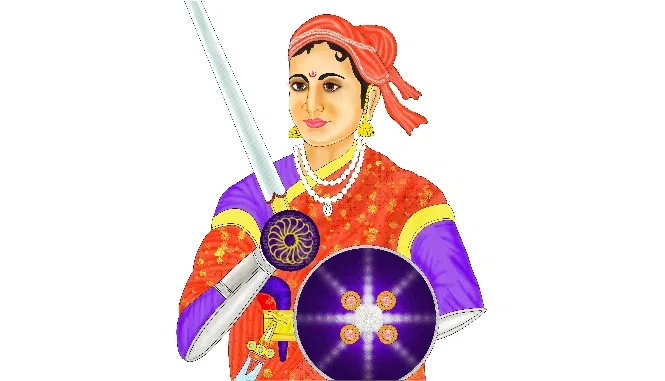
Rani Lakshmibai was an Indian queen and warrior who is known for leading a rebellion against the British in 1857.
2. Mother Teresa
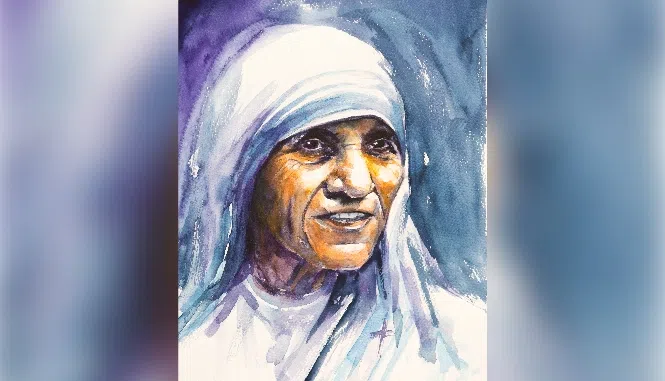
Mother Teresa cared for the poor and built orphanages and hospices. She received the Nobel Peace Prize in 1979 for “bringing help to suffering humanity.”
3. Marie Curie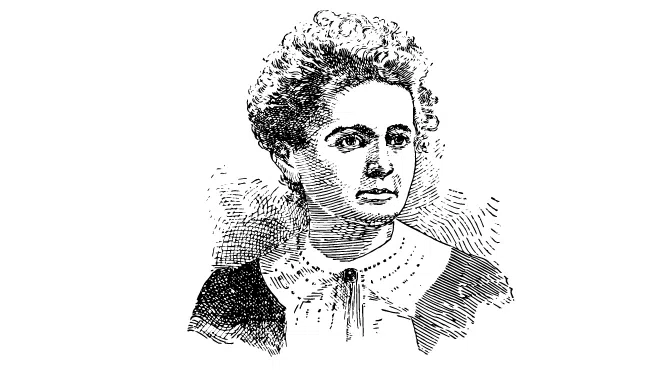 Marie Curie was a Polish-born physicist and chemist who conducted pioneering research on radioactivity. She was the first woman to win a Nobel Prize and is the only woman to win two Nobel Prizes in different fields (physics and chemistry).
4. Malala Yousafzai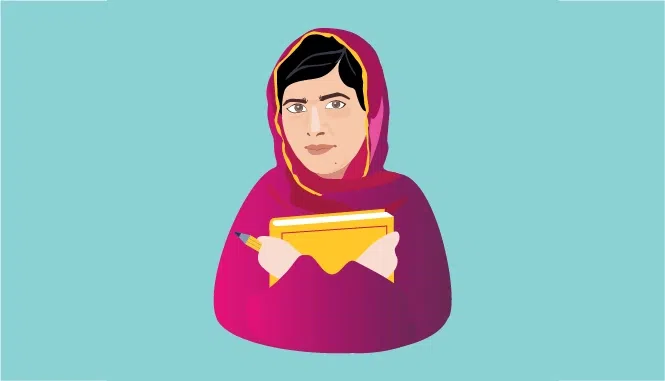 Malala Yousafzai is the youngest Nobel Prize laureate. She is a Pakistani activist for female education, who continued her campaign for the education of girls after surviving a Taliban assassination attempt in 2012.
If your children want to learn more, talk to them about other amazing women who have made significant contributions to society. Their stories are sure to inspire and empower your young children.
Last updated on: March 04, 2026
























Comments
Edit
Comment Flag
Cancel Update