My five-year-old daughter, Zina, wanted to have some candy. However, she had already eaten two, so I refused. Zina began crying, but I did not relent.
Sobbing, Zina ran straight to her grandmother's room. After a while, I saw Zina coming out smiling with a candy in her hand.
Although this annoyed me, I resisted the urge to intervene in Zina's presence. Later that day, I spoke to my mother-in-law and explained to her why what she did wasn't right.
She understood, but I knew this wouldn't change overnight.
If your child is being cared for by grandparents, this situation may feel all too familiar.
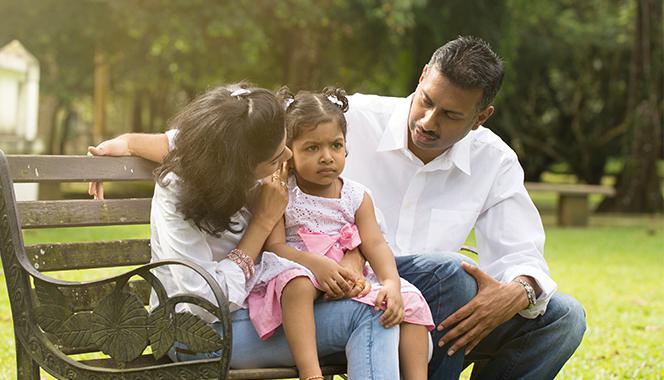
At times, you may feel upset or disagree with how grandparents are raising your child. Try to understand their perspective and work together so that your child feels secure and loved by everyone.
Why is your child closer to grandparents?
There are many reasons why your child may feel more connected with grandparents.
Common reasons children feel closer to grandparents
A caregiver who gives your child a sense of safety and comfort is called a ‘secure base’. This doesn’t mean your child loves you any less. It simply means that, at this moment, the person caring for them most often may feel more familiar and comforting.
Does your child still need you? Yes!
The answer is an unequivocal, 'Yes'. Your child needs you because grandparents don't have the same energy you have to take care of your little one. Also, most of the time, grandparents do not enforce boundaries as firmly as you would. Children need structure and discipline, and no one is better suited to provide that. Moreover, as a parent, you must provide your child with the love and attention they need.
How to build a stronger bond with your child
Focus on connecting with your child by spending more quality time with them. You could also talk to your parents and in-laws about your concerns, so that all of you are in agreement and don't compete to get the child's affection.
What quality time really looks like
Remember, quality time isn't about how much time you spend with your child, but how you spend it. So, try to pay attention and respond to any activity that you choose to do together. It would be a good idea to do activities that your child is unlikely to do with their grandparents. For example, if you cook after you come home from work, you could have your child assist you in the kitchen or talk about the ingredients. Or if they like crafts, you can spend time making things together. It is important to let your child know you are available so they learn to trust you.
Simple, everyday ways to connect with your child
Here are some tips to help you bond with your child:
Ask your child about their day and share what happened with you while you were away.
Listen attentively when your child talks to you.
Come up with a bedtime ritual like sharing each other's experiences or reading a story together.
Shower your child with hugs and kisses.
Show interest in what your child likes to talk about or do.
Be there for your child when they need your support.
Spend some time together in the outdoors.
Also, you must not pressurise your child, even unintentionally, to bond with you. So, even if you feel sad about your child being more emotionally connected with their grandparents, try to ensure that you don't reveal it to them.
Working with grandparents, not against them
Many parents struggle to convince grandparents to follow the same parenting techniques.
Practical ways to get grandparents on the same page
Don't tell them what to do: Most of us do not enjoy being told what to do, especially when we are not given a reason. The same is true for grandparents, too. Do not tell them what to do or what not to. Instead, tell them about the qualities you want your child to develop. Then, you can explain how establishing boundaries will help achieve that outcome.
Include them in decision-making: Include grandparents in discussions and ask them to think of ways they can respond to your child in different situations. For example, ask them what they would do if the child is crying because they want more candy, but has had enough. They might come up with creative solutions, like distracting the child with a captivating story or game. Grandparents shouldn't feel that you are stopping them from bonding with their grandchild.
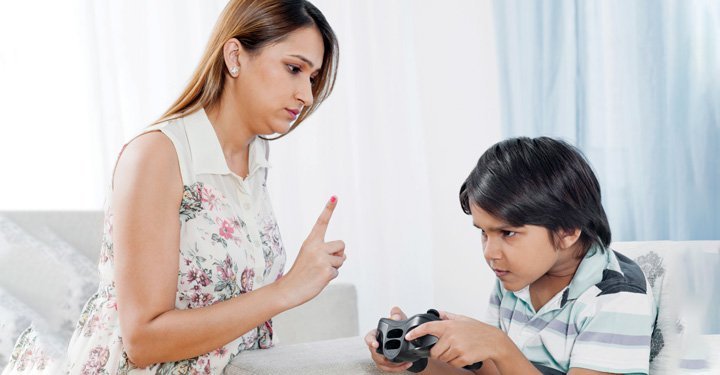
Explain with examples: You can use instances of your child's misbehaviour to help grandparents understand the reasons behind enforcing certain rules. For example, if they throw a tantrum when asked to switch off the TV, you can explain the rationale behind the 'limited screen time' rule.
Don't try to control their every move: Understand that you will need to give grandparents some leeway when it comes to raising your child. To expect them to adhere to all your rules might be a little too much.
Talk to other parents: Sometimes, when we are closely involved in a situation, we may fail to see the obvious solutions. In such cases, it helps to talk to someone from outside, like other parents, and listen to their suggestions. Remember, you are not the only one facing such struggles.
Finding balance in a shared caregiving relationship
You love your child and want what's best for them. So, keep expressing your love through your actions and words, and your child will eventually respond similarly. This way, you can create a stronger bond with your child over time. And remember that, like you, your child's grandparents also love your child and want to spend time together.
Parent checklist
Spend focused, distraction-free time with your child every day
Listen actively and show genuine interest in what your child says
Create small daily rituals like bedtime chats or storytelling
Show affection through hugs, smiles, and kind words
Avoid competing with grandparents for your child’s attention
Talk openly with grandparents about your parenting goals
Involve grandparents in decisions instead of giving instructions
Be consistent with rules, but flexible in your approach
Avoid showing disappointment or jealousy in front of your child
Encourage your child’s independence while staying emotionally available
Remind yourself that attachment to grandparents is healthy, not harmful






















Comments
Edit
Comment Flag
Cancel Update