
How Your Parenting Plays A Role In Shaping and Influencing Sibling Relationships
 Arundhati Swamy 13 Mins Read
 Arundhati Swamy
Mother, grandmother, family and school counsellor
Every parent wants their children to stick with each other through thick and thin. Although many factors can affect sibling relationships, how you parent your children is probably the most important thing that can shape the bond between your children. Here’s what you can do to encourage a loving sibling relationship, plus the pitfalls to avoid while raising siblings
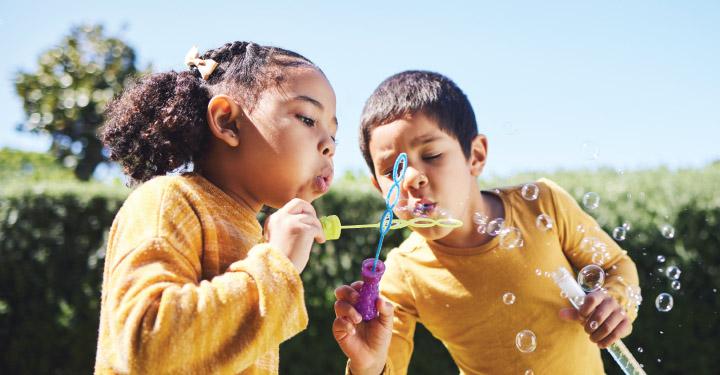
“Sibling relationships outlast marriages, survive the death of parents, resurface after quarrels that would sink any friendship. They flourish in a thousand incarnations of closeness and distance, warmth, loyalty, and distrust.”
– Erica E Goode
That’s how complex sibling relationships are!
From the moment a second child enters the home a new family dynamic is born—the sibling relationship. We aspire for our children to become loving and caring siblings. But is it possible to steer sibling relationships to our liking? How siblings relate to each other depends on so many intricate factors, most of which are beyond our control. Family dynamics, parents’ personalities and parenting styles, early childhood memories, life at school, peer relationships and close friendships are experiences unique to each child. Most significant is the personality of each child and their changing needs through the different life stages.
Sibling relationships are important from childhood all the way through life.
Charged with a mix of positive, negative and ambivalent feelings, the intimacy in sibling relationship is undeniable. From getting to know each other so well, to engaging in play, humor and squabbles, their loyalty toward each other can surmount any odds. Siblings conspire and create secrets, mostly when we parents are not around. A knowing look, a sly smile, the innocent comment may be dead giveaways, but they will guard their secrets as they would a fortress. The intimacy lies in the deep shared experiences and bonds only siblings understand. It’s a precious bond we hope they will preserve through their lifetime.
If we were to reflect on our behavior and communication with our children, what would we discover? That some things we say and do clearly enable or limit their confidence. Red alert: Sibling conflicts thrive on low confidence and poor self-esteem. How can we equip our children with skills to negotiate their way through conflicts? We could make conscious efforts to replace our limiting behaviors with enabling behaviors as we communicate with our children.
Comparisons limit confidence
Unfortunately, we sometimes don’t realize the harsh impact of the comparisons that lurk within our casual remarks. For example, when we constantly remind a child of how smart their sibling is. Or when they frequently hear comments like, “Why can’t you be like your sister?” A child frequently put down by unfair comparisons is naturally going to think, “My parents think I’m not good enough. I’ll never be able to please them. They don’t love me enough.” Fair reasons to feel resentment and dislike for their sibling who is the favored child. As these feelings of hurt fester within, the child becomes emotionally weak and easily triggered. Even little things appear provocative, and they become hurtful and mean in fights with their sibling.
Tip – Break the habit of making comparisons by encouraging your children to keep trying and appreciating the things they do well.
Encouragement enables confidence
We now know the negative impact comparisons have on our children despite the good intention behind it. Instead, we could build on each child’s strengths, help them identify the problem areas and find the solutions. Siblings are so familiar with each other’s thoughts and feelings that they know what works for each other. This makes it easy for them to share their skills and become supportive buddies. And we must accept that they will have different abilities and it is our responsibility to encourage them to find their strengths. When their needs for encouragement and appreciation are fulfilled, they feel good about themselves and become more affectionate of each other.
Tip – Get your children to be on the same team during family activities. Have them plan vacations and family events or outings together. They build strong bonds as they pool their resources, cooperate and problem-solve together.
Giving solutions limits skill building for resolving conflicts
All conflicts are not bad. Children are capable of getting past most arguments, differences of opinion, bickering and squabbles without our intervention. It’s the ongoing feuds, tearing fights and SOS calls for rescue that make us hit the panic button. It’s easier to dive in, take charge and resolve the conflict our way. Our only goal in sight is to quickly restore peace and harmony. We enter the battlefield with our preconceived ideas of who may be at fault, who we need to protect, and who needs to beat a retreat. It’s quick and effective, but only till the next fight. We repeat the same process every time because we believe that’s the only way and that we’re doing our best. We become the judge and the rescuer based on our own biases like girls are weak and delicate, smaller siblings are innocent and helpless, sick or weak siblings must not be blamed, older siblings start the fights. Where does it leave our children? They tend to be filled with anger and dislike for what they believe is the “favored” or “protected” sibling.
Tip – Think about the life experiences that have contributed to the biases you hold in your mind. Use your logical thinking skills to diffuse the biases.
Teaching new strategies for resolving conflicts enables skill building
The answer lies in giving our children practical steps so they can manage conflicts by themselves. We could train them to:
- take deep breaths to calm themselves so they can think clearly
- take turns to listen to each other without interruptions
- see different points of view and appreciate the other’s perceptions
- apologize for their part in the conflict
- work together to find a solution
The next time there’s a sibling conflict, guide your children through these steps. It takes time and practice to understand the benefits of these strategies, so you must be patient.
Tip – Be mindful of your habit of imposing your solutions. Then take a few deep breaths to put a space between your intention and response.
Labels put limits on sibling bonding
Labels are the negative names we give to our children—slow, lazy, loser, fat, stubborn, selfish and the like. Worse still, children take the cue from us and begin to use the same labels to shame their sibling. These labels become their inner voice that says, “My parents don’t love me.” This perceived loss of parental love is distressing and scary for a child. Now the child feels lost without support from parent and sibling. The tenacious sibling bonds become weak and make way for hatred and jealousy.
Tip – Make a list of the labels you give your children. Think about how those labels would make you feel. You will realize you don’t really want to make your children feel the same way.
Acceptance of differences enables sibling bonding
Children are not meant to be fully competent adults. They are meant to feel supported as they learn, acquire skills, make mistakes and face challenges. When we set the tone for acceptance of natural differences among children, they model acceptance with their siblings and learn to appreciate each other’s differences. To feel accepted is to feel deeply valued. Acceptance enables strong sibling bonds even as it helps ease the tensions that may arise between them.
Tip – Celebrate the uniqueness in each child. It helps to set fair expectations for each child and averts unhealthy competition.
HOW TO BUILD CHILDREN’S SOCIAL-EMOTIONAL SKILLS
A child’s social-emotional competence is a key predictor of successful relationships. We can help our children build those social-emotional skills with these parenting practices.
One-on-one time investments with assured returns
Siblings make a wonderful team, but as individuals, they have their separate needs to feel special and valued. Regardless of their age, children need to feel reassured of their importance in the family. Spending one-on-one time daily (just 5–10 minutes) with each child meets their need to connect with you and have your full attention as you converse about anything and everything.
What would be the returns on investing in special time with each child? Happier children, who feel special, loved and secure. And what interest would you accrue from this deposit? Stronger sibling bonds and fewer conflicts. Sometimes it feels like there’s not enough time in a day to accommodate the special time ritual, but think of it like this—a disconnected child is an unhappy child with poor self-regulation skills that make them compete for your attention and vulnerable to sibling scuffs. Would you rather be stressed with their fights, or enjoy relaxed quality time with each of them? The latter choice is a win-win for all friendly siblings and a peaceful you.
Tip – Spending special time with each child gives them the individual attention they need from you. So, they won’t feel the need to compete for your attention.
Habits you model for your children
Children learn how to resolve conflicts by observing and absorbing how we parents handle conflicts. The habits we model for our children are the habits they will imbibe. Do our children see us work through our differences and disagreements by discussing, listening to each other and regulating our voices? Or do they see us using angry gestures, shouting and having loud arguments? We must model the behavior we would like to see in them. And for those rare times when our children see us lose control, let’s make sure we apologize, take responsibility for our behavior, and repair the relationship in their presence. Our children will be more than likely to use respectful ways to resolve conflicts. It’s a sure way to build sibling trust and understanding.
Tip – Always remember that your children are listening and observing you, even when you least expect it. So, try hard to be consistent in the habits you want them to learn.
Unique is different from equal
Adele Faber and Elaine Mazlish, authors of the book Siblings Without Rivalry, suggest that parents treat children uniquely rather than equally. They recognize that each child has a unique temperament and emotional needs. For example, a happy-go-lucky sibling may have triggers different from those of a sensitive child. Being mindful of these individual differences helps children appreciate our sensitivity to each one’s needs more than receiving equal treatment. After all, each child’s personality is unique.
Tip – One child loves music, you gift them a ticket to a music concert. Another enjoys watching cricket. You gift them a ticket to a cricket match. When your children understand that you are treating them fairly, the better they bond with each other, as there’s no reason for them to feel jealous and envious.
Memories bias our perceptions
Our childhood experiences with our parents and siblings remain in our memories. But they reappear in our conscious minds as we observe the sibling relationship in our children. We remember certain experiences with our siblings and feel the emotions of those experiences. The happy memories and emotions make us eager for our children to have similar positive sibling experiences. The unhappy memories and emotions warn us of impending stress. Our goal is to protect ourselves from the stress. So, it helps to analyze the origins of the negative biases, preferably when we are in a calm state of mind. It makes us realize we don’t have to let those biases rule us anymore. A bias-free mind allows us to be objective and respond with fairness. It’s what children want—fairness over bias.
Tip – Set your focus on the good memories of your sibling relationship to feel positive about raising loving siblings.
The family is a microcosm of the intricate social world that lies beyond the home. It’s the earliest community in which siblings learn how people relate to each other in changing situations and circumstances. These initial lessons hold them in good stead to manage the wider network of social relationships and to continue to bond with their siblings. Strong sibling bonds promote learning and development of prosocial skills.
Raising siblings can be one of the most joyful experiences. It can also be frustrating, maddening and exhausting. The parental role is clear—to enable our children to experience the joys of their sibling relationship, to support them fairly through their conflicts, and to equip them with strategies to manage conflicts. While it may be futile to predict or guarantee the end results, there’s much love and support to be gained in a healthy harmonious sibling relationship. As Laura Markham, author of Peaceful Parent, Happy Siblings, says, “Siblings often become good friends, and because they know each other so well, they can provide each other a deep sense of comfort.”
And we parents will always live in the hope that long after we’re gone our children will love and support each other throughout their lifetime.
The Impact Of Parenting Errors On Sibling Bonding
|





















Comments
Edit
Comment Flag
Cancel Update