
Dealing with Kids who bunk Off School
Team ParentCircle

"Sometimes, it's better to bunk a class and enjoy with friends, because now, when I look back, marks never make me laugh, but memories do," said India's former president, Dr A P J Abdul Kalam.
Most students bunk a class or two at some point during their school or college years. But the tendency to frequently stay away from the classroom is a bad habit and has far-reaching consequences. According to an article in promoteprevent.org, "Truancy and chronic absenteeism, which are often stepping stones to dropping-out of school before graduation, have consequences for children, the adults these children will become, and the society in which they live."
As the problem of truancy is increasing with every passing day, the time has come to find a solution to the problem. To deal with a child who often bunks classes, it is important to first understand the reasons for his behaviour. Rahul Mereand-Sinha in his article, 'Tackling truancy, part 2: Why won't they go to school?' published on the website greatergreatereducation.org on 12 March 2013, says, "When surveys are done of the various stakeholders on the primary causes of truancy, the schools and their staff tend to blame the parents. The children generally blame the school. The parents often blame the child. Whatever insight we can gain from that set of relationships, it seems clear all play a part."
If your child also wants to stay away from school, you can help her overcome her habit. Some of the things you can do are: take an active interest in her studies, provide her with everything that she needs in school, and stay in regular contact with school authorities. If issues of truancy still persist, then take her for counselling.
For more tips on how to deal with truancy, you can flip through the pages of our ClipBook.

Know all about truancy
Programs that promote consistent attendance by addressing the risk factors that lead to truancy can also improve academic achievement while reducing problem behaviors, including substance abuse and delinquency.
More at: www.promoteprevent.org

Is your child playing truant from school?
Truancy means missing school on a regular basis for no good reason. It is also sometimes called 'unauthorised absence'. By law, all children who are registered at school must attend regularly...
More at: www.bbc.co.uk

Understanding truancy: Why won't they go to school?
There are three chief categories of inputs in a child's life, their own circumstances and self-image, their relationship with their parents, and the characteristics of their school. Each contributes to the chance a given child will stay absent from school.
More at: greatergreatereducation.org

Absence from school: Its causes and effects
The issue of school attendance is currently the focus of intense activity in schools. Attendance is normally recorded in the attendance registers daily maintained in schools but in many cases, it is not done systematically and regularly.
More at: dera.ioe.ac.uk

How to solve the problem of truancy?
Philippa James, a Ph.D. researcher at Cardiff University's school of social sciences, thinks she knows why: "The more schools improve methods of detection, the more children work out better methods of deception."
More at: www.theguardian.com
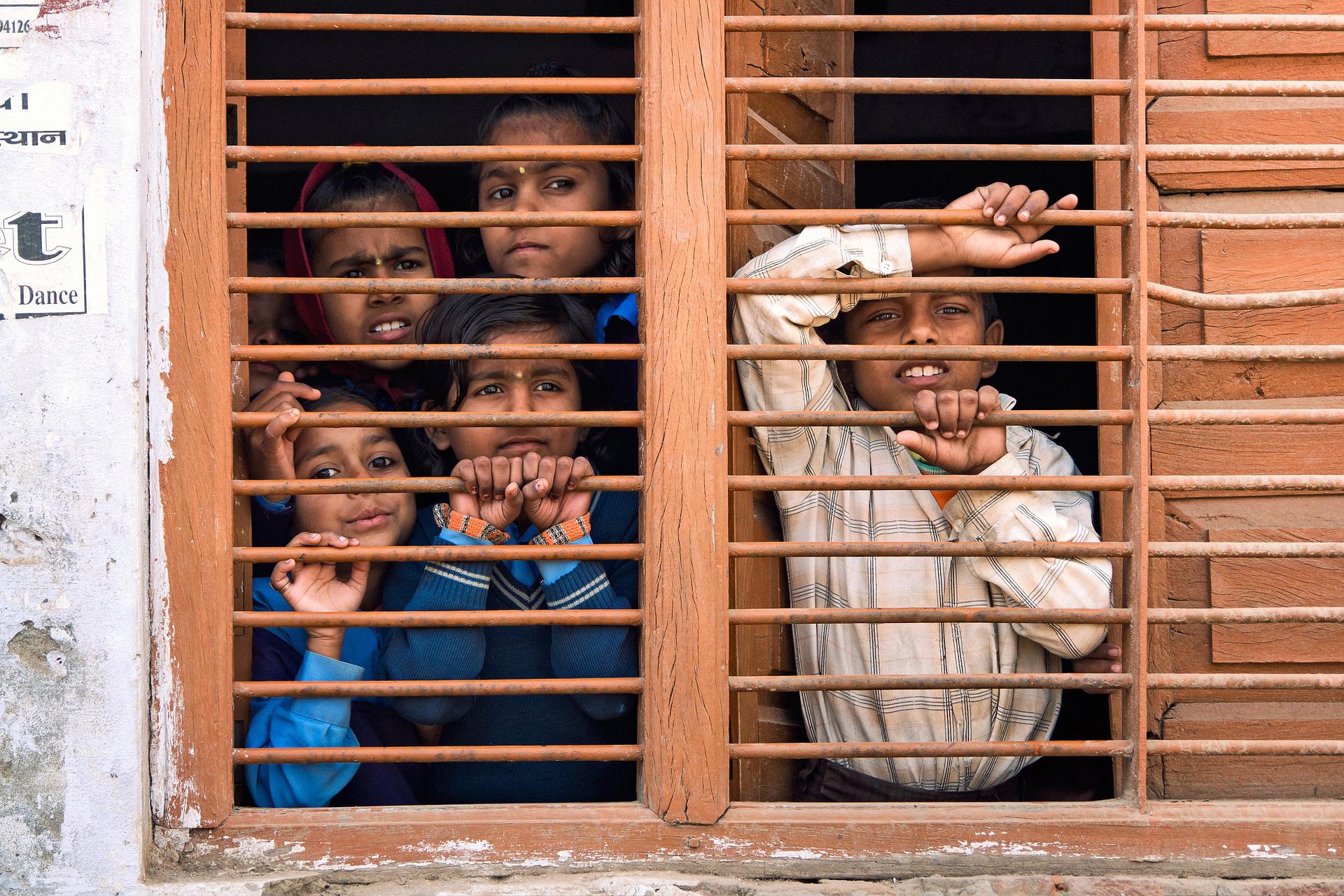
Teenager truancy, skipping or wagging school
Your child might miss a day of school every now and then - that's pretty normal. But if it happens a lot, you could be looking at or truancy or 'school refusal'. By supporting your child to attend school regularly and working on any concerns together, you and your child can make the most of education.
More at: raisingchildren.net.au

Tackling teen truancy
Every day, hundreds of thousands of students across the United States are absent from school without a legitimate excuse. Every year, cities, states, and school districts across the country announce new initiatives designed to entice, counsel, threaten, or coerce kids into attending school...
More at: www.educationworld.com
Truancy : Recommendations for prevention and intervention
Since truancy may occur for various reasons, it is important to understand why a particular student is not attending school. Interventions should be collaborative and include the student, family, school, community and law enforcement, when necessary...
More at: www.education.udel.edu































Comments
Edit
Comment Flag
Cancel Update