
Emotional milestones for your child. Here are some important pointers to watch out for
Amrita Gracias
Smiling, playing, and other social interactions are significant achievements for infants and toddlers. Find out if your child is crossing these age-appropriate emotional milestones on time

Emotional development is all about being aware of one's feelings and emotions, and learning how to express and manage them. It also involves understanding and responding to the emotions and feelings of others.
Emotional development begins during infancy and continues through childhood. There are numerous factors that influence the development of emotions in children. How parents and primary caregivers interact with and respond to children plays a vital role. Other important factors include the child's abilities and disabilities, opportunities for social interactions, temperament, and social-cultural influences.
How a child is developing emotionally is measured with the help of emotional development milestones. Here are some of the age-appropriate milestones for you to understand what your child should achieve within the first five years after birth.
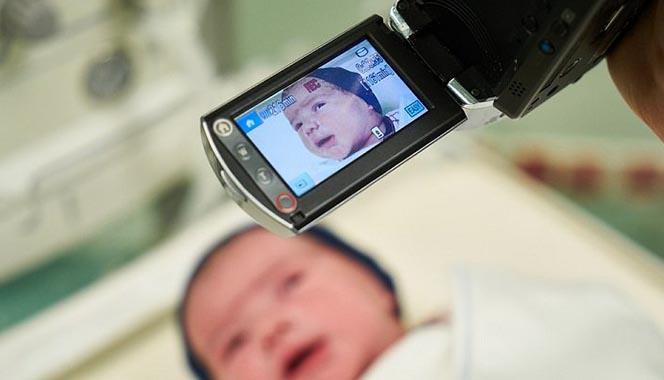
0 - 3 months:
- Responds positively to touch
- Establishes eye contact
- Can be comforted by a parent or someone familiar
- Begins to enjoy interactions and smiles to express pleasure
- Cries for attention or to meet needs like hunger, sleep
Concerns: Child does not focus eyes on a person or object; does not respond to touch
4 - 6 months:
- Smiles spontaneously
- Responds to name
- Initiates interactions
- Attempts to vocalize while responding to interactions and play
- Expresses displeasure by crying when interactions stop
- Differentiates between familiar and unfamiliar faces
Concerns: Child does not smile; does not express pleasure at the sight of familiar people
7 - 9 months:
- Begins to express and understand different emotions
- Responds to verbal communication and gestures
- Shows preferences for familiar people
- Displays anxiety when separated from parents or the primary caregiver
- Smiles and gestures to self in the mirror
- Shows displeasure when she does not get what she wants (for example, toys)
Concerns: Child does not smile or respond to the voice of parents or caregiver; does not enjoy close contact; does not gesture
10 - 12 months:
- Imitates simple actions
- Starts to prefer some people over others
- Enjoys simple rhymes and games like peek-a-boo
- Hands over a toy or book to express the need for interaction or play
- Begins to understand the meaning of 'no'
- Responds to simple verbal instructions
- Begins to test responses of parents or primary caregivers
Concerns: Child does not make eye contact; does not respond to name; shows limited or no response to interactions
1 - 2 years:
- Refers to self by name
- Shows intense affection for parents and fondness for familiar people
- Imitates adult behaviors while playing
- Initiates interactions with others using gestures or familiar words
- Can play by himself
- Expresses assertiveness by directing others
- Expresses pleasure and pride at accomplishments
- Shows a wider range of emotions like joy, sadness, anger, fear, anxiety, or even empathy
- Attempts to comfort others in distress
- Attempts to help with simple tasks
Concerns: Child cannot focus on an activity; requires constant attention; does not imitate actions
2 - 3 years:
- Begins to explore the world around confidently
- Begins to show awareness of own feelings and those of others
- Can be assertive about preferences
- Can differentiate gender
- Shows interest in playing alongside children rather than playing with them
- Continues to be possessive about things
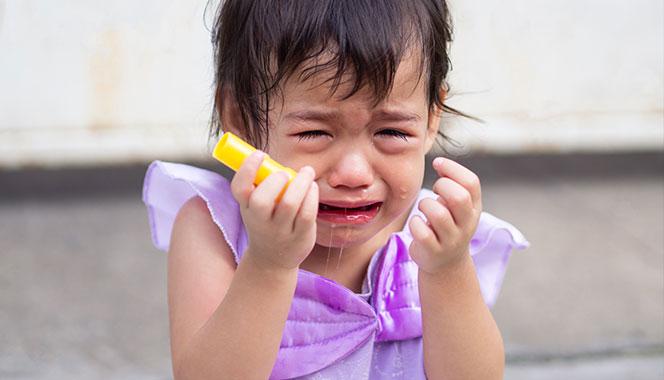
- Begins to assert independence by throwing temper tantrums
- Begins to obey rules
- Engages in pretend to play with objects
- Displays caution in the presence of strangers
Concerns: Child shows no interest in interacting with other children; displays abnormal aggression, with frequent tantrums
3 - 4 years:
- Shows interest in playing with other children
- Can initiate play with others or willingly join a group
- Shows willingness to share toys
- Is able to verbalize emotions
- Displays a caring attitude towards parents, friends, and familiar people
- Separates easily from the parent in a familiar environment
- Is proud of own achievements and accomplishments
- Is confident of speaking and talks loudly
Concerns: Child refuses to play with other children; is passive and fearful; displays severe anxiety at separation from parents or caregivers
4 - 5 years:
- Shows more interest in other children and develops friendships
- Chooses friends and prefers some over others
- Is interested in exploring differences in gender
- Begins to understand the difference between make-believe and reality
- Begins to understand the difference between right and wrong
- Begins to understand morals such as fairness and, good and bad behavior
- Becomes more aware of feelings of others
- Is able to connect feelings with actions
- Is able to have more control over emotions like frustration and anger
Concerns: Child still shows no interest in playing with other children; shows no signs of interest in activities that children this age enjoy; is extremely dependent on parents or caregivers for everything.
Do keep in mind that these developments take place within a certain age range and that slight delays are normal. These accomplishments also depend a lot on the support and understanding of parents and caregivers within the home environment.
Children learn to recognize and express their feelings when allowed to explore their own emotions. This helps them become more aware of others' feelings and develops a sense of empathy. Do help your child learn to regulate emotions such as anger, aggression, and frustration. Most importantly, children model their expression of emotions based on how their parents do so. So, remember that you need to manage your own emotions appropriately to be a good role model.
If you find that your child is lagging behind in achieving age-appropriate milestones, don't hesitate to contact your pediatrician. Timely diagnosis helps in identifying areas of concern that might require intervention.
The Dot SEL program is dedicated to the concept of social-emotional learning for kindergarteners. The program emphasizes the importance of developing young children’s social and emotional skills such as self-awareness, self-regulation, and self-management. The SEL program helps LKG and UKG students cultivate pro-social behaviours in a supportive learning environment.
























Comments
Edit
Comment Flag
Cancel Update