
How To Help A Child Who Is Bullying Others: Understanding Causes And Effective Solutions
Susan Philip
Worried that your child may be bullying others? This guide explains why children bully, the warning signs you shouldn’t ignore, and practical solutions to help your child develop empathy, respect, and healthier ways of relating to others
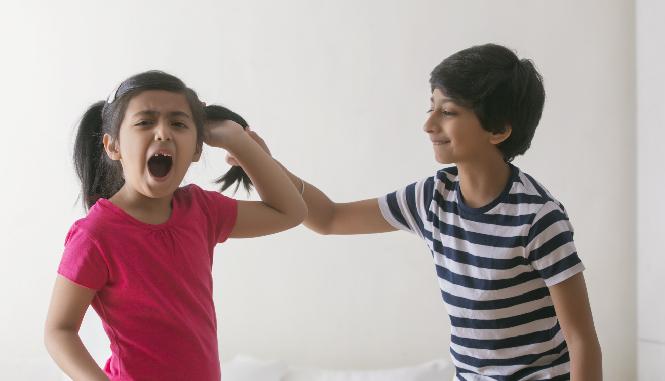
The Bar Association of India defines bullying as systematically and chronically inflicting physical hurt or psychological distress on one or more students. It goes on to say that the act of bullying may involve, but is not limited to, teasing, social exclusion, threat, intimidation, stalking, physical violence, theft, sexual, religious, or racial harassment, public humiliation, or destruction of property.
Bullying is a problem in schools worldwide, and India is no exception. A nationwide study conducted in 2015 by the Indian Market Research Bureau (IMRB) and ParentCircle revealed that one-third of school children were bullied. In a survey conducted by the Teacher Foundation and Wipro Applying Thought In Schools (WATIS) in Bengaluru, Mumbai, Chennai, Bhopal, Guwahati, and 10 other cities over five years, 42% of children between the ages of 8 and 12 years admitted to being bullied in school. Kshirsagar et al published a study titled, 'Bullying in schools: prevalence and short-term impact', in the journal Indian Pediatrics (2007). The study included children in the 8–10 year age group from three randomly selected public and private schools in a rural area. The findings of the study revealed that there was no significant difference in the prevalence of bullying amongst boys and girls in co-education schools, though the incidence was appreciably lower in all-girls schools.
As parents, we always tend to worry about our children falling victim to bullying. But, what if it was the other way round and our child was the bully? We would need to be just as worried even then.
Why some children become bullies and what parents should know
Common emotional and environmental triggers
Many factors can push a child to become a bully; however, the intention behind bullying is usually the same—to cause hurt to the victim.
In the case of a young child, bullying is usually a reflection of similar behavior they may have observed in adults around them. It may also be that abuse is the norm in the environment in which the child is living.
In slightly older children, however, the motivation for bullying may be more complex and could stem from various factors. These include:
- A broken or dysfunctional family
- Lack of attention
- A privileged background with no encouragement to be empathetic
- The desire to be accepted by one or more established bullies
An interesting fact about bullies is that they tend to bully those whom they believe won't complain about the mistreatment being meted out to them.
Warning signs that your child may be bullying others
If you are sensitive to your child's behavior, you can pick up signals that tell you that they are engaged in bullying, even before you get to hear about it from others. Some behaviors that you should watch out for are:
Behavioral red flags at home
- Disinterest in positive pastimes
- Display of abnormal levels of defiance and aggression at home
Clues from your child's social interactions
- Inability to tolerate even gentle teasing by family and friends
- A tendency to display cruelty towards pets and younger siblings
Also, if you find that your child possesses stuff that you haven't bought them and is vague about where they got it from, your parental antennae should go up.
What to do if you discover your child is bullying
Responding calmly and avoiding denial
Our instinctive reaction is one of denial and disbelief. But, control that knee-jerk response and take the complaint seriously. Make an effort to find out if the complaint is true. For it may have serious consequences for your child, such as difficulty establishing and sustaining healthy friendships and bonds.
So, the sooner you understand the underlying causes and address them, the better the chances of your child being able to shun the undesirable behavior and adopt positive qualities instead.
Practical ways to help your child stop bullying
Connecting emotionally and talking about empathy
Make sure that you spend enough time with your child every day. During these conversations, try to understand what makes them indulge in bullying. Is it a way of seeking your attention, or is it a reflection of similar behavior demonstrated by adults around them? Once you understand the cause, take appropriate steps to correct the situation. You can begin by sensitizing them to how their actions hurt the victims. You can do this by helping them put themself in other's shoes.
Encouraging respect for differences
Encourage your child to re-establish broken bonds by sharing their favorite toy with the victim, or inviting them to a birthday party or a visit to the zoo. If your child is picking on others merely because they are different in looks, stature, way of speaking, interests, and so on, help them understand that diversity is to be valued and that every human is to be treated with respect. The best way to teach this is to model the behavior yourself.
Guiding your child toward positive friendships
Find out more about your child's close friends. If they are aggressive towards others, your child could be following their lead to earn their respect or be accepted as a part of the group. Use patience and tact to get them to break away from such company and become friends with better-behaved children.
When to seek professional help
If you find that you are unable to solve the problem on your own, it would be a good idea to talk to your child's teachers and the school psychologist about how best you can all work together to sort out the issue.
Supporting your child with love and consistency
Focusing on behavior—not the child
Taking corrective measures early will help your child overcome the tendency to bully and feel accepted and valued. Whatever the trigger for your child to indulge in bullying, ensure that you love them, and it's only the behavior that you disapprove of. Support them to overcome the bullying behavior by being sensitive and committed.
Teach Kids to Say No To Bullying — Discover Practical Guidance for Parents & Teachers.
Last updated on: December 09, 2025
Discover our health and safety program for pre-primary children at The Dot Learning Circle, designed specifically for LKG and UKG students. We focus on building children’s awareness of safety protocols in different situations, understanding personal space and safety, and the importance of getting help when needed. Our engaging curriculum ensures young children learn essential safety skills.




























Comments
Edit
Comment Flag
Cancel Update