
How To Celebrate Diwali As A Family And Create Happy Memories For Your Child
Deepika Mohan
This Diwali, discover warm, joyful, and meaningful ways to strengthen family bonds and create moments your child will treasure forever. Festive celebrations are the most fun way to instill family values, traditions, and build your child's life skills
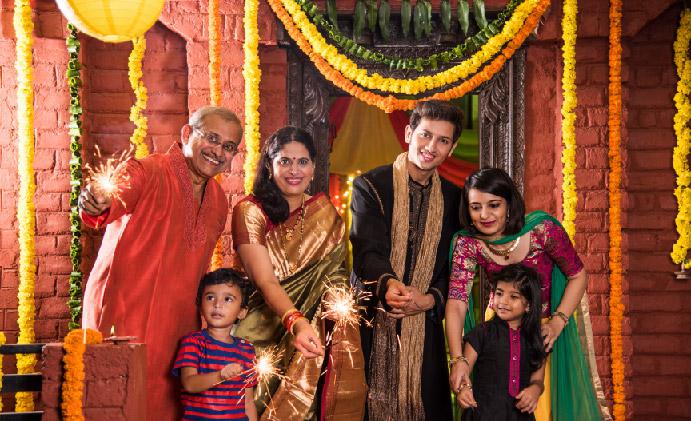
My fondest memory of Diwali is spending a beautiful day with my family at my grandparents' home. That was years ago. Things have changed now. Today, I am faced with time constraints and logistical issues when it comes to celebrating the Festival of Lights. It has become difficult to bring the entire family together on Diwali. At least, the happy memories of my childhood Diwali celebrations remain. That keeps me going.
Diwali is celebrated differently across India and by different families. For some, it is Lakshmi pooja and family gatherings; for others, it is special foods, oil baths, diyas, visiting relatives, exchanging sweets, or simply spending time together. Whatever your family's traditions, the festival offers an opportunity to pause, come together, and celebrate what matters.
"Diwali is a celebration of the victory of good over evil. Diwali is a great time to remember these stories. As a community, it's important to celebrate together and share the joy," says Aparna Samuel Balasundaram, psychotherapist.
Why Diwali memories matter to children
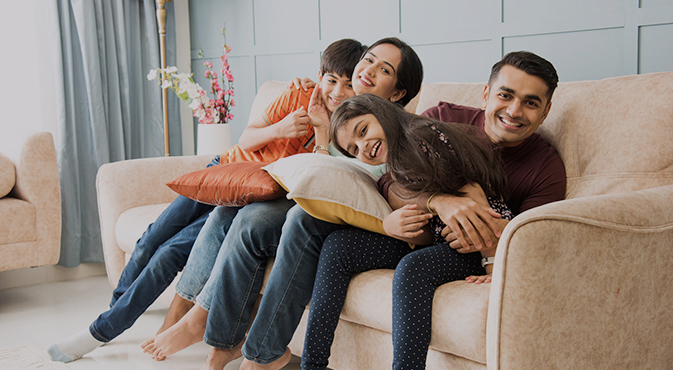
Families that celebrate together stay together and create opportunities for children to experience a sense of belonging. Festive family celebrations can:
- Establish a family's identity through its unique traditions and rituals
- Provide time for love, joy, laughter, fun, and sharing
- Give grandparents opportunities to share traditions and stories
- Help children understand their family's roots and cultural practices
- Build connections with relatives, friends, and the wider community
"Celebrations are wonderful ways to have our deep physical, social, and psychological needs met. The extraordinary things we do add meaning to our lives. Besides the fun, excitement, and warm memories, celebrations link the culture and traditions of people from the past and the present. They help us seamlessly transmit family values and find our place in the circle of life. Coming together to celebrate a festive occasion reinforces family relationships, provides ample opportunities for bonding and nourishes emotional attachments," says Arundhati Swamy, counselor and Head of Parent Engagement Programmes, ParentCircle.
Happy memories of shared experiences can become a source of comfort and connection as children grow. They also give children stories about their family that they can carry forward and, perhaps, recreate with their own children one day.
"We come together to celebrate because children can look at the larger picture of a family, other than just mom, dad, herself and her sibling," says Aparna.
"We come together to celebrate because children can look at the larger picture of a family, other than just mom, dad, herself, and her sibling," says Aparna.
7 ways to create meaningful Diwali memories with your child
Planning or attending a family reunion, especially today, can be tiresome. But a little effort can go a long way in making Diwali memorable. You don't need an elaborate celebration. Often, children remember the simpler things.
1. Create a simple family tradition
Family traditions become enjoyable when everyone comes together. However, it's okay if you cannot spend Diwali with your extended family. Just bring your immediate family together.
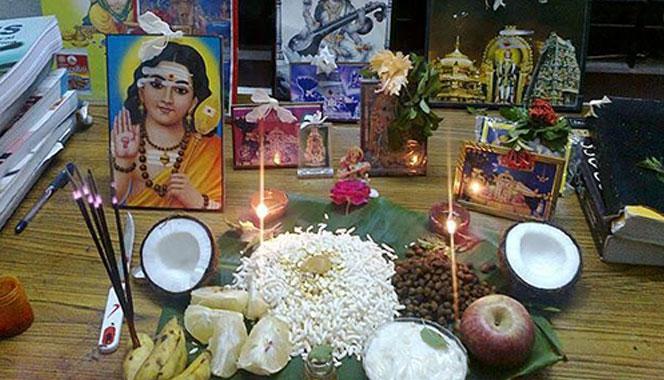
"Instead of buying sweets, even if you are making one kind of sweet for Diwali, make it with your child. While making sweets, you can talk to them about what Diwali is and why you celebrate. So, this is a great storytelling and bonding time with your child as well," says Aparna. Involve younger children in artwork, like making a rangoli outside. It doesn't have to be perfect, but it must be meaningful. When doing pooja at home, involve your child in setting it up. This is more inclusive. Give your child small tasks and appreciate them once completed."
A family tradition doesn't have to be elaborate. It could be making one special sweet together, lighting diyas, making a rangoli, or taking an annual family photograph. Traditional practices also help initiate conversations and encourage your child to ask questions and share their thoughts.
2. Bring generations together
Diwali is a wonderful opportunity for children to spend time with grandparents and other elders in the family.
"My grandmother lives in Pune, and she finds it difficult to travel due to her health conditions. Ten years ago, my entire family visited her during Diwali. My children and I had fun playing carrom and UNO with my grandmother. It was an enjoyable day," recalls Ramesh from Chennai.
Sounds like a good idea? It's your chance to help your child create happy memories with their favourite elders.
Grandparents can tell children how they celebrated Diwali when they were young, share family stories, explain traditions, or show them an old family photograph or heirloom. These conversations help children understand their family's roots.
3. Make time for play and laughter
The best family celebrations don't need elaborate entertainment. Bring back traditional childhood games. Play carrom or cards, sing antakshari, dance together or organise a family game night. You could even practise a dance routine with your child and perform it for the rest of the family.
The activity itself is not the important part. It is the laughter, participation, and time spent together children remember most.
4. Cook, eat and share
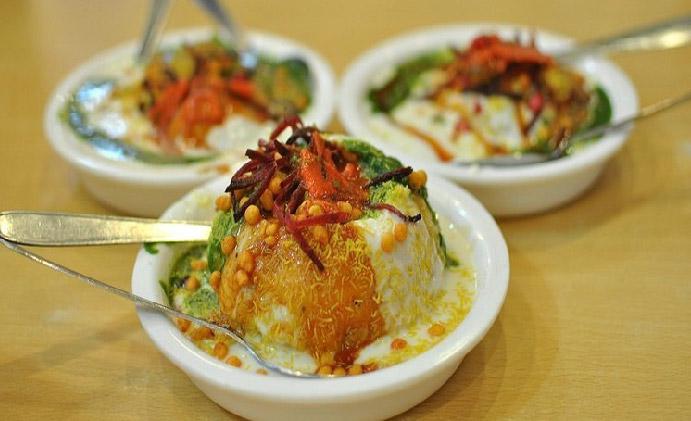
Food is an important part of many Diwali celebrations. Instead of leaving all the preparation to adults, involve children wherever appropriate.
Make one sweet together, ask a grandparent to share a family recipe, or let your child help set the table. If you are having relatives or friends over, consider a potluck and ask each family to bring a dish that is special to them.
Ask grandparents, "What did you eat during Diwali when you were a child?" A simple question can open the door to family stories and memories.
5. Make giving part of your celebration
Choose a cause or an organization close to your heart and discuss it with your family. Spend at least part of the Diwali day doing something thoughtful for others.
"Use the festival as an opportunity to share. Give back to those who do not have as much as you. This is a great opportunity for a family to serve others instead of just giving money. This helps your child build a sense of gratitude," says Aparna.
Your family could donate books or clothes, support a community initiative, or prepare something to share with others. The important thing is to involve your child in the act of giving and talk about why your family considers it meaningful.
6. Stay connected when loved ones are far away
While it may be easier to get everyone from various parts of India together, it can take a lot of planning and time for relatives abroad to travel to India.
So, why not have a live video session with them?
Let grandparents tell the children a Diwali story. Show each other your decorations and festive clothes, or light diyas at the same time. Younger children can share how they are celebrating Diwali and learn how the Festival of Lights is celebrated in another city or country.
Technology cannot replace being together, but it can help families stay connected when distance makes physical gatherings difficult.
7. Make the celebration your own
If travel is part of your family's Diwali tradition, visiting relatives or a short family getaway can be a wonderful way to spend time together. You don't need to travel far. A nearby destination or city can offer children a chance to experience how Diwali is celebrated elsewhere.
"Travelling is one of the best ways to create a good rapport with your near and dear ones, especially your child. Children hardly get time to spend with working parents. Taking a break and visiting different destinations with your child creates feel-good memories. They also learn life skills from real-time experiences," says Jayanth Sharma, co-founder and CEO of Toehold, a travel and photography company.
Whether you stay home, visit family, or travel, choose what works for your family. The goal is not to create a spectacular Diwali, but a celebration your child associates with love, belonging and togetherness.
Don't let the pressure to celebrate perfectly take away the joy
Festivals are meant to be celebrated. Let your child play, watch a movie, help with decorations and other preparations, and have fun with the rest of the family.
"Sometimes, festivals can cause more stress than happiness. You start thinking about what to wear, shopping, and tidying up the house. You also get caught up in rituals and forget the very essence of celebration: enjoying each other's company. That is something you should be careful about as parents," says Aparna.
Family togetherness makes the celebrations truly special
Rangoli cut-outs, sweets and savouries—almost everything is readily available in the market. There is nothing wrong with taking shortcuts when you need to. But if you can, try to preserve a few homemade festive experiences for your child.
"Everything is in fast-forward mode for us, including our festivals and celebrations. Diwali is treated as just another day, and there is no planning around it," says Aparna.
You don't have to do everything. You don't have to host everyone. You don't have to recreate your childhood Diwali. Choose what works for your family and make space for the people and experiences that matter.
Keep Diwali activities safe and age-appropriate
Festive activities are a wonderful way to involve children, but safety must come first. Choose tasks based on your child's age and abilities, and keep an adult close by during activities involving heat, flames, sharp objects, or crowds.
Diyas and candles: Place them on stable surfaces away from curtains, paper, decorations, and other flammable materials. Let young children help decorate or place unlit diyas, while an adult handles lighting.
Cooking: Give children simple, age-appropriate tasks such as mixing, decorating, or arranging food. Keep them away from hot oil, stoves, and other heat sources.
Rangoli and decorations: Use child-friendly materials and keep walkways clear to prevent slips and falls.
Firecrackers: If your family chooses to use them, follow local rules and safety instructions, and ensure adults supervise them. Keep a safe distance, use only legal products, and never allow children to handle fireworks on their own. Ear protection may also comfort young children who are sensitive to loud sounds.
Younger children: Avoid giving babies and toddlers access to small sweets, decorative objects or other items that may pose a choking risk.
The aim is not to avoid festive fun, but to make sure children can participate in ways that are safe, comfortable and appropriate for their age.
How families celebrate Diwali
On Diwali, we try to stay together as a family. We eat more sweets than usual and burst a lot of crackers. We wear new clothes and also give new clothes to the needy. We do not receive gifts from relatives. My children do not help around the house voluntarily, but they help when we request them. — Meena, Chennai
Nothing much has changed about the rituals on Diwali except for the timings since we live abroad. My two-year-old daughter looks forward to tasting the little bits and pieces of sweets we give her. Although she is too young to help now, I'm sure she will be excited about the festival and help out as she grows older. — Ramani, Melbourne
I travel to my native place to visit my parents during Diwali. I meet my older sister there. We greet each other and then exchange sweets. On the third day, which is the most important day of Diwali for us, we perform the Lakshmi pooja. My children are usually very excited and help decorate the house. They look forward to the oil bath ritual because I've explained the history.— Prasad, Bangalore
Your Diwali memory-making checklist
- Choose one simple family tradition to repeat every year.
- Let your child participate in the celebration.
- Make time for grandparents and other loved ones.
- Cook or prepare something together.
- Play a game that everyone can enjoy.
- Do one thoughtful act of giving as a family.
- Connect with relatives who live far away.
- Don't worry about making everything perfect.
- Ask your child, "What was your favourite part of Diwali?"
Give your child memories, not a perfect Diwali
We can come together as a family to celebrate Diwali.
Enjoy the festival instead of stressing over the planning and preparation. Your child may not remember whether the house was perfectly decorated, whether every dish was homemade, or whether everyone wore coordinated clothes.
But they may remember sitting beside their grandparents, making sweets with you, laughing over a family game, lighting diyas together, or listening to a story they had heard many times before.
Diwali is about creating happy and positive memories. So, give your child plenty of great memories to carry forward.
This article was featured in the September 28, 2025, edition of The Free Press Journal
Last updated on: September 28, 2026
























Comments
Edit
Comment Flag
Cancel Update