
Importance Of Play In Early Childhood Development: How Play Shapes A Child’s Growth
Dr Priscilla J S Selvaraj
Play is more than fun. It’s how young children learn, grow, and connect. Discover the importance of play in early childhood development and how it builds creativity, confidence, and lifelong learning skills
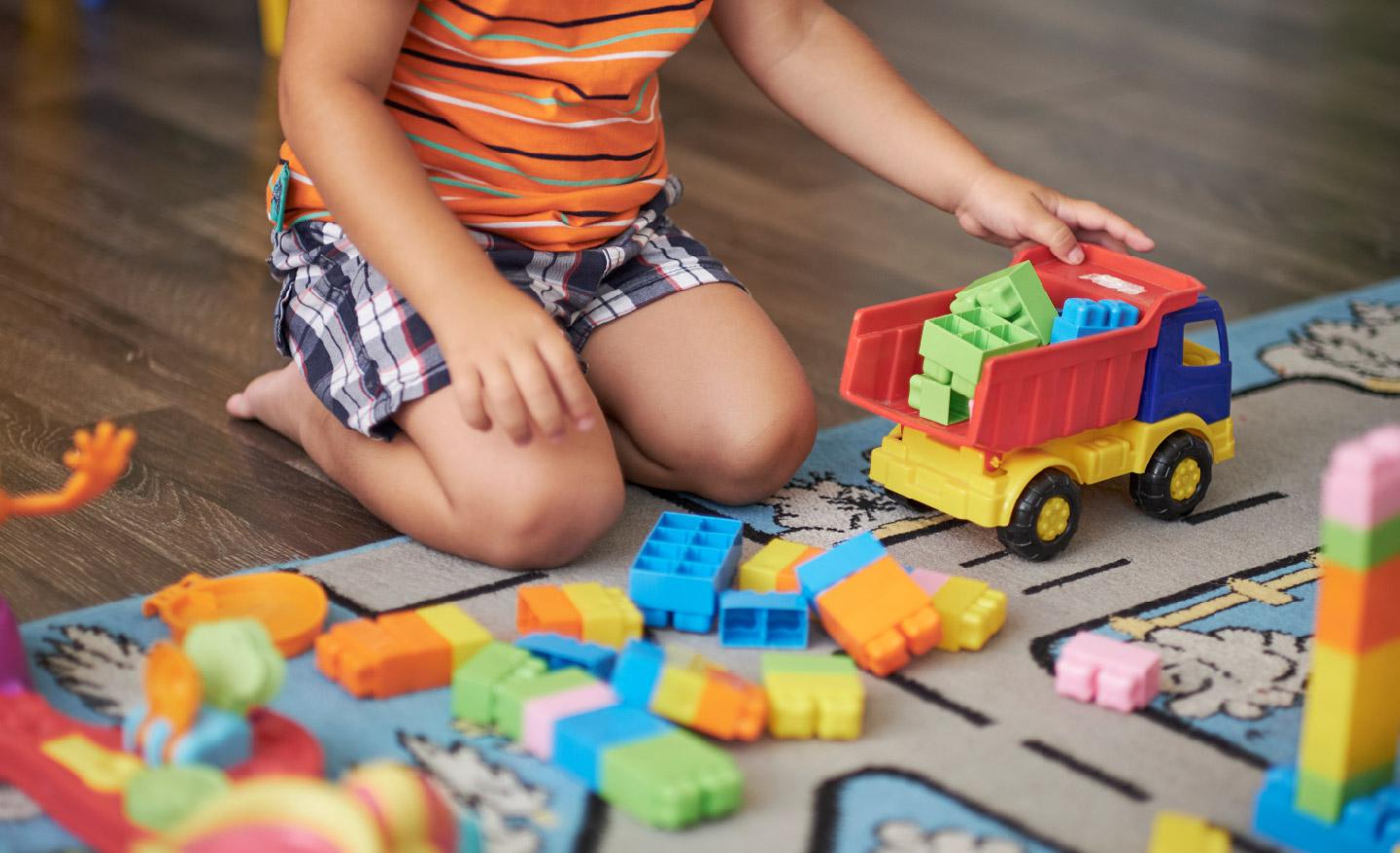
"Play is the work of the child," said Maria Montessori, who propounded the play-way method of learning. Quite true. The best activity that children can engage in is play.
Why play matters in early childhood
Sally C Hurwitz, in her article titled, 'To be successful: let them play!' published in the journal Child Education (2002), makes this statement: "While play may seem like a frivolous activity, it is an important medium for young children's learning. It is a significant contributor to the child's cognitive, physical, emotional, and social development."
The benefits of play in early childhood are also mentioned in detail in a study titled 'The Importance of Play in Promoting Healthy Child Development and Maintaining Strong Parent-Child Bonds' by author Kenneth R Ginsburg. This 2007 study was published in Pediatrics, the official journal of the American Academy of Pediatrics.
Of course, when we say 'play' we are referring to good old indoor and outdoor play activities such as playing with toys and building blocks, board games, hide and seek, hopscotch, and so on. This 'play' excludes the child burying himself on the couch and being hooked to online games or other gadgets. It is healthy play that proves beneficial for children. So, let us explore the benefits.
How play shapes a child’s growth and learning
Early childhood play is essential for the overall well-being of your child. The benefits of play in early childhood include the positive impact it has on the cognitive, physical, social, and emotional aspects of your child's development.
Physical development
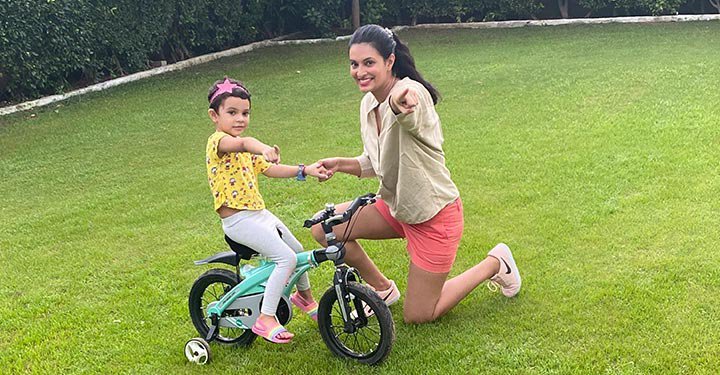
When your child is engaged in play, their physical development is ensured. Holding, gripping, and grasping toys and other playthings develop fine motor skills. When it comes to the development of gross motor skills, a host of activities are involved, like running, jumping, skipping, hopping, throwing the ball and other playthings, pulling or lugging the toy cart and other large objects, pedaling a tricycle, and so on.
All these activities help your child gain muscular control, balance, better coordination between the limbs, and control over body movements.
Cognitive development
The brain is as active during play as it is during study. For play involves focus, concentration, memory power, and logical thinking. Also, all childhood play activities - playing with toys, arts and crafts, and role-play stimulate your child's imagination, creativity, and divergent thinking. Thus, play ensures wholesome cognitive development for your child.
Several research studies back this up. One such study was done as early as 1949 by Donald O Hebb, the Canadian psychologist. In an experiment, he found that when rats were housed along with toys, it stimulated the growth of their brains, particularly the cerebral cortex, which is associated with learning and memory. Other studies have also supported this finding. However, it has not been possible to duplicate this on human samples on account of scientific ethics.
Linguistic development
- While playing, children interact with each other. This helps improve their communication skills, especially listening and speaking. Even when they are engaged in pretend play with their dolls, their linguistic skills are involved.
- When engaged in role-playing, they learn to deliver dialogues with the right tone and voice modulation. Thus, it hones their pronunciation skills. They also pick up new vocabulary as they engage in varied play activities. Therefore, their vocabulary expands.
Emotional development
Whether it is clapping his hands in glee, clenching fists in anger, or tugging hair in frustration, all play activities involve expressing your child's emotions. Apart from expressing emotions, your child will also learn to manage emotions and impulses, two important life lessons. Also, while the successful completion of a game or winning it can give your child a 'high', the inability to complete or win the game will teach how to accept defeat in the right spirit and learn from the experience. This will make them grow up to be emotionally strong and resilient.
Social development
Whether it is games with peers or role-play activities, your child's interpersonal skills develop—to interact politely with teammates, extend courtesy to both teammates and opponents, and refrain from rough play. Play activities improve confidence and self-esteem and enable them to shed their shyness. While engaged in play, your little one also learns the importance of cooperation and teamwork and develops the all-important leadership skills. Above all, they learn to be empathetic, a very important social skill.
How different types of play help children learn and grow
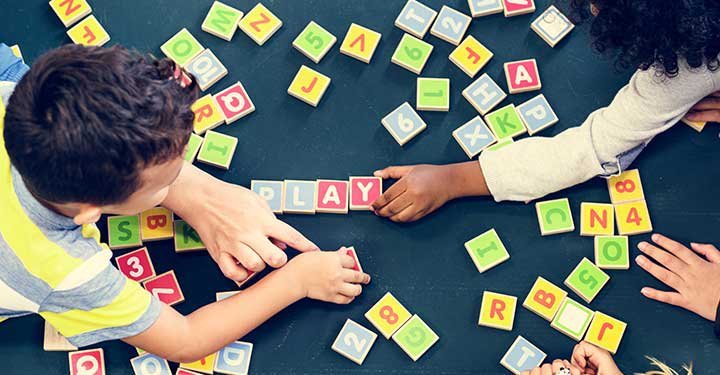
As children grow, they need to engage in various types of play to increase their opportunities to develop various skills, including social, emotional, cognitive, motor, and language abilities. These can be either indoor or outdoor play.
Indoor play in early years
Indoor play activities include playing with toys, building blocks, board games, spelling games, and jigsaw puzzles.
Outdoor play in early years
Outdoor play activities include hide and seek, hopscotch, hula hoops, balloon toss, and obstacle course.
Keeping all these benefits in mind, give your child enough and more time to play and find pleasure and joy in it.
Play is not just a fun activity. It is the cornerstone of your child’s growth and development. Through different types of play, they learn to explore the world, express their emotions, build relationships, and develop essential skills for life. As parents, creating space for both guided and free play, joining in their games, and encouraging imagination can make a lasting impact. By valuing play, you’re not only fostering creativity and learning but also nurturing confidence, resilience, and joy in your child’s early years.
Last updated on: October 15, 2025
























Comments
Edit
Comment Flag
Cancel Update