
Pretend play ideas, benefits and activities that have the power to build your child's creativity
Deepika Mohan
A stone turns into a car and a cushion turns into a book. Now, that's what a child's imagination does. Unlock the power of pretend play to help your child learn and discover concepts in a fun way
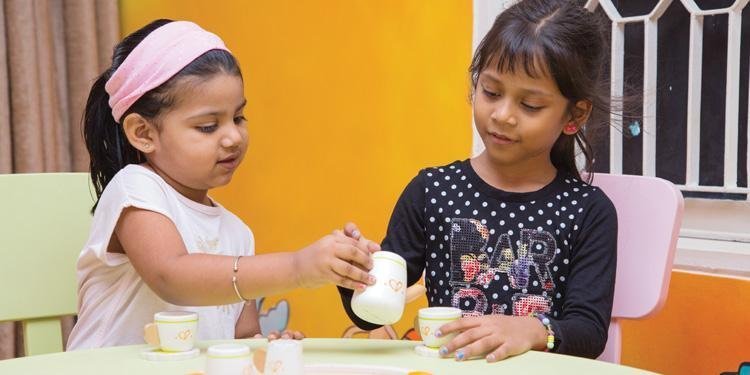
When your child enters the preschool phase, he is entering a world of 'make-believe'. These are truly the golden years of pretend and role-play. He observes those around him, makes a mental note of their actions and emotions, and enacts them. This later extends to a stage where he performs multiple acts in meaningful sequences. This is where his creativity and observation skills come to the fore. Welcome to the world of pretend play games.
"My daughter loves draping my dupatta as a saree and pretends to be me while I pretend to be her. She calls out my name and asks me to chew my food. She also raises her eyebrows (just like I do) to express anger. It is fascinating to watch her pretend to be me," says Aishwarya, mother of three-year-old Neeraja.
Types of pretend play
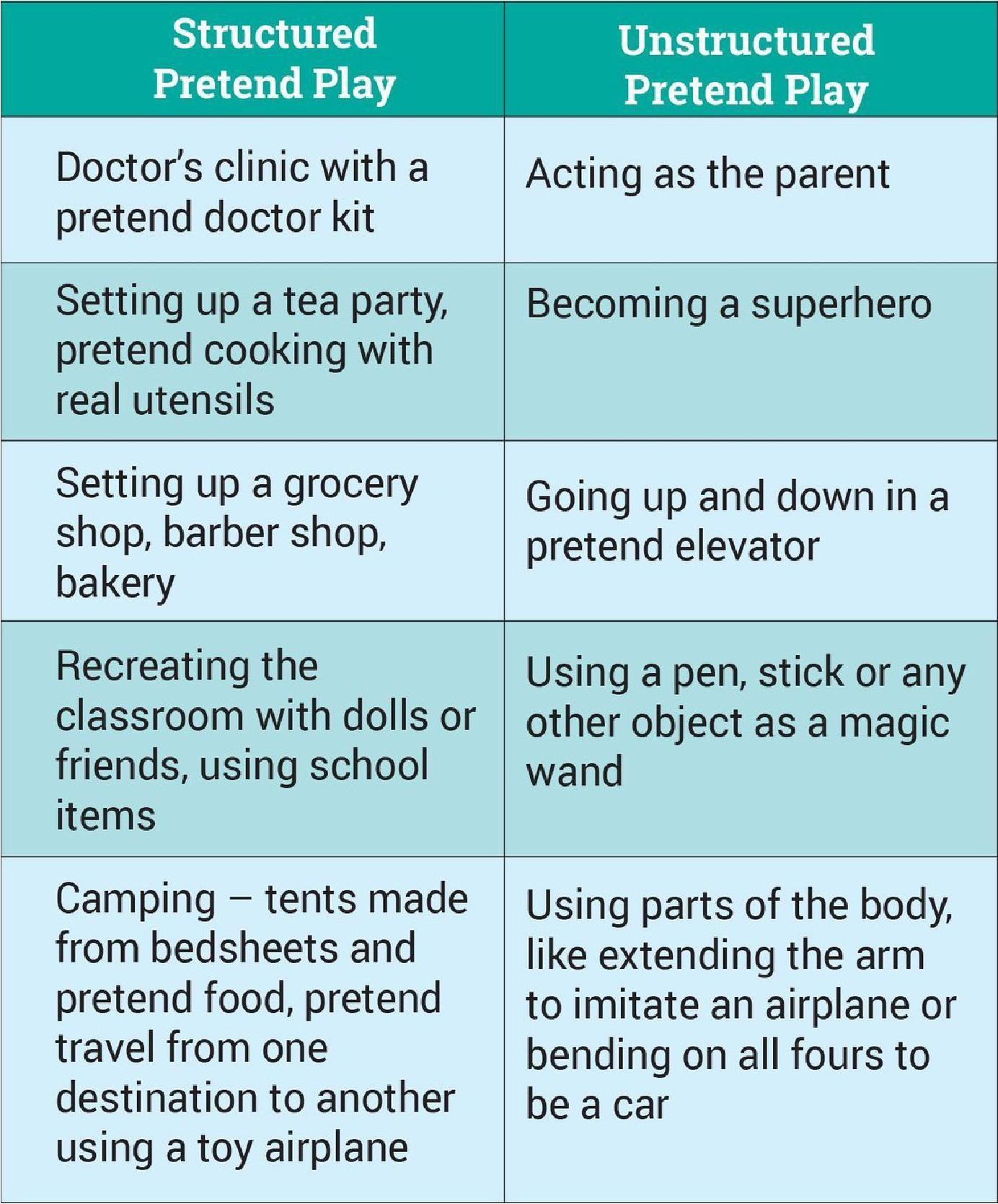
There are two types of pretend play - unstructured and structured. Unstructured play or pretend play games is when your child picks a scene of his choice. Any given object sparks his imagination. He decides what it should be, takes up a role, and creates a surrounding to fit his imaginary scenario. A red cloth can turn your child into Superman. Likewise, a pen can turn into a spoon to stir tea. In short, children can reap the multiple benefits of imaginative play.
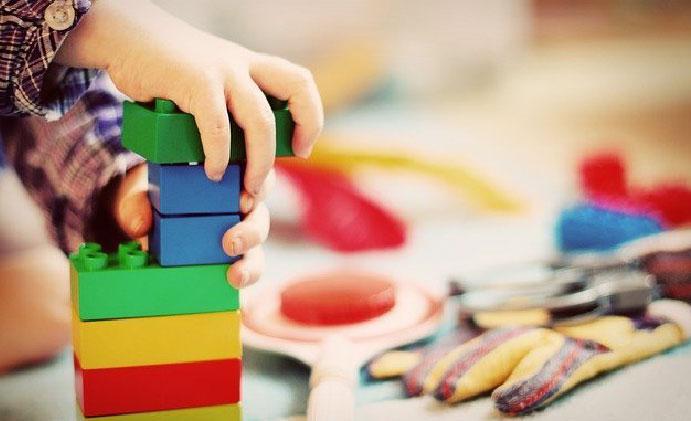
"My son loves to make a tall structure using building blocks. He calls it his fort. He pretends to be Baahubali who protects the fort from enemies. He then takes a long spatula, spoon, and whisk to use as weapons and fight the imaginary enemies. We teach him the importance of non-violence but sometimes we just let him play the way he wants to while keeping a close eye on what he says and does," says Satish, father of four-year-old Akash.
Structured play, on the other hand, has a pre-determined set and a defined outcome. As a parent, you might set up a tea party using cups, saucers, and a teapot. Your child then decides whether she is the host or the guest, and assigns roles to you and her dolls. As can be seen, the tea party here is a defined set, and your child pretending to be a host or a guest is the desired outcome. How she adapts to the setting, and the role and uses the limited resources adds to the learning process.
Benefits of pretend play
During unstructured play, a child learns to set his own goals, make his choices, be imaginative, and concentrate. During structured play, a child gains vocabulary and specific skill sets (depending on the game he plays), including learning basic mathematics and science.
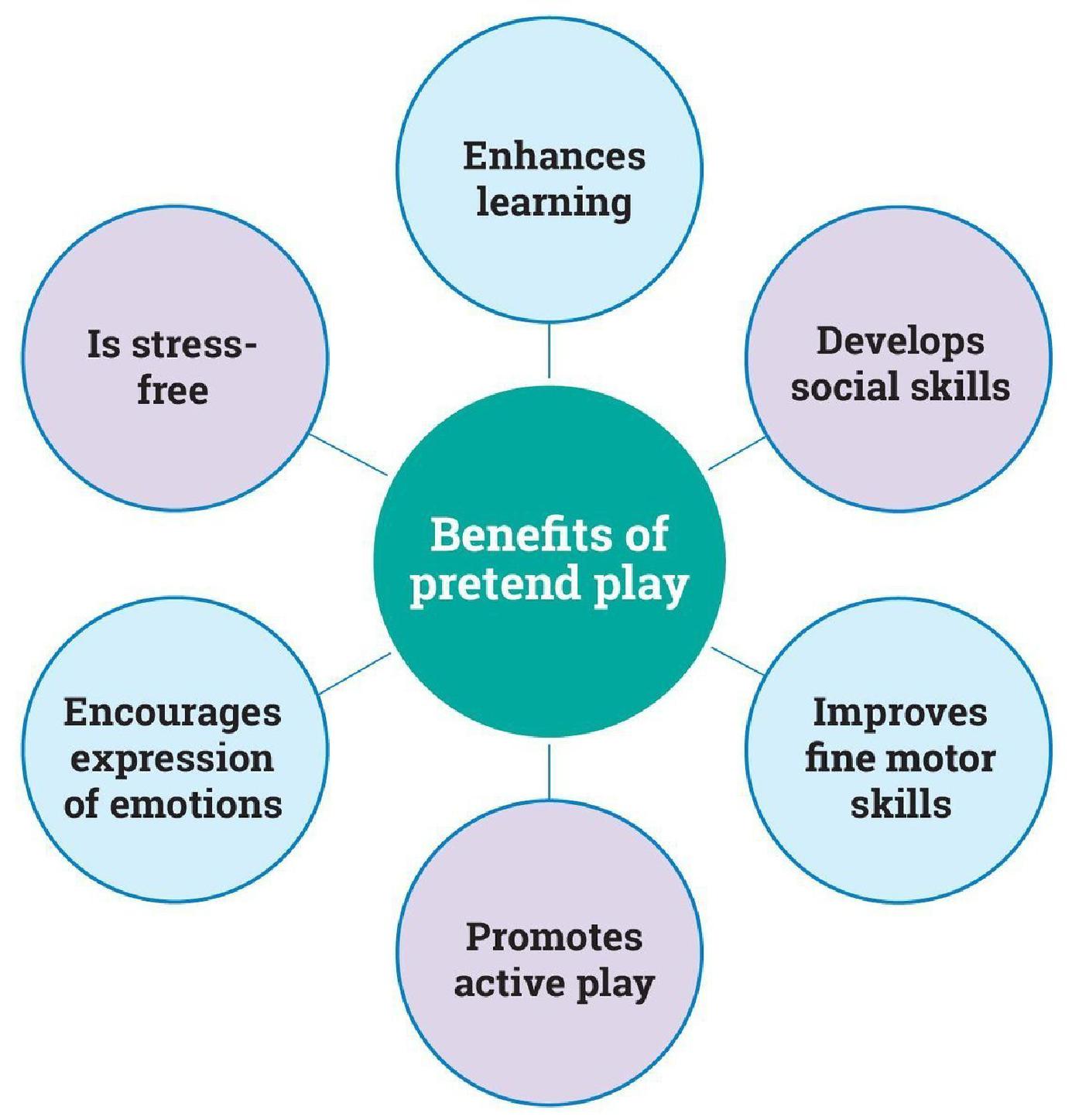
According to Dr Roshini Varghese, a registered psychologist from Melbourne, Australia, play behavior is observed in children universally - regardless of culture, socio-economic status, or ability level - and contributes significantly to the overall development of the child. The illustration above sums up the multiple benefits of pretend play.
Enhances Learning:
Children engage with the world around them when they play and explore. The learning acquired through play is often subtle, effortless, and unconscious, as opposed to putting in effort to learn from formal teaching methods. Schools are beginning to recognize this, and are making efforts to incorporate play into learning and creative tasks.
Develops Social Skills:
Pretend play helps children develop an awareness of sharing, fairness, and inclusivity. According to The Secret Language of Children written by Dr Lawrence E Shapiro, imaginary friends are considered a healthy and appropriate part of a child's development. Girls are more likely to have imaginary female friends. Boys are more likely to have imaginary animal friends. Imaginary friends help to develop language and social skills and may be an indicator of early social success.
Improves Fine Motor Skills:
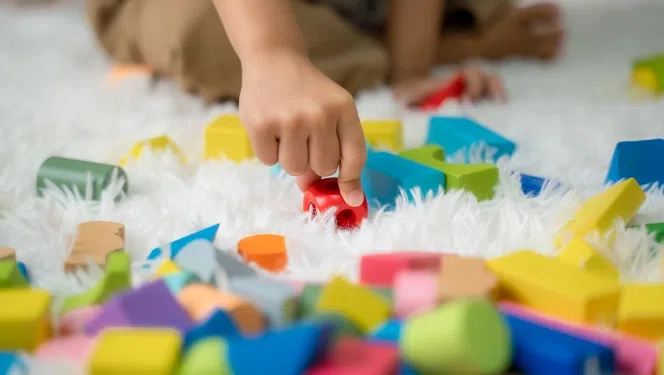
Pretend play is known to boost fine motor skills. Tasks like drawing, painting, playing with blocks, and picking up and holding objects strengthen hand-eye coordination, which is a very important element in a child's development.
Promotes Active Play:
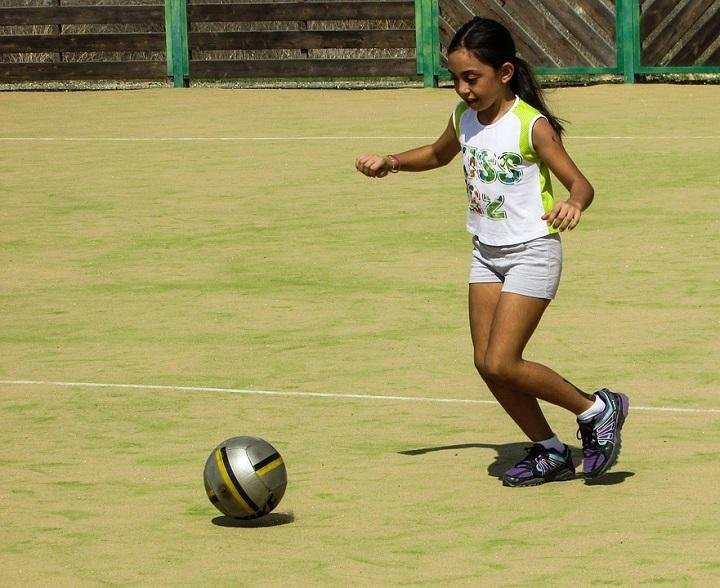
Physical and vigorous play is important for the maintenance of good health. When your son runs around the house pretending he is an airplane flying around the world, he gets to exercise and spend his energy. Children tend to be more active during pretend play since they take ownership of the game.
Encourages Expression of Emotions:
Children tend to express themselves better during pretend play. Aggressive behavior, happiness in the form of cuddling a doll, being frightened of an imaginary lizard, or pretending to be a mom who calms her son when he is crying, are all examples of emotions that are seen during pretend play.
Cooperative pretend play
Cooperative play is where two or more children interact with each other while playing a pretend game. Maha, mother of five-year-old Tanvi says, "My daughter is into reading. She visualizes herself to be a character from the book she's currently reading. However, she only wants children her age or her thatha and paati (grandparents) to participate. If she wants me or my husband to only observe, we are happy to do so. When she pretend to play with her friends, she delegates roles for each person. That teaches her to be a leader, step up, and guide them. Each child is unique and requires a different approach. It is up to the parents to observe and understand their child's mindset. I take a step back and let Tanvi make decisions and choices during her imaginary play time."
While some children like Tanvi prefer cooperative play, others enjoy playing with their parents.
It is important you give your child the freedom to choose who she wants to play with, be it her friends or other family members, or even just her stuffed toys. In the story above, Maha is the silent observer who lets Tanvi choose what she wants to do and who she wants to play with.
Parental involvement in pretend play
Let your child take the lead:
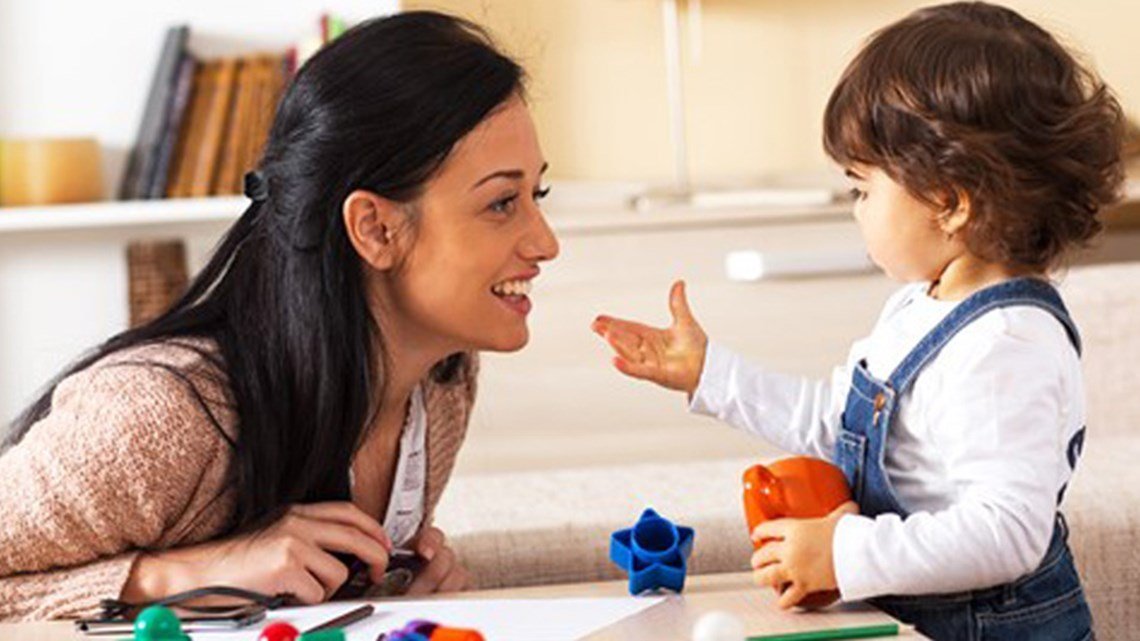
Most of the time, you are in a position of leadership and authority with your children. But, when it comes to pretend play, allow children to lead. "When you enter the children's world, use the opportunity to let them take the lead. Let them guide you towards what they enjoy most," says Dr Varghese.
Provide access to household objects as props:
Pretend play need not be expensive. Cardboard boxes can be used to build a fort. Cushions can be used to create a mountain. Give your children BPA-free plastic containers for pretend cooking and tea parties. Expect to find props in unexpected places around the house.
Role play:
Children expect you to jump right in and take up a role that they give you. You need to get into the skin of the character. They love it when parents come down to their wavelength, indulge in conversations, and build stories together.
Be patient:
Children love to play the same game again and again. If they want you to be the patient who gets an injection a thousand times, do so. It is important to show them that you are there in this 100 percent.
Help balance structured and unstructured play:
It is important that children balance both structured and unstructured play. While structured play (like a pretend doctor's clinic or a classroom) is guided by a set of instructions and actions, unstructured play sparks the imagination. Children need to have a good mix of both. It is the parent's responsibility to ensure the same.
Empower Your Child's Development with the Benefits of Play in Early Childhood.
Discover the benefits of The Dot movement and coordination program for pre-primary children in The Dot Learning Circle, designed to enhance locomotor skills, balance and coordination skills, physical awareness, and gross motor skills in LKG and UKG students.

























Comments
Edit
Comment Flag
Cancel Update