
Expert Insights On Managing Pregnancy and Birth in a Pandemic: Answers To Parent Queries
Team ParentCircle
Dr Aruna Kalra, an experienced obstetrician and gynaecologist, answers your questions and concerns on handling pregnancy and birth during the pandemic.
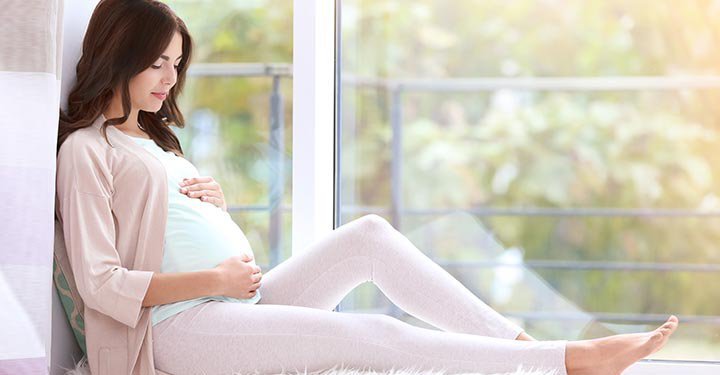
Q. I am expecting my second child in December. I am worried about my baby and me contracting COVID-19 during my delivery and postpartum care. So, I am considering home birth, with a midwife coming to my house to assist in my birth. (I had a low-risk first pregnancy, and I just turned 30.) What are the key things I should keep in mind if I opt for this route?
Arpitha, Chennai
You should consult your gynecologist to find out if home birthing is advisable in your case. Consider the following points before deciding on a home birth:
- Let a trained midwife visit your house before your actual delivery and survey the best place for delivery.
- The instruments she uses should be sterile.
- Your gynecologist should be accessible at the time of delivery.
- Ambulance services should be kept ready in case of any emergency.
Q. I am pregnant with my second child and have just completed my first trimester. I would like to limit my in-person visits to the doctor. Can you list the prenatal tests that should not be skipped and are an absolute must? Also, would it be a good idea to invest in a home blood pressure monitor, a good weighing machine, and maybe even a Doppler fetal monitor?
Poorna, Hyderabad
Here are the important antenatal visits that you should not skip:
- In 7th week - for the dating scan and initial workup
- At 11 to13 weeks - the double marker blood test to determine any chromosomal malformation in the fetus
- At 19 weeks - level 2 scan or anomaly scan
- At 24 weeks - Influenza and DT vaccines
- At 28 weeks - Triple vaccine and the growth scan
- At 34 weeks - scan
- At 36 weeks - scan
- Weekly scans thereafter
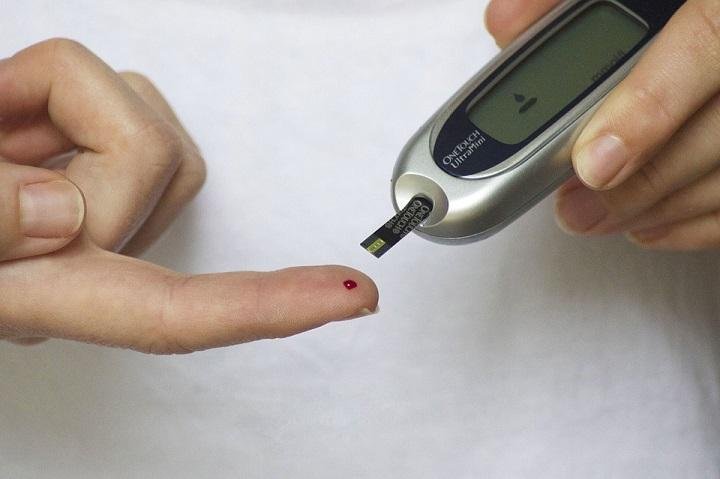
Yes, it's good to have a BP machine, a weighing machine, a Doppler monitor, and a glucometer for better monitoring at home.
Q. I would like to know what will happen if I test positive for COVID-19 right before my delivery. Can my husband accompany me to the hospital? Will my baby be separated from me right after she/he is out? Will I be allowed to breastfeed? I am quite stressed about this.
Aisha, Mumbai
If you test positive, you won't be alone. Your husband will be with you, wearing personal protective equipment (PPE). Your baby will be with you once you're wearing a PPE mask, face shield and gloves. You'll be allowed to breastfeed your baby after cleaning your breasts. But if you're not well, then you can give expressed breast milk to your baby.
Relax. You, your husband, and your baby will be given good care. No need to panic or get stressed over the pandemic.
Q. I am due to deliver in about two months. I would like to know how pregnant women can prepare for their delivery during this pandemic. Are there any specific items to take in our hospital bag? What precautions should we take to keep ourselves and our baby safe?
Manaswini, Pune
During these tough times, the most important things that you should include in your hospital bag are sanitizers, masks and gloves, in addition to the following items:
- Birth plan (a written document that lists the preferences of the pregnant woman during her labor, including whom she wants by her side, whether she wants an epidural, etc.)
- Your clothes
- Baby's clothes
- Toiletries
- Anything that helps you relax (e.g., your pillow)
Wearing a mask, cleaning your hands before and after handling the baby, bathing regularly, keeping your hospital stay short, and maintaining a positive attitude in these uncertain times can help you sail through your delivery.
Q. I have just completed six weeks of pregnancy. I am taking all the necessary precautions to safeguard myself from COVID-19, but if I somehow contract the infection, can that increase the risk of miscarriage and other complications like birth defects in my baby?
Nalini, Coimbatore
No, an increased risk of miscarriage or any congenital abnormalities in the fetus has not been documented in pregnant women who have COVID-19. Continue to take the necessary precautions. Here are some more tips to protect yourself and your baby:
- Don't go out of the house unless it's very important.
- Always wear a mask and gloves if you're going out.
- Don't visit crowded places.
- Eat healthy food.
- Avoid eating junk food or outside food. Try to have home-cooked food as much as possible.
- Keep a positive attitude.
Don't panic. Everything will be fine if you keep taking the necessary precautions.
Dr Aruna Kalra practices at CK Birla Hospital, Gurugram
If you have any queries, mail us at editorial@parentcircle.com

















Comments
Edit
Comment Flag
Cancel Update