
Natural Deworming Remedies For Children: Causes, Symptoms, Treatment, And Prevention Tips
Monali Bordoloi
Worm infestation in children can be uncomfortable and worrying for parents. From symptoms to effective natural deworming remedies and prevention tips, check out this list suggested by Ayurvedic consultant Dr Niveditha Srinivasamurthy, to effectively get rid of worms in your child

Sujatha Das, mom of 7-year-old Saumen, is at a loss when her son gets up at night, complaining of stomach aches and itching in his anal region. Close inspection reveals that he has intestinal worms. Before starting him on deworming medication, Sujatha decides to try out some natural remedies.
Understanding worm infestation in children
Worm infestations in children are common. Like Sujatha's son, many suffer from it.
What is deworming, and why is it important?
The process of removing worms from the intestine with medication is known as deworming. Deworming is essential for children as it helps relieve the symptoms and discomfort caused by worm infestation.
What causes worm infestation in children?
Children can easily pick up worms while playing, especially when they touch contaminated toys, objects, or soil. Worms can also spread through close contact with an infected child, particularly with pinworms. Sharing personal items like clothes, towels, or bedding can further increase the risk of infection.
How worms spread among children
Sometimes, worm eggs get lodged in the fingernails of children. When they put their hands in their mouths, the eggs get transferred. Once ingested, they travel to the small intestine, where they hatch, resulting in a worm infestation.
Common types and symptoms of worms in kids
The most common type of intestinal worm is the threadworm or pinworm.
How are worms diagnosed in children?
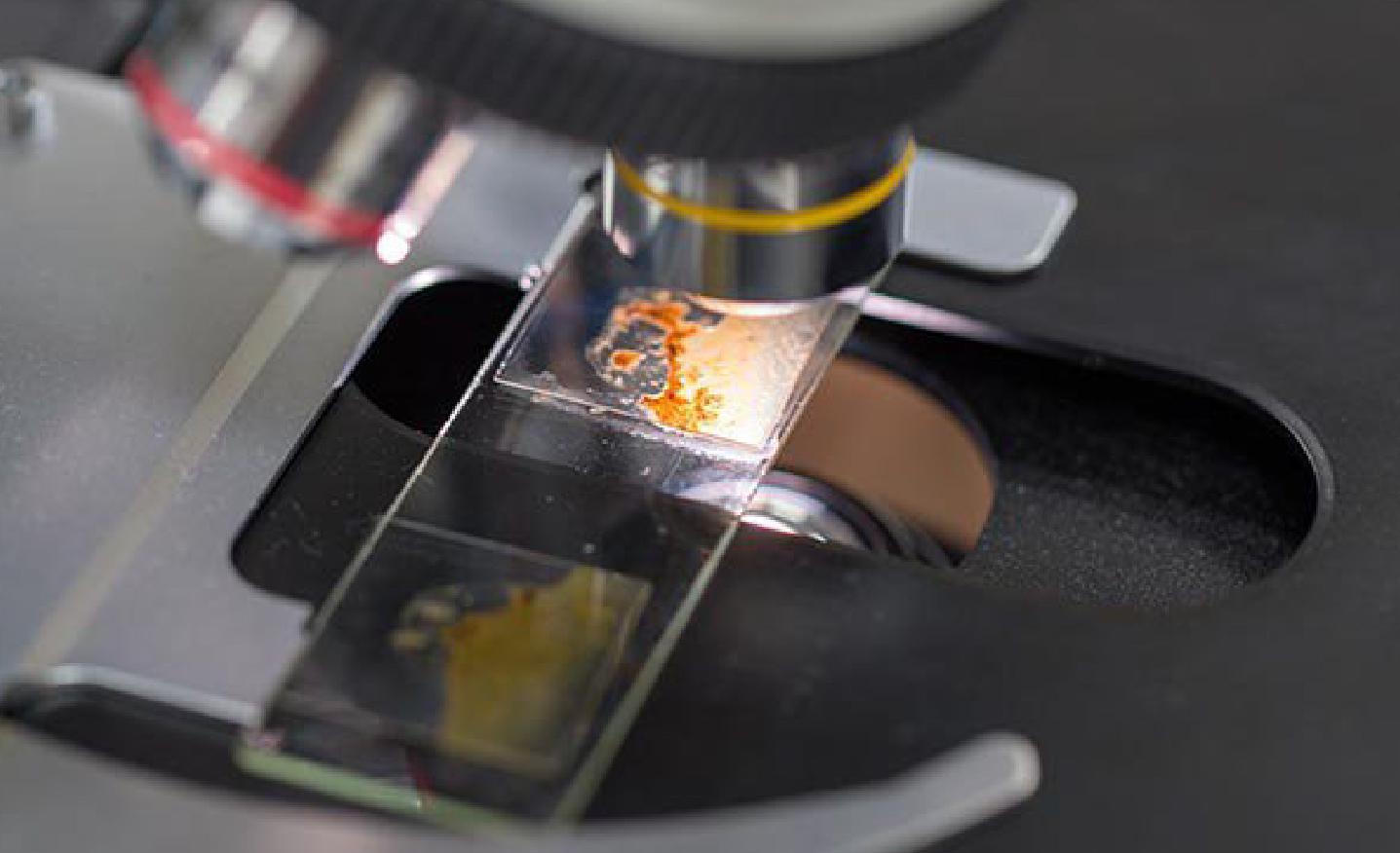
Doctors use various methods to diagnose a worm infestation.
Common diagnostic tests for worm infestation
- Tape test: A clear tape is placed around the child's anus. This tape is then directly examined under the microscope to check for the presence of pinworms.
- Parasite stool test: Worms, larvae, and eggs can be identified by examination of the stool sample.
- Endoscopy: The small intestine is examined for parasites by inserting an optical fiber cable with a camera through the mouth and passing it through the oesophagus and stomach.
- Colonoscopy: A thin, flexible tube with a camera is gently inserted through the rectum to examine the intestine and check for visible parasites.
- Blood tests are performed to detect parasites present in the blood.
Simple hygiene tips to prevent worm infestation in children
|
Natural deworming remedies for children at home
Many home remedies are effective against worms in children. Here are some natural home remedies you can use to deworm your child.
1. Turmeric as a natural deworming remedy

Turmeric, or haldi, is hailed as the most easily available antiseptic in any household. It is also effective against all kinds of intestinal worms.
How to have it
Give your child a glass of buttermilk with one spoonful of turmeric once a day. Continue this for a week or so to flush out the intestinal worms. Alternatively, you can add one spoonful of turmeric to a glass of warm water.
2. Coconut oil for intestinal worms 

The anti-parasitic properties found in coconut and its oil make it an effective treatment for intestinal worms.
How to have it
Give your child a teaspoonful of coconut oil first thing in the morning for a week, followed by a cup of warm water. Eating a tablespoon of grated coconut daily for a week or ten days is also said to help with worm infestation in children.
The triglycerides present in extra-virgin coconut oil help remove the worms from the child's body. Coconut oil also boosts a child's immunity and prevents recurrence.
3. Bitter gourd for parasite control
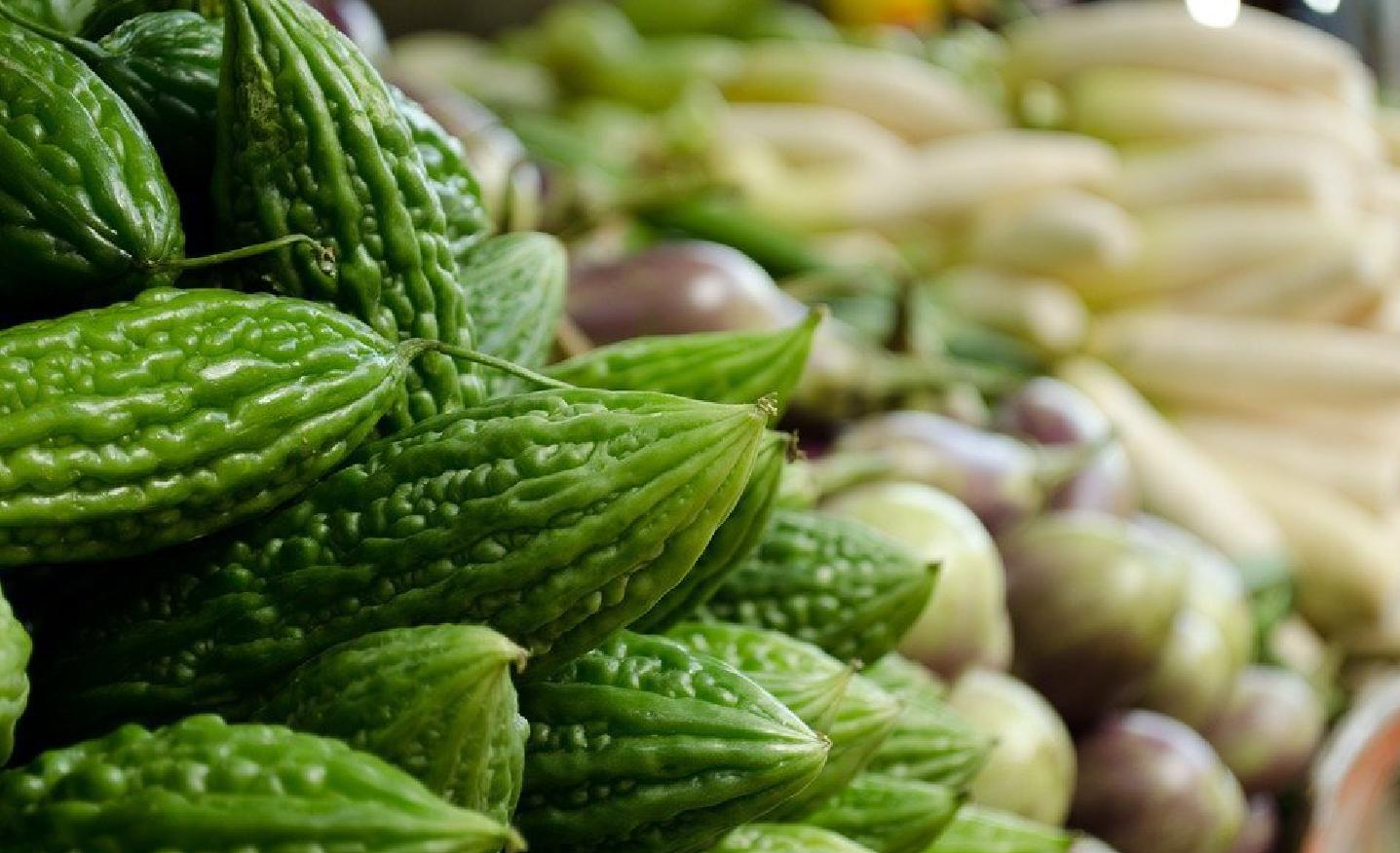
Traditionally, bitter gourd and its juice are used to treat tummy parasites. Children must be encouraged to eat bitter gourd at least once a week as a preventive measure.
How to have it
Cut and soak the bitter gourd in water, adding salt and turmeric for an hour. This will reduce its bitterness. It can also be boiled along with a potato and salt. Then mash the bitter gourd with the potato and feed it to the child. Another effective way is to juice one bitter gourd, mix it with water and honey (honey should be given only to children over 2 years), at least twice a day for relief.
4. Neem for treating worm infestation

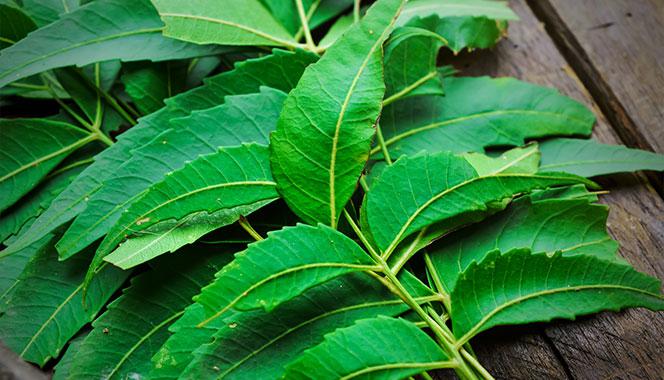
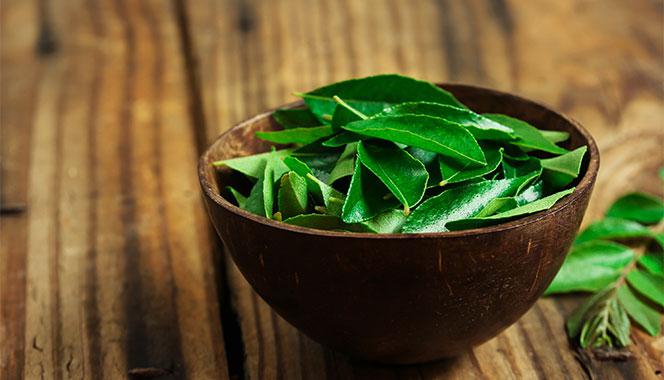
Neem leaves are known to have strong anti-parasitic properties and can be used effectively to treat worm infestation.
How to have it
These days, dried neem flowers are available. These can be added to rasam, sambar, or any curries as tempering. Neem leaves can also be shallow-fried in little oil or ghee. Sprinkle a pinch of salt or rock salt. Remove when crisp. Try mixing these crisp leaves with rice for your child.
Dried neem powder can also be used to cure worm problems in children. Mix one teaspoon of the powder in warm milk and add some honey. Ask your child to drink this, preferably on an empty stomach, for one week. You can continue to feed your child this drink until the worms are completely gone.
5. Garlic as a natural parasite cleanser

A pod of garlic is packed with many worm-fighting properties. Hailed as one of the best natural dewormers for children, garlic can be safely used to kill parasites in the body without any side effects.
How to have it
Crush 2-3 garlic cloves, add them to a cup of milk, and bring it to a boil. Give it to your child to flush out the worms present in their tummy.
Or, soak 2-3 cloves of raw garlic in honey, then give your child one teaspoon of the infused honey on an empty stomach.
6. Unripe papaya for removing intestinal worms

The enzyme papain present in raw papaya is potent enough to destroy intestinal worms. Papaya seeds are also useful in expelling worms from the stomach.
How to have it
Grate firm raw papaya and mix it with warm milk along with 1 tablespoon of honey. Make your child drink this until they are free from worm infestation.
Ground papaya seeds mixed with warm milk or water also help in getting rid of worms. Get your child to drink it first thing in the morning, for three days in a row. You can also ask your child to gulp the seeds whole to avoid the bitter taste.
Tips to help children accept bitter natural remedies
|
Frequently asked questions about worm infestation in children
1. What are the signs of worms in a child?
You may notice tiny thread-like worms on your child's undergarments or in the toilet after they use the bathroom. Itching around the anus during the night is another sign.
2. Can babies get worms?
Yes. Your baby can come in contact with a worm-infested surface or item while crawling or playing outdoors. Also, an infected person with improper hygiene can pass on the worms to the baby during handling.
3. How often should I deworm my child?
It is essential to get rid of worms as these nasty parasites can affect your child's health and well-being. It is good practice to deworm children every six months after age two. Repeat treatments are required because while the adult worms are eliminated, the eggs remain in the body, leading to reinfection.
4. Why is it important to deworm children?
Worm infestation makes children fall sick, affecting their growth and performance. Regular deworming helps keep children in good health and prevents the spread of infestation in the community.
Parent checklist
- Watch for signs like itching, stomach pain, or disturbed sleep
- Keep your child’s nails short and clean at all times
- Encourage regular handwashing before meals and after using the toilet
- Ensure your child wears footwear while playing outdoors
- Wash fruits and vegetables thoroughly before consumption
- Cook meat properly to avoid parasite transmission
- Maintain toilet hygiene and clean surfaces regularly
- Avoid sharing personal items like towels, clothes, or undergarments
- Include natural immunity-boosting foods in your child’s diet
- Consult a doctor if symptoms persist or worsen
- Follow a regular deworming schedule as advised by your pediatrician
Last updated on: April 29, 2026




























Comments
Kayla Piedade May 6, 2023
How many times do I do the raw garlic soak in honey? Just once every six months? Do I need to do it for a week every six months?
Hema Malini Oct 2, 2021
Shel Beg Mar 2, 2023
@Hema Malini
Hi. Can I ask if you managed to find another dosage suitable for kids? I was thinking the same that 1 tsp of neem and turmeric is alot for a child.
Standard Cold Pressed Oil Jul 3, 2019
Edit
Comment Flag
Cancel Update