
20 Engaging Alphabet Activities For Preschoolers to Learn Letters Through Play
Anitha Bennett
author parentcircle author parentcircle author parentcircle author parentcircle author parentcircle author parentcircle author parentcircle author parentcircle
Looking for fun ways to teach your child the letters of the alphabet? These creative and engaging activities help preschoolers recognize letters, build early literacy skills, and are perfect for parents and teachers looking to make alphabet learning enjoyable and stress-free
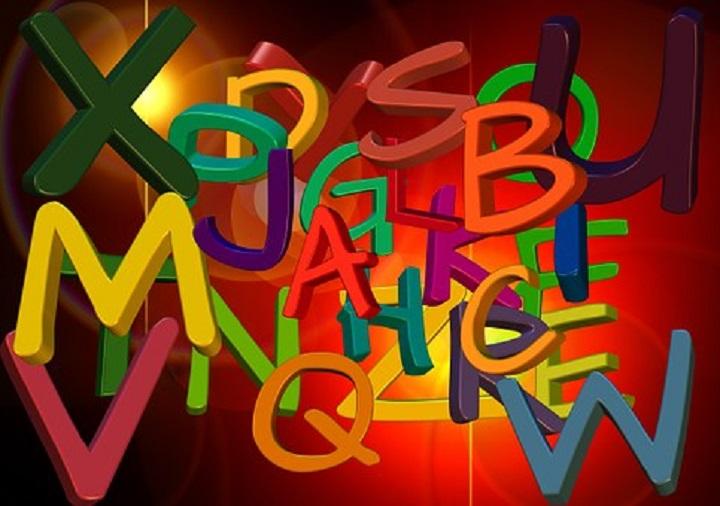
Relying only on rhymes, songs, recitation, and drill to teach the alphabet to your little one? Well, you can do away with these mundane, conventional methods and get creative. All it takes is some innovation and some of your spare time. These fun ways will surely hold your child's attention.
Before you begin, choose a time of the day when your child is full of energy and is most responsive and attentive.
It could be a short while after breakfast or after the evening snack. Remember, a cranky child is a poor learner and can leave you exhausted as well. So, choosing the right time is key to effective learning.
- Gather all the materials needed beforehand.
- Get your child to collect them and put them away after use.
- Explain to your child what you are going to do.
- Keep the excitement and interest level high by exaggerating the activity beforehand!
- Preschoolers love the thrill of engaging in something new and open up right away.
Ideas to get your child to enjoy alphabet learning
1. Writing on sand
Fill a tray with sand or salt. Together, trace out the letters on the sand. Once done, level the sand by swiping your palm across and start all over again!
2. Painting the letters
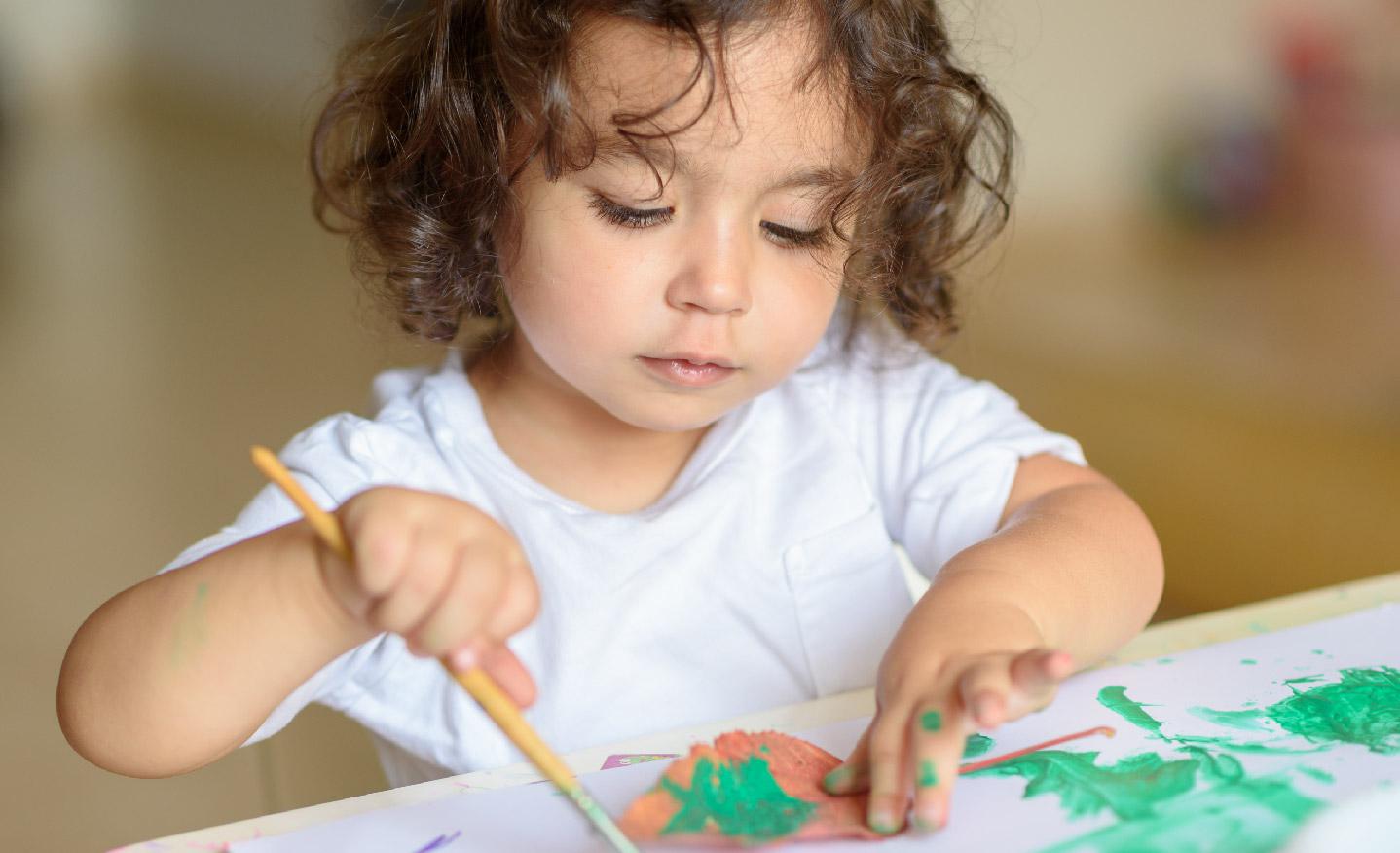
Dip your child's index finger in paint. Paint out each letter of the alphabet on a sheet of paper.
3. Making letters from clay
Together, need colorful clay. Then, roll out each letter and bake it. You can reuse the clay shapes later.
4. Using magnetic alphabet stickers
Jumble all the letters. Now, challenge your child to arrange them in order around the sides of the refrigerator.
5. Picking a letter for the day
Focus only on that letter. Talk about the words that start with that letter. Also, ask your child to spot objects that start with that letter.
6. Using flash cards
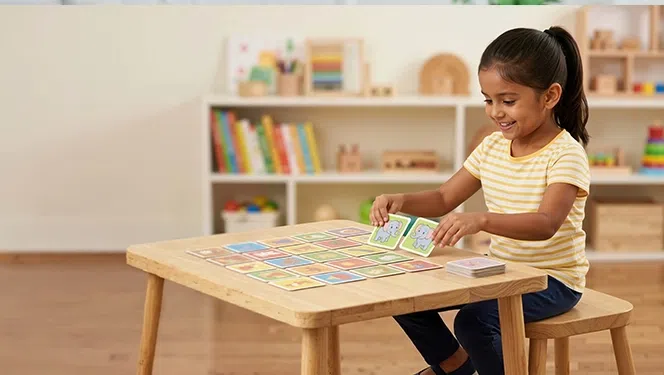
First, let your child pick a flash card, and you name the letter. Next, you pick a letter and let your child name it. Take turns picking flash cards and naming the letters.
7. Singing alphabet rhymes
This will help your child learn the order of the letters. Search for songs online. Sing them every day till your child can sing them, too.
8. Making an album
Create an album of all the letters of the alphabet with pictures of your child's favourite things, like A for aeroplane, and so on.
9. Using alphabet pasta
Add it to soups. Let your child fish out each letter and revise the letters of the alphabet.
10. Playing a tracing game
Write each letter of the alphabet on individual sheets of paper. Place tracing paper over each letter and let your child trace the letter using a big crayon.
11. Practise writing letters of the alphabet
Fill a Ziploc bag with some buttercream and snip the corner. Together, gently press the bag to write the letters of their name, one each, on a cupcake or cookie.
12. Pinning letters on toys
Pin one letter of the alphabet on each of your child's favourite soft toys. Ask him to arrange them in order, one behind the other.
13. Using an alphabet puzzle mat
Rearrange the letters. Call out a letter, then ask your child to jump on that particular square!
14. Playing the guessing game
Trace a letter on your child's back with your finger. Ask your child to guess the letter you have written! Take turns doing the same for each other.
15. Spotting the letters
A great way to revise the alphabet on the road is to read aloud the letters on the number plates of vehicles passing by.
16. Spotting letters, with a twist
If your child's name starts with the letter B, spot cars or vehicles that have a 'B' on their registration plate.
17. Using an alphabet stencil
Cut out an alphabet stencil. Let your child draw around it and fill it with colour.
18. Playing with stickers
Purchase alphabet stickers. Put up chart paper against a wall. Draw rows on the chart paper. Get your child to stick the alphabet stickers neatly in a row. Alternatively, call out a letter, let your child pick it, and stick it.
19. Writing before it rains
Using a piece of thick chalk, draw letters on a concrete slab or sill just when it is about to rain. Watch it get washed away and start all over again!
20. Practicing writing
Hang a whiteboard or a blackboard in your home. Keep pieces of colored chalk or erasable markers handy. Give your little one a free run to scribble, try writing the letters, and draw shapes and figures.
The precious preschool learning years are few. Embrace these years and enjoy the time with your child while making them feel that learning is nothing but a whole lot of fun.
Last updated on June 16, 2026
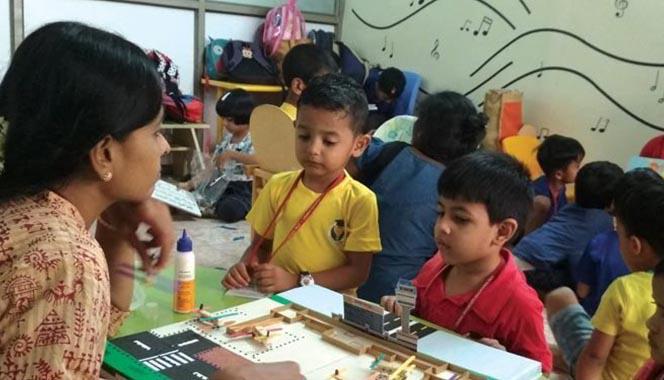
The Dot literacy and phonics program offers a systematic method to help young children learn the foundational reading skills. The literacy and phonics program for kindergarten ensures that every child can read even before they enter primary school.






















Comments
Edit
Comment Flag
Cancel Update