
Getting Your Child Ready For The Board Exams - Tips For Parents And Children
Sindhu Shivalingam
Although the article was written during the pandemic, you will find loads of timeless tips and guidance on how to support your child before and throughout the Board exams. And make sure your child reads the tips meant for children.

With schools closed since March 2020, the board exams this year will be like no other. When the exams were scheduled a little later than usual, there was a collective sigh of relief from students. As the dates draw nearer, some children feel relaxed and calm, while others feel extra anxious, and we get it. If you see your child reeling under pressure, know that you're not alone.
But first, let's hear what some students have to say about the upcoming exams.
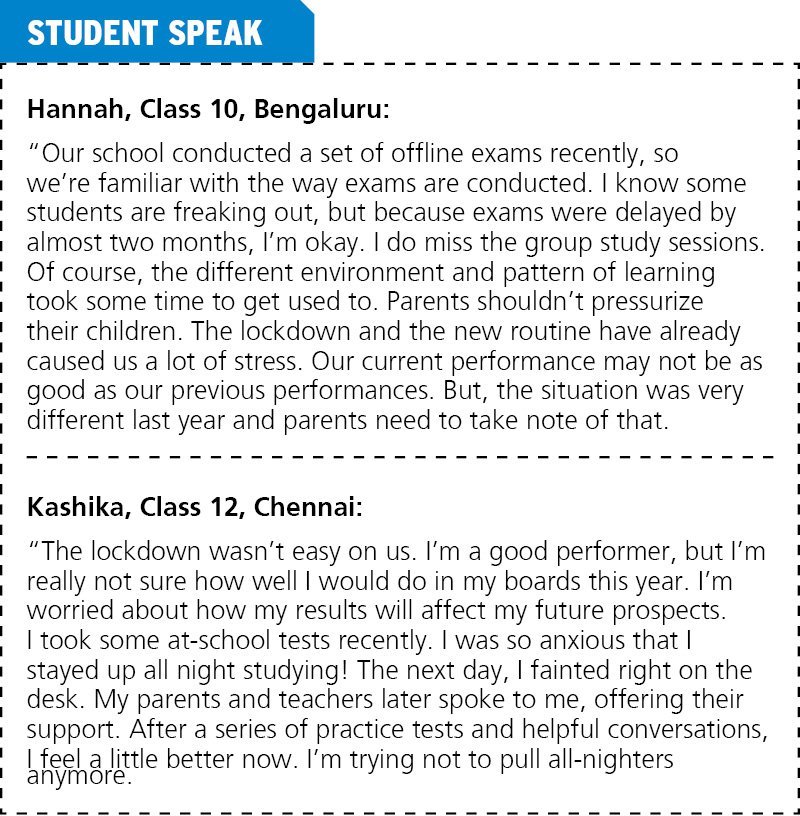
While students like Hannah have confidence and clarity about the boards, others like Kashika feel the pressure. As the exam dates draw closer, like most children, your child is probably worrying about a hundred and one things. Their worries during this time are usually related to:
- your unrealistic expectations
- a feeling of under-preparedness
- poor time management
- career prospects and future life
- their perfectionist tendencies (e.g., wanting to score the highest marks)
- expectations from peers and extended family to perform well
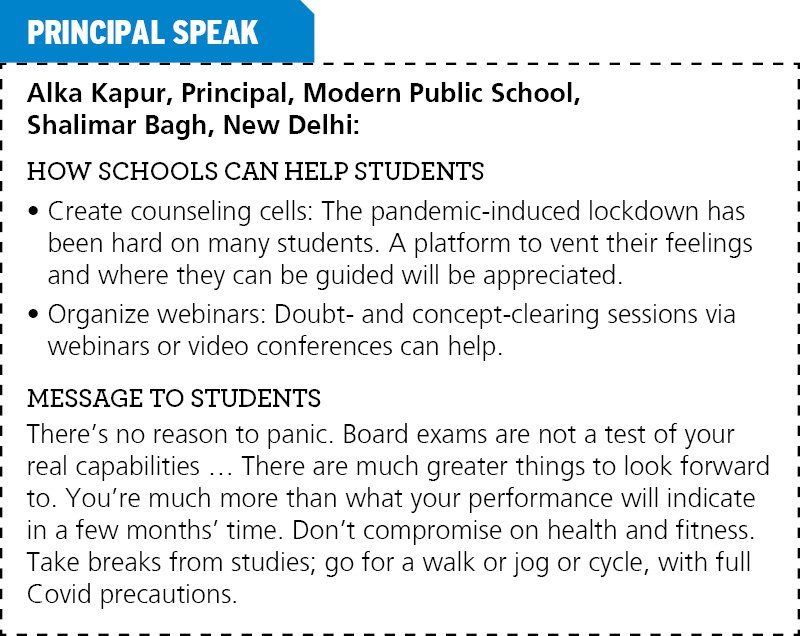
Lack of physical activity, sleep and good nutrition can add to their stress. This is why, as parents, we need to help our children get emotionally, physically and academically ready for the exams ahead. Read on for tips, perspectives, and expert advice.
Emotional Readiness
1. Get the exam fears out of the way
Student Tip: "Even children who know how to answer a question well may not be able to do it when they have the fear of being perfect or being right. This test anxiety affects them", says Dr Denise Pope, an award-winning senior lecturer at Stanford University and an expert in student engagement, in an exclusive video interview with ParentCircle. She offers a simple, research-backed tip to students. "Write down your worst fears on a piece of paper. Simply writing down the fears makes you feel light and gives you the feeling that it's done.
- What's your worst fear?
- What bothers you the most?
Once you've written down your fears, discuss them with a supportive adult, and then rip the paper apart."
Parent Tip: Dr Pope advises, "Once your child writes down her fears, logically walk her through the situation of how there are always other options."
Reassure your child:
- "It's going to be okay."
- "You're going to get a good night's sleep."
- "No matter what the outcomes are, we love you."
This could help stress get out of the way of exam prep. Repeat the exercise for yourself. Write down your worst fears, and then rip the paper up!
Reassure yourself:
- "Ive got this."
- "I'm not a failure as a parent if my child doesn't score high."
2. Redefine what success means to you
Student Tip: Think about what success means to you and write it down. Does it mean getting the highest rank? Or does it mean pursuing your dreams and having a well-rounded life? There's a whole life ahead of the boards, and that life requires you to be passionate, resilient and adaptable. You should be able to take up challenges and solve problems.
Parent Tip: Putting all the pressure on a high-stake examination is not healthy. When Dr Pope asked parents about the success they wished for their children, here's what they said: "Happiness, physical well-being, the ability to make friends, the ability to give back to society." And when she asked the children what their parents thought about success, they mentioned high grades, university admissions, money, and the like! Often, parents send out unintentionally wrong messages to their children—that their child's performance in the exams is all that matters. According to Dr Pope, this could make the child:
- feel extremely pressured
- think of ways to cheat
- feel inadequate
- lose the motivation to try
So, to put your child at ease, have conversations about what success in life means to both of you. Take, for example, Jyothi, a parent of two teens who are taking the boards this year. "My son is in Class 10, and my daughter is in Class 12. Children are all fighting their own battles. We need to be a little lenient with our children and be more supportive. Of course, the board exam results are important, but they are not everything. I asked my children to imagine the worst thing that could happen. They said they may not be able to get into a good college for their undergrad degree. But I told them if that happens, they could still do post-graduation in a better place! Look at me. I'm an MBA graduate who's now a journalist. And in today's world, there are so many avenues for children to explore their creativity, find a career path, and move forward in life."
So, to reassure your child, say these powerful and positive things to your child:
- "You can do this."
- "You don't have to be perfect."
- "We're here to support you, no matter what the outcome is."
3. Take breaks
Student Tip: You probably feel you should study all the time, but remember, taking short breaks can make your preparation more effective. Research says such breaks refresh the brain, increase productivity, and help regain and sustain motivation. Include regular breaks in your study plan:
- A five-minute break after every 30 minutes, or
- A break for 10 to 15 minutes after one hour of study, or
- A 30-minute break after two hours of study—whatever works for you.
- While on a break, take a brisk walk, paint, eat a snack, or take a power nap.
But the most important part of taking a break is timing it and challenging yourself to get back to studying without extending the break. Avoid indulging in activities that are difficult to return from, like playing video games.
Parent Tip: Make sure your child takes enough breaks. Keep healthy snacks and fresh fruit juices available. Your child may need your help in returning to studies, but first ask if they would like your help. Also, let them know that it's okay to postpone a scheduled break when they're in a state of flow, completely focused on her studies.
4. Let go of perfectionism
Student Tip: Wanting to be perfect all the time can add to your stress and may affect your preparation and performance. So, here are a couple of tips:
Use positive reinforcement statements. Say these statements to yourself and write them down to stay confident:
- Marks don't define me.
- I'll do the best I can.
- I've been successful in the past.
Visualize the day of the exam and how you'll complete the test and walk out of the hall feeling confident. Replay this scene when you feel overwhelmed.
Parent Tip: Plan a trip or an experience that your child can look forward to after the exams so they don't obsess over the exams.
5. Create a home environment conducive to learning
Student Tip: Research shows different places can create different moods and attitudes. A neat and functional study space that is free of distractions, with adequate light and resources, can be helpful.
Parent Tip: If your child is comfortable with the arrangement of things on the study table, it's best not to disturb it. Sudden changes could make them feel uncomfortable and restless. Let them reserve their emotional energy for the exams.
However, you can ask your child to suggest a few changes in the home that would make them feel emotionally and physically more at ease. Introduce subtle and helpful changes in the family routine:
- Make tea time or dinner time enjoyable with light-hearted conversations about the day, exchange jokes, or share interesting anecdotes.
- Cut down on media usage.
- Keep away from arguments.
- Watch shows that only the entire family can watch together. Says Sarada Jagannath, a child psychologist and career counselor based in Bengaluru, "Little changes like this will make your child feel supported."
Physical Readiness
1. Fitness matters
Student Tip: During the lockdown, we were all cooped up inside our homes. Physical exertions like traveling to school or standing for practical exams in the lab may leave you exhausted. Make sure you're physically fit, and build your stamina by drinking lots of water, staying active, and getting enough rest. A study by the University of Texas says almost immediately after engaging in a physical activity, children are better able to concentrate on classroom tasks. Another study by the University of British Columbia found that regular aerobic activity, which gets you sweating, can increase the size of the hippocampus, the region of the brain responsible for memory and thinking skills.
So, allocate 20 to 30 minutes of your day for any physical activity or movement. It can be jogging or simply dancing to get your brain pumped. The best time of day to exercise is the time when you're not effectively studying.
Parent Tip: Allow your child to decide what exercise or activity they would like to do and when. Observe how they handle it, and, if necessary, step in gently with suggestions and clear reasons. Offer to accompany them on a stroll, walk, or exercise routine.
2. Eat right
Student Tip: Several families reported drastic changes in their food habits during the pandemic. This would be a good time to evaluate and reset food habits conducive to building your health and energy levels. Several studies state that a healthy diet results in improved cognitive function. A study conducted by the Harvard Medical School says green leafy vegetables (spinach, broccoli), colored fruits (especially berries), and nuts (especially walnuts) can improve brain functioning. Avoid junk foods, processed sugars, caffeine and refined carbohydrates, which can harm your gut health. Include foods containing good fats such as coconut oil, pure ghee, plenty of fruits, vegetables, legumes and whole grains in your diet. Make sure you consume protein in every meal of the day. And don't skip meals.
Parent Tip: Encourage your child to eat five to six healthy and light meals instead of eating three heavy meals. To reduce chaos and stress, make a weekly meal plan and snack plan. Keep the meals simple and healthy—an omelet or a boiled channa can be a good snack! Remind yourself to stay physically healthy, too!
3. Sleep well
Student Tip: During sleep, your brain processess the day's events and experiences. The concepts and information you learn during the day are added to previous knowledge and understanding, thus consolidating your learning. This process underlines the importance of restful and adequate sleep. You require eight to nine hours of sound sleep to feel refreshed and energized for the day.
Parent Tip: If your child is getting fewer hours of sleep, it would take a lot of effort on your part to ensure adequate sleep. Often, it's exam stress that keeps children awake or burning the midnight oil. The phone acts as a stress buster but also disturbs sleep patterns. Take the lead by putting your phone away at least 30 minutes before bedtime, and encourage your child to do the same. Encourage them to talk about their fears and stresses.
Academic Readiness
1. Do a reality check
Student Tip: Despite all the efforts teachers have put into online classes, there have been limitations and learning gaps.
Dr Pope suggests that you write down the answers to these questions:
- What are the areas you feel less confident about?
- How do you plan on approaching them?
- How much time do you think you'll need to cover these lessons?
Parent Tip: Encourage your child to ask teachers for help. As Dr Pope says, "Having your child reach out to the teacher helps the child develop important life skills—asking for help and problem-solving. If your child wants your help in reaching out to the teacher, list the talking points before the discussion. Let your child lead the discussion. Be gentle and encouraging. Tell your child beforehand to be honest with the teacher about their preparation. Let them know you're there for support. Don't make judgmental or sarcastic comments during or after the discussion."
Even if you find out that your child is not adequately prepared, this is your chance to help them make the most of the time available. Offer constructive comments and positive statements.
2. Make a plan
Student Tip: There may have been limited or no monitoring of progress through online classes. It may be difficult for you to suddenly become more organized and accountable. A planner is a helpful tool to include slots for revision, a quiz on difficult topics, and practice question papers. A Stanford University study shows how strategic learning, engaging in self-reflection to identify and use resources wisely can help students perform better.
Write down or discuss with your parent or peer:
- What you think about each subject, and what resources you'll need to prepare well.
- Why you think the resource or strategy will help you study effectively.
- How you plan on using the chosen resource.
Parent Tip: Ask your child if they'd like you to go over their study plan or keep time during practice tests, and check progress. However, make sure not to over-help. Don't do the work for them or override their plan. When you allow your child to work independently, they know you trust them, and this, in turn, makes them feel confident.
3. Set everyday goals
Student Tip: Once you have a plan in place, set goals for each day and goals for every hour or two. Look at the preparation like a game. You could make grids of hours like in a calendar and tick them off as you complete the hourly goals. Give yourself a little treat at the end of the day for achieving your daily goals.
Parent Tip: Help your child come up with ideas to make preparation fun. Think of simple rewards you can offer your child for finishing daily goals (a TV show, a favorite meal, or some time off).
4. Find an accountability partner
Student Tip: If you miss group study sessions, then make online study plans with your friends. Time your study sessions and call to check on each other's progress and achievements at the end of each session.
Parent Tip: Allow your child to find an accountability partner or offer to be one. Set productivity goals for yourself and let your child know what you'd be working on. It could be an office assignment or a house chore. Or simply check on their progress once the study session is over. Don't reprimand them if they're unable to accomplish hourly goals. Instead, encourage and help set realistic goals.
5. Minimize distractions
Student Tip: You missed those face-to-face interactions with your peers. You probably want to make up for all the lost interactions by keeping tabs on each other using gadgets. However, it's important to manage your gadget usage and other distractions, including the doorbell and family conversations.
Parent Tip: Keeping in touch with friends helps your child stay connected. "My children say they have missed out on peer interactions, which could've have helped them stay motivated," says Jyothi. Children, especially teens, lean more toward friendships. It is an important stage in their growth and development. Little to no in-person interactions with friends could have caused stress in your child.
Have an agreement about phone usage. Checking the phone only during a long break could be one. Let your child and friends agree on a time when they can catch up and clear doubts. This will help manage the study schedule and time better. Children respond well to fun reminders. Reprimands and harsh words shut down a person's focus and attention.
More Ways To Help Your Child
While your child does all the studying, they need your support and guidance during this crucial time.
"My daughter is not an assertive person in an online setting. She finds it challenging to seek clarification on concepts from the concerned teacher. This had an impact on her practice test performance. So, Ive been trying my best to fill the gaps in her knowledge. I also encourage her to look for resources related to her subjects. She has tutors to coach her in a few subjects. Tutoring has helped her grasp concepts. Let's see how she performs in her boards," says Deepa, mother of a Class 10 student.
Like Deepa, you can do a few things to help your child study.
1. Set a daily routine. When making a schedule, take into account the travel time to/from school or tuition classes, and the study breaks. The routine will give her a sense of control over her time.
2. Talk to your child. While you cannot replicate a peer-to-peer conversation, a few minutes of banter and harmless gossip can be a pleasant way to reduce your child's stress.
3. Think about your role. Before stepping in to help, introspect a little. Does my child need gentle reminders to help stay on track? Is my child self-motivated? Does my child's preparation look a little disorganized? How I can help without overstepping?
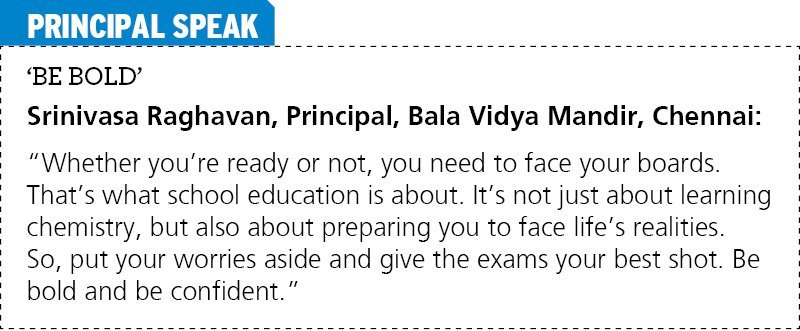
4. Help them practice. If your child's school is not conducting in-person mock exams, take some tips from your child's teachers and encourage practice tests at home. As Srinivasa Raghavan, principal of Bala Vidya Mandir, Chennai, says, "During this pandemic, students have taken only online tests according to their convenience. Practicing under board exam-like conditions will help them understand where they stand."
5. Keep calm and help your child stay calm. Needless to say, help your child stay calm and focused. Remind yourself that this year has been tough on you and your child. More than children, in many homes, parents are anxious about the boards. And that's because they want to realize their dreams through their children. Having high expectations without gauging your child's potential can only add to the stress."Understand your child's potential and pain points and see how you can help," says Ms Jagannath.
The stress of last-minute changes can get to you as well, so don't forget self-care. Talk to someone who is a good listener and has a calming effect on you.
6. Listen to your child. When your child shares their thoughts, fears or apprehensions related to exams, try not to jump in to advise or pass judgement. Just listen first. Empathize with your child. Let them know you understand and that you're there to support them.This will make them feel less stressed and more confident.
Don't forget that along with classroom learning, your child has missed out on the little joys of school life for a whole year:
- the thrill of being a senior at school
- opportunities for leadership
- regular tests that would gradually build confidence
- extracurricular activities
- face-to-face chats with classmates and teachers
- school and birthday celebrations, the farewell party
Have your child talk about these and other things on their minds. Give them a safe space to vent their emotions and frustrations.
Make the exam season less stressful for you and your child. Ensure your child eats healthy, drinks lots of water, rests well, and does some form of exercise. And most importantly, let your child know you love them no matter what. Here's wishing your child the very best.
































Comments
Edit
Comment Flag
Cancel Update