
FEATURED
5 Must-Try Tips To Keep The Emotional Connection Alive With Your Teen
Divya Ramesh
author parentcircle author parentcircle author parentcircle author parentcircle author parentcircle author parentcircle author parentcircle author parentcircle author parentcircle author parentcircle
If you and your once-affectionate child are growing apart, don't lose heart. Try these expert tips to strengthen your bond with your teen

It's 4 p.m. Devika has been able to get back from work early. She enthusiastically prepares cauliflower bajjis (fritters), the favorite snack of her 16-year-old daughter, Sana. The doorbell rings. Devika answers the door and greets her daughter cheerily.
Devika: Hi, how was your day?
Sana: Good.
Devika: How did your math test go?
Sana: It went well.
Devika then points to the bajjis she has made. Sanas face lights up. She freshens up, goes to the kitchen, fills a plate with the bajjis, strides into her room, and closes the door. Devika feels upset. She was hoping for a conversation with her teen over a hot cup of coffee and bajjis but Sana had other plans. Devika wonders how to get her daughter to talk and spend some time with her.
If you're the parent of a teen, you'll be familiar with this situation. When your teen doesn't want to be around you, you may end up thinking they don't love you at all.
We get it. It can be frustrating and challenging to be the parent of a teen. You're often riddled with self-doubts. Am I doing anything wrong? However, research shows that most teens want to share a friendly relationship with their parents.
Mina Dilip, a psychotherapist based in Chennai, says that parents need to grow up along with their teens.
Let's look at how you can build a healthy relationship with your teen and make these teenage years cordial and memorable.
How to bond with your teen
1. Talk to your teen every day: Try your best to have a free-flowing conversation every day for at least 10 minutes. But never force conversations. As Ms Dilip says, "It's better to wait for your teen to come to you rather than going after them and badgering them into talking to you."
Here are some points to remember while talking to your teen.
- Listen actively. Pay attention to what your child is saying, make eye contact, and do not interrupt him.
- Do not lecture or advise during this special bonding time. Avoid statements like, "I told you so."
- Ask open-ended questions to encourage your teen to open up.
- Have two-way conversations. Share details about your day. For example, any funny incident at work, an interesting video or meme you saw on social media, or sharing your struggles as a teen. But keep whatever you have to say short. Let your child talk more than you.
- Pick a time when you and your teen are relaxed.
- Put your phone away and keep the TV switched off.
- Avoid judgment, sarcasm, sighing, yawning, and other impolite conversation habits. Say affectionate things to your child. For example, "Love you," "I like the effort you always put in," or "Great to have you back home!"
Ms Dilip says, "Use statements like, "If you want to talk about it, I'm here," or "Feel free to share anything you want to, I'm here to listen." Such encouraging words will create a sense of safety and freedom in your teen. And when they start talking to you, listen.
It's also a good idea to empathize ("I know it feels intimidating. I've felt that way, too") when your teen shares their problems.

2. Spend quality time: Laugh, chat and have fun with your teen. This can work wonders for your relationship.
- Do fun things with your teen, such as watching their favorite movie or just singing together. Let your child choose what they want to do.
"But this can be a little challenging," says Ms Dilip, "because sometimes teenagers are very different from their parents. You have to learn about your teen's likes and dislikes, invite them to share thoughts on these areas and show genuine interest in their activities. For example, many teens like specific genres of music, which parents may not enjoy or even understand. But you can make an effort to appreciate such music and even develop a taste for it to connect with your teen."
- Have meals with your child regularly. You can also cook their favorite dish together and follow it up with a fun family meal.
- Know who your child's friends are, and welcome them home now and then, making it a special evening for everyone. (Also, respect your teen's right to choose her friends. Controlling her friendships is disrespectful.)
3. Establish rules together and be ready to compromise: Ms Dilip explains, "When parents set the rules, it's a top-down approach that can cause resentment. When you draw up rules together, your child understands why the rules are in place, and is more likely to comply."
Whenever you say No to your child's request, explain the reason gently. But remember, it's hard for anyone to hear a No all the time, particularly for your teen who is just starting to establish their identity. So, if it's a relatively minor issue, be a little flexible with the rules.
Rama, the mom of a 15-year-old, shares, "My daughter and I have set several rules together. But sometimes she wants to break some of them. Before doing that, she usually checks with me. I agree to some of her demands if they are reasonable. For example, we have a one-pizza-a-week rule. The other day, she wanted to have pizza two days in a row. I agreed. But when she wanted me to extend her night curfew to 10 p.m. last week for her friend's birthday party, I refused and gave her an explanation. We stuck to the usual 8:30 p.m. She was disappointed but not mad at me. She came home and shared details about the party with me."
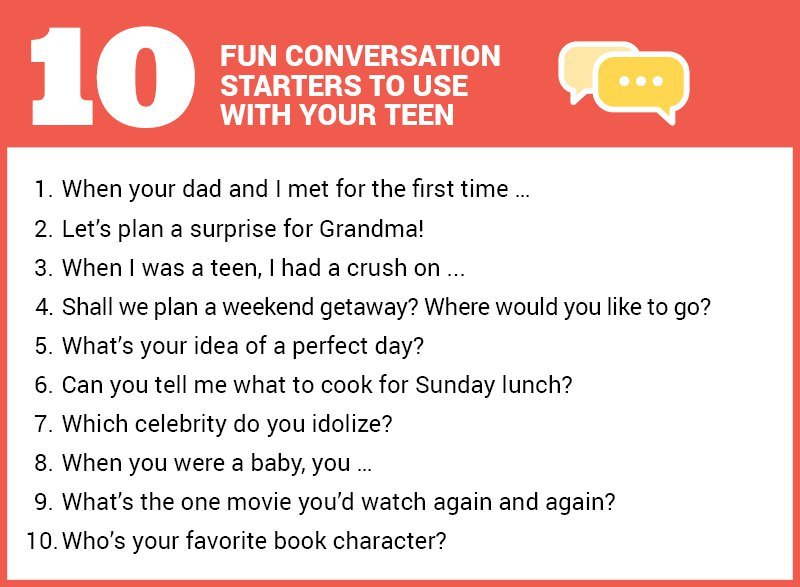
4. Show respect: Nichelle (16) from Bengaluru says, "My dad and I never sit down and discuss anything. Whenever we can't agree on something, he always says, 'Do as I say, and that's the end of the matter. I obey because I'm scared of him, but I don't share a close relationship with him."
Ms Dilip says, "By listening to your teen and considering their ideas, you'll be communicating your respect to them. Involve your teen in helping you make decisions, such as planning meals and vacations or organizing a family function. This will boost their confidence and hone their leadership skills while giving both of you a wonderful opportunity to spend time and have fun together!"
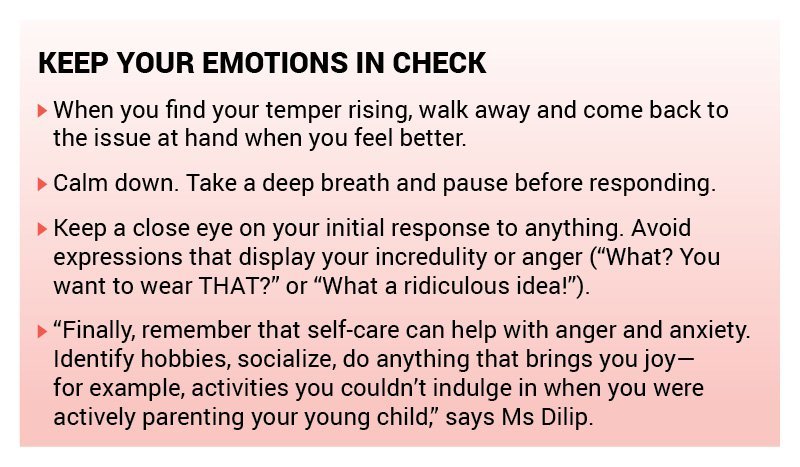
Also, be courteous to your teen. As Ms Dilip says, "Your tone of voice is extremely important. Yelling won't work. If you feel the need to yell, take a time out, leave the conversation, cool off, and talk to your teen when you have more self-control."
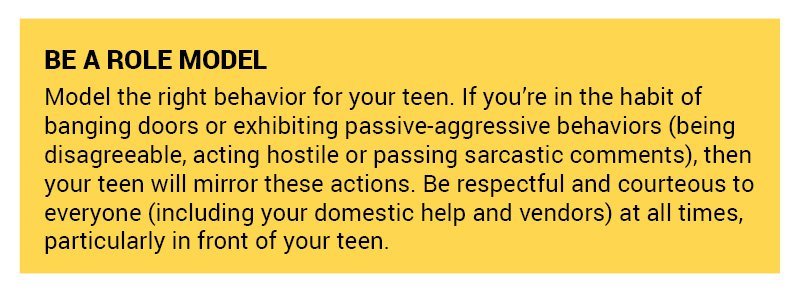
5. Give your teen privacy: When you give your child privacy, they feel trusted and self-confident. When you violate their privacy, it may result in anger, resentment, and more conflicts. But it's natural for you to want to know what your teen is up to. The key is to find the right balance between giving your teen privacy and freedom and keeping them safe.
Ravi, the father of a 16-year-old, says, 'I like to know where my daughter is going, whom she's meeting, and how long she's going to be away. I always ask her these details before she leaves the house. Sometimes my questions irritate her, but I need to know these things for her safety. I'm careful not to pry into all aspects of her life. For example, I don't ask her what she discusses with her friends, nor do I try to overhear her phone conversations."
Ms Dilip says, "Do not monitor everything your teen does. That's a violation of privacy, and it can create unnecessary tensions in your relationship. Trust your teen. But know that your teen may breach that trust sometimes. If that happens, do not overreact. Just give your teen another chance. Avoid saying things like, 'I should never have trusted you', or 'You have let me down.'
How to respect your teen's privacy:
- Knock on the door before entering the room
- Let your teen enjoy their alone time
- Stay away from their phone and diary
- Allow him to have private conversations with his friends
- Do not force them to friend you on social media
- Do not insist on accompanying your teen to school or outings
Remember, the best way to keep an eye on your teen is to stay connected with them every day. When you share a good, trusting bond with each other, you'll know what's going on in his life.
We hope these tips help you build a strong bond with your teen. Start early! Spending quality time, respecting your child, and establishing rules together can start much before your child enters the teenage years.
One tip for teens from Ms Dilip: "Whenever you feel irritated by your parent's actions, take a moment to recognize that your parents love you and are only acting in your best interests."
Divya Ramesh is a freelance writer from Chennai.

























Comments
Edit
Comment Flag
Cancel Update