
Understanding Gestational Diabetes And Tips To Manage It And Stay Healthy
Varsha Venkatesh
An estimated 4 million women in India are affected by gestational diabetes, at any given time. Find out how to manage the condition and ensure a smooth and healthy pregnancy.

"It was midnight, and the hunger pangs had kicked in. I always thought pregnancy cravings were a myth until I felt them. This time, it was an irresistible urge to eat a bucketful of chocolate fudge ice cream, but I could not indulge," recalls Preetha Raaghav, a celebrated television personality and film producer from Chennai.
"What I found to be the most challenging part of my pregnancy was managing my gestational diabetes. I had to poke myself with a needle and inject insulin every time I ate, constantly monitor blood sugar levels, and count my calories. I could not slack, I could not take a day off," she adds.
Preetha had a healthy baby, and today, she's the proud mom of a 15-year-old girl. Her success story attests to the fact that managing diabetes while pregnant is hard but not impossible.
What is gestational diabetes?
Gestational diabetes (GD) is a condition in which blood sugar levels become high during pregnancy. GD usually disappears after the baby is born. It's quite common among Indian women, mainly because of our carbohydrate-rich diet. If a pregnant woman is overweight, is older than 25 years, or has a family member with diabetes, then her chances of getting GD are higher.
"Over the past decade, the numbers have gone up," says Smitha Suresh, an Ayurvedic nutritionist from Chennai. Women from the lower income group, who have very little access to adequate prenatal care, are the worst affected.
Why does diabetes occur during pregnancy?
The pancreas releases a hormone called insulin to control how we use carbohydrates. Carbohydrates are broken down by our body to produce glucose, which is used by our cells for energy.
GD is said to occur because of the many changes a woman's body undergoes during pregnancy. Hormones from the placenta (which helps the baby grow) prevent the mother's body from using insulin effectively. When the mother can't make or use the insulin her body needs, glucose builds up in her blood instead of reaching the cells, where it's converted into energy. Blood sugar levels rise, and the mother gets GD.
Add to that more factors—unhealthy eating habits, irregular sleep, inadequate stress management, and a toxic environment laden with chemicals starting from your dish-washing liquids to room fresheners. The load to digest, absorb, and detox is borne by your gut and liver, making them weak and overworked and leading to hormone disruptions and blood sugar fluctuations.
When women with GD control their blood sugar levels, they have healthy pregnancies and healthy babies.
Who is at risk?
You are more likely to develop gestational diabetes if you:
- are obese
- have had GD during a previous pregnancy
- have given birth to a large baby (more than 4.5 kg)
- have a family history of diabetes
- have polycystic ovary syndrome (PCOS), a hormonal disorder
- are physically not active
Also, if you have thyroid dysfunction, you face an increased risk for GD, warns Suresh.
How is GD diagnosed?
Every woman's body is different. Some women experience severe physical symptoms like extreme hunger, excessive thirst, profuse sweating, weak and shaky legs, and the urge to frequently urinate. This is also the time when your stress hormones are triggered, resulting in unpredictable mood swings.
Largely, gestational diabetes shows up in the middle of your pregnancy and typically doesn't have any symptoms. If you're pregnant, you should be tested for gestational diabetes between 24 and 28 weeks of pregnancy so you can make changes, if needed, to protect yourself and your baby. Preetha, who was a young, active, and healthy woman, discovered she had GD after a regular glucose screening test during her pregnancy.
Complications of GD
Some common complications associated with GD include:
- Low blood sugar or hypoglycemia: Sometimes, babies born to mothers with GD have low blood sugar right after birth, which can result in seizures.
- Underdevelopment of cardiovascular and central nervous systems: A woman with GD is at higher risk of delivering a baby with underdeveloped cardiovascular and central nervous systems.
- Fetal overgrowth or macrosomia: A mother with GD is at risk of delivering a baby weighing over 4 kg. This, in turn, increases the risk of birth trauma, which includes birth injuries in both the mother and the child.
- Type 2 diabetes: A baby born to a mother with GD is more likely to develop type 2 diabetes later in life.
The good news is that when women with GD control their blood sugar levels, they have healthy pregnancies and healthy babies.
Tips for managing gestational diabetes
Suresh says, "Treatment for gestational diabetes usually includes diet modifications, exercise, daily blood glucose monitoring and insulin therapy if needed. The condition can be easily managed if proper measures are taken by the patient and she is monitored regularly. It also helps to include practices like yoga, clean eating, and managing work-life balance."
1. Monitor your blood sugar levels
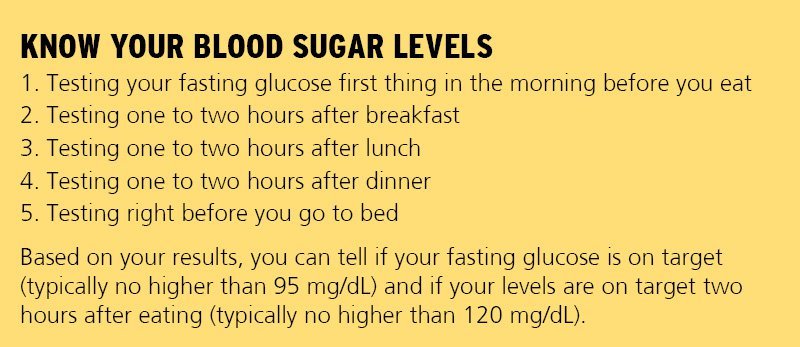
It's important to keep your blood sugar levels within the range recommended and self-monitor them. Your gynecologist can help make a plan for you to monitor your blood sugar levels. This means you will be testing up to five times a day using a home kit.
2. Eat healthy foods
Eating the right combination of foods is crucial in controlling gestational diabetes. So, invest your time in educating yourself and work with a nutritionist to develop a meal plan tailored to your needs.
Eat whole grains, lean protein, vegetables and fruits, and avoid sugary foods to keep your blood sugar levels in a healthy range. This means goodbye to cakes and cookies! Make sure you eat the right amount of carbs to meet your energy requirements, but not so much that they throw your blood sugar off balance. This may require you to count your carbs every day and plan your meals around that, making sure you have just the right amount of carbs, proteins and fats.

3. Exercise moderately
Whether you are overweight or at a healthy weight, regular pregnancy-appropriate physical activity is recommended. You need to control visceral fat accumulation around the waist and manage unnecessary weight gain to aid in easy delivery.
Walking, swimming, or yoga can help your body better regulate the insulin output and, in turn, your blood sugar levels. Work out a fitness plan with a professional prenatal yoga instructor to practice safe asanas and avoid overtraining.
4. Take insulin if needed
While some women can manage their GD with lifestyle modifications, others might need insulin. If your body can't use the insulin it makes or is not making enough insulin, then your doctor may recommend insulin, which is taken as a shot. Most women will have to take two to three shots per day to prevent blood sugar fluctuations. Be sure to follow all recommendations made by your doctor to ensure a normal, healthy pregnancy.
Managing gestational diabetes may not be a breeze, but by making small yet powerful lifestyle changes like eating healthy and exercising regularly, you can control your blood sugar levels and enjoy your pregnancy to the fullest.
Varsha Venkatesh is a yoga practitioner and a fitness and lifestyle coach. She is the founder of Yogavriksha, Chennai.
This article was reviewed by Dr Akta Bajaj, senior consultant and Head of Obstetrics and Gynaecology, Ujala Cygnus Group of Hospitals, New Delhi.
























Comments
Edit
Comment Flag
Cancel Update