
A Story Of Resilience: Helping Our Child With Type 1 Diabetes Live Her Best Life
Team ParentCircle
After her 2-year-old daughter’s diabetes diagnosis years ago, this mom, along with her supportive husband, is helping her child live well with the condition and grow up to be a strong, independent woman
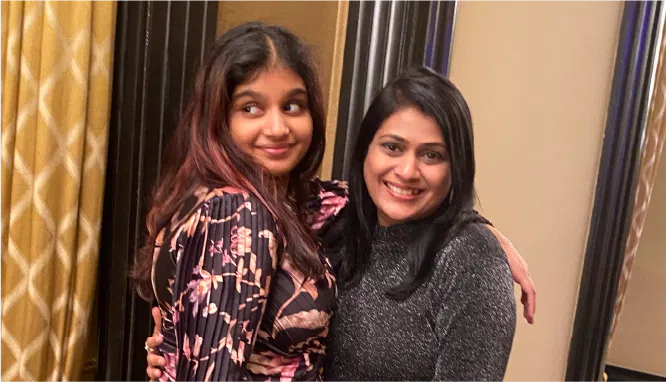
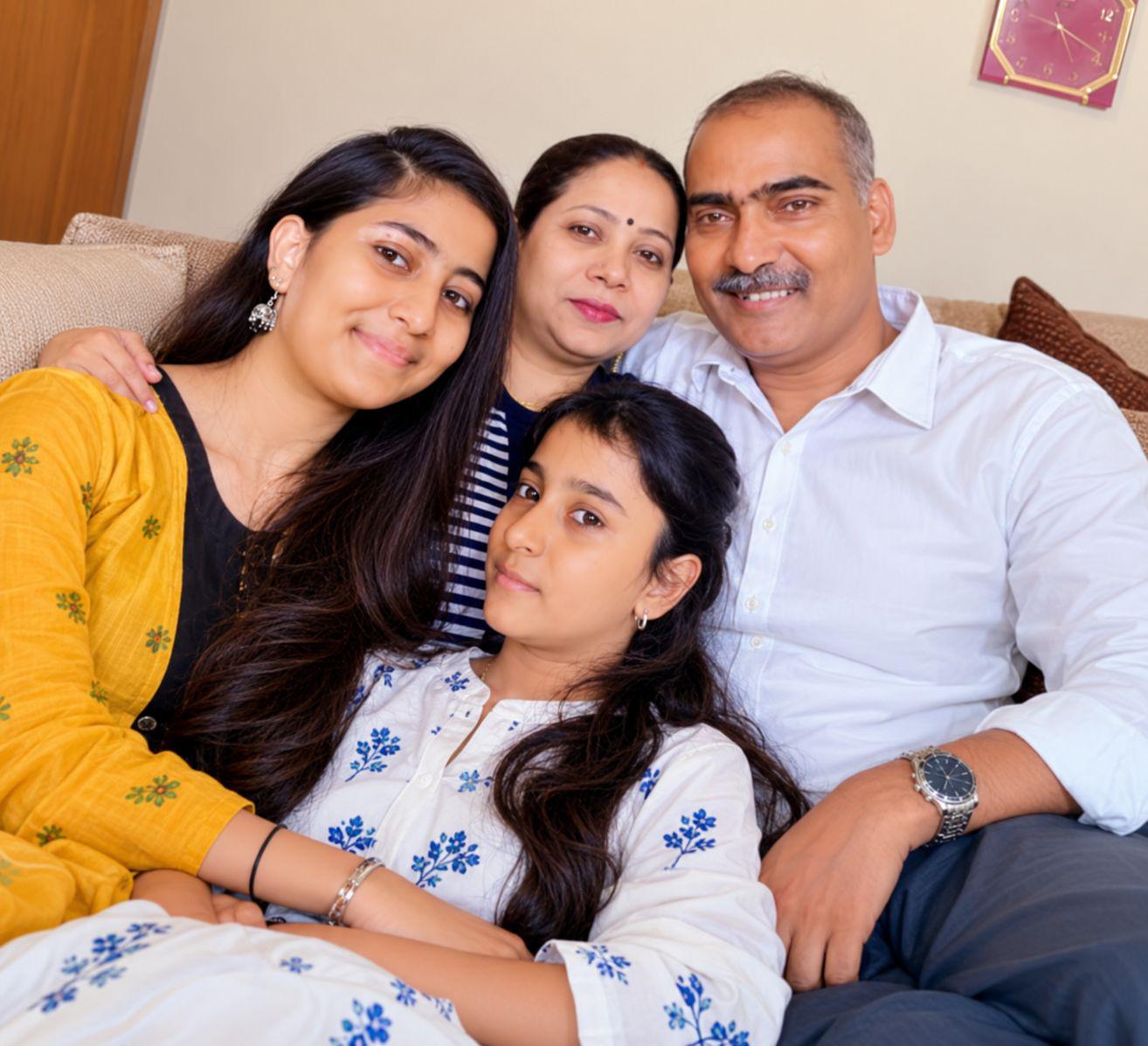
(Kiara and Shweta)
When Kiara was born, she was the epitome of health and joy. Her laughter filled our home, and every day felt like a blessing. However, when she turned 2, just after her birthday, our world was shaken to its core. Kiara’s little body underwent a drastic transformation. She started urinating excessively and was drenched in sweat, and it seemed like a never-ending nightmare. The doctors we consulted during that tumultuous time failed to diagnose her correctly, leaving us in a state of perpetual worry and confusion.
For 15 agonizing days, we visited different doctors, each offering a different diagnosis. Some claimed it was her kidneys, while others suggested psychological issues. No one saw the true culprit lurking in the shadows. During this harrowing period, my husband was away, traveling for his cricket matches. Little did he know that a stopover in Mumbai would reveal a shocking truth.
When my husband laid eyes on Kiara, he was devastated. In just 15 days, our once-healthy child had wasted away, her weight plummeting, and she could barely keep anything down. We desperately sought a second opinion and rushed her to a local physician. Fortunately, this time, we encountered a knowledgeable doctor who made the crucial diagnosis – Kiara had type 1 diabetes. Type 1 diabetes is a chronic autoimmune disease that prevents your pancreas from making insulin. The moment that news was broken to us, as parents, it was soul-crushing. Everything went blank, and we were thrust into a world we knew nothing about.
Kiara had already reached a critical condition by the time we reached the hospital. She was in a high-sugar coma, and she needed immediate care in the ICU. As a mother, I had to be strong for her. I couldn’t afford to break down. I needed to be a pillar of support and strength for my daughter. I asked the doctor what was next. I refused to be the mother who cried and sought sympathy; instead, I chose to be the mother who would fight alongside her daughter.
The real battle began when Kiara left the hospital. We had to learn how to monitor her blood sugar levels and administer insulin shots. At first, my husband and I were reluctant, but we knew it was a battle we had to fight. From that day forward, Kiara received four insulin injections every day, a routine she continues to this day.
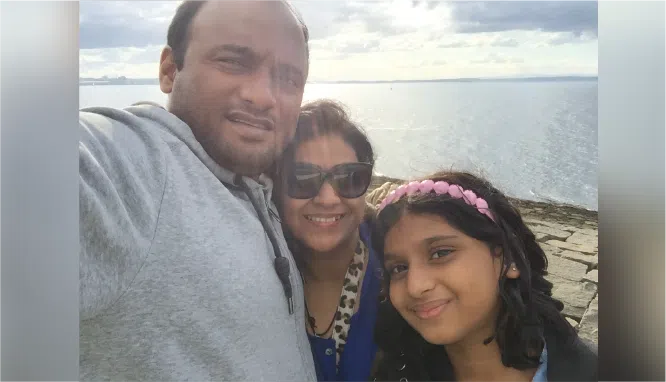
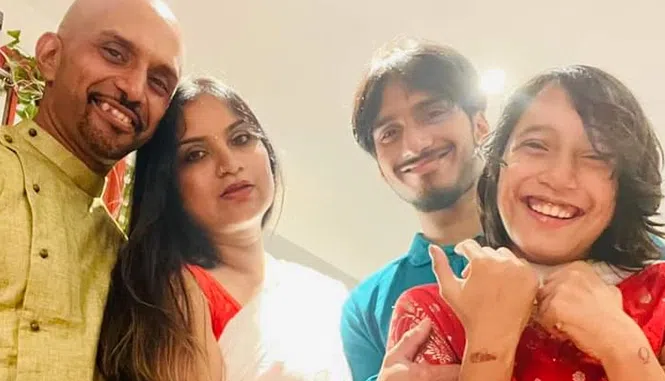
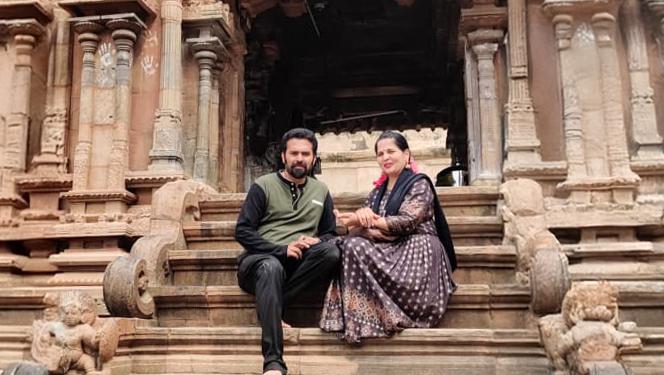
(Kiara with her father, Kiran, and her mother, Shweta)
As Kiara grew, we didn’t have much support from relatives, but my husband and I stood strong, determined to support our daughter in every way possible. At that time, I was also starting my own business. Balancing my business and caring for my daughter was challenging, but I was unwavering in my commitment to both.
Our journey was filled with obstacles. Some neighbors and parents excluded Kiara from playdates, fearing that diabetes was contagious. But we fought through the prejudice and ignorance, determined to ensure Kiara’s safety and independence. We didn’t want her to be a pampered child just because of her condition. We wanted her to grow into a strong, independent young woman who understood her body.
During her school days, we faced moments of panic when the school nurse called to report low blood sugar levels. We would rush through traffic to bring her home, knowing the risks involved. Yet, we kept pushing forward. Kiara’s determination was unwavering, and she decided to pursue professional sports. This decision led to adjustments in her nutrition and insulin levels, and my husband decided to homeschool her.
Homeschooling was a challenging phase for me. I became not only a mother but also her teacher. However, it allowed us to better monitor her sugar levels. But then came another setback when Kiara experienced blackouts due to emotional stress. She was diagnosed with confusional migraines and had to make the painful decision to discontinue her passion for professional sports.
Throughout it all, Kiara remained strong. She faced judgment and misunderstanding from some friends who couldn't comprehend the challenges she dealt with. We reminded her that she was strong, a survivor of the ordeal she endured at the age of two.
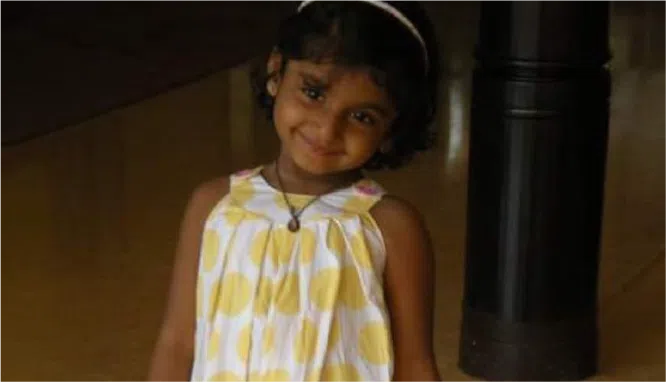
(Kiara as a child)
Kiara’s journey has been one of constant adaptation and learning. She transitioned from blood sugar monitors to glucometers, which made her life more manageable. Yet, the world could do better in accepting and supporting children with such autoimmune diseases. We’ve always ensured that Kiara gets the right nutrition, monitors her sugar levels, and stays physically active.
Kiara’s strength doesn’t come from pampering, but from her resilience and the support of her family. We’ve guided her in making healthy food choices, which have become ingrained in her. She understands the importance of these choices and makes them willingly.
We’ve never said “no” to Kiara; instead, we’ve found solutions and alternatives for her desires and dreams. Our focus has always been on providing her with the tools to thrive, not sheltering her from challenges. We hope that society will become more understanding and supportive of children like Kiara who face autoimmune diseases, realizing that their strength deserves admiration, not sympathy.
Shweta Powar is the CEO and founder of Aria Communication, a PR agency based in Mumbai.






















Comments
Ashwin Dewan Nov 14, 2023
Such an inspirational story. Kudos to both the mother and the daughter. Keep shining, Kiara.
Edit
Comment Flag
Cancel Update