
Parental drinking: Why you should avoid drinking in front of your children
Arun Sharma
While taking a sip from an alcoholic drink, have you ever wondered what would be going through your child's mind on seeing you do so? Will exposing children to parental drinking affect parenting? Read on to find out
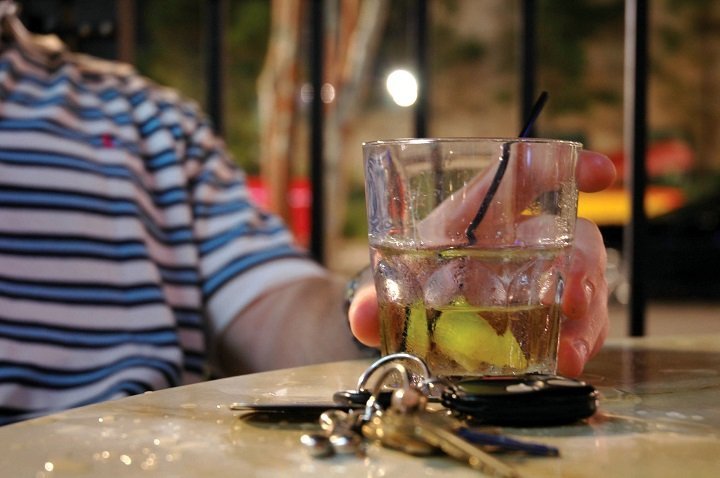
Do you drink alchohol in front of your children? It could affect your children in many ways. Here's what you need to know about parental drinking and how it affects children.
As more and more Indians mingling with the global crowd, alcohol consumption is gradually gaining an increasing level of social acceptance. As a result, nowadays, at most social gatherings, both at the home and in public places like clubs or hotels, alcohol is served and consumed without any inhibitions. Many also maintain a mini bar at home and, on most evenings, sit down to relax with a glass in their hand."If both parents are alcoholics and are unable to take care of their children, uninvolved parenting takes place. Children of alcoholic parents long for safety, security, love and belongingness.
- Karthik Lakshmanan, psychologist
What parents seem to forget is that children are constantly learning from interactions and experiences. Children acquire the ability to judge the actions of those around them quite early in their lives. So, parents must spare a thought about what their child think about parent's drinking habit.
Karthik Lakshmanan, counselling psychologist, Chennai Counselling Services, opines that by the time children are 7-8 years old, they can understand the difference between right and wrong, or good and bad acts. So, as even young children intellectually mature enough to judge their parents' actions as right or wrong, watching parents drink can upset them. Some children may go a step further and question their parents about their habit, which can hurt the self-esteem of the parent.
How alcohol affects parenting
Under the influence of alcohol, an individual becomes inattentive, slow in processing information, and thus slow in responding to communication directed at him or her. After consuming too much alcohol, a parent is unable to:
- engage in any meaningful interaction, which makes the parent seem inaccessible to the child
- make the child feel loved and secure; the sight of a tipsy parent makes a child feel anxious and nervous, and he is unsure of how the parent will react
- act as a positive role model; in fact, alcoholic parents act as negative role models, as they are inconsistent and neglectful in their behavior, make poor choices with regard to their children and family, and fall prey to other vices like gambling or drug use under the influence of alcohol. An article, 'Children Of Alcoholics: Genetics, Symptoms And Risks', published on addiction.com (2010) says, "Children of alcoholics are at more risk of developing problems with alcohol and other drugs than children of non-alcoholic parents. In fact, many scientific studies, including twin studies of children of alcoholics, show that children of alcoholics (COAs) are four times as likely to become alcoholics themselves as children whose parents are not alcoholics."
Lakshmanan says, "Under the influence of alcohol, parents don't remember what they would have said. They would say something when they aren't drunk, but when they are drunk, then would say something else. So, children get confused as they are unable to understand what is true. This causes a cut-off in the parent-child relationship." The situation turns worse for children in families where both parents are addicted to alcohol.
What happens when habit becomes an addiction
When one or both parents are addicted to alcohol, family ties become dysfunctional. The disintegration of parent-child relationship leaves children feeling lonely and vulnerable. With no one to turn to for guidance or help, children of alcoholic parents experience extreme levels of stress and fear. So, while alcoholic parents may not want to harm their child, they inevitably end up doing so. The chaotic family environment, little or no interpersonal relationship, and the resultant confusion, gives rise to feelings of insecurity and detachment in the child.
"If both parents are alcoholics and are unable to take care of their children, uninvolved parenting takes place. Children of alcoholic parents long for safety, security, love and belongingness," says Lakshmanan.
How it affects children
Along with the risk of growing up to become alcoholics, children of alcoholic parents also experience multiple other issues such as:
- Lower cognitive abilities
- Poor academic performance
- High drop-out rate from school
- Feelings of shame and embarrassment
- Inability to develop intimate relationships
- Lack of empathy
- Difficulty in sharing thoughts or feelings
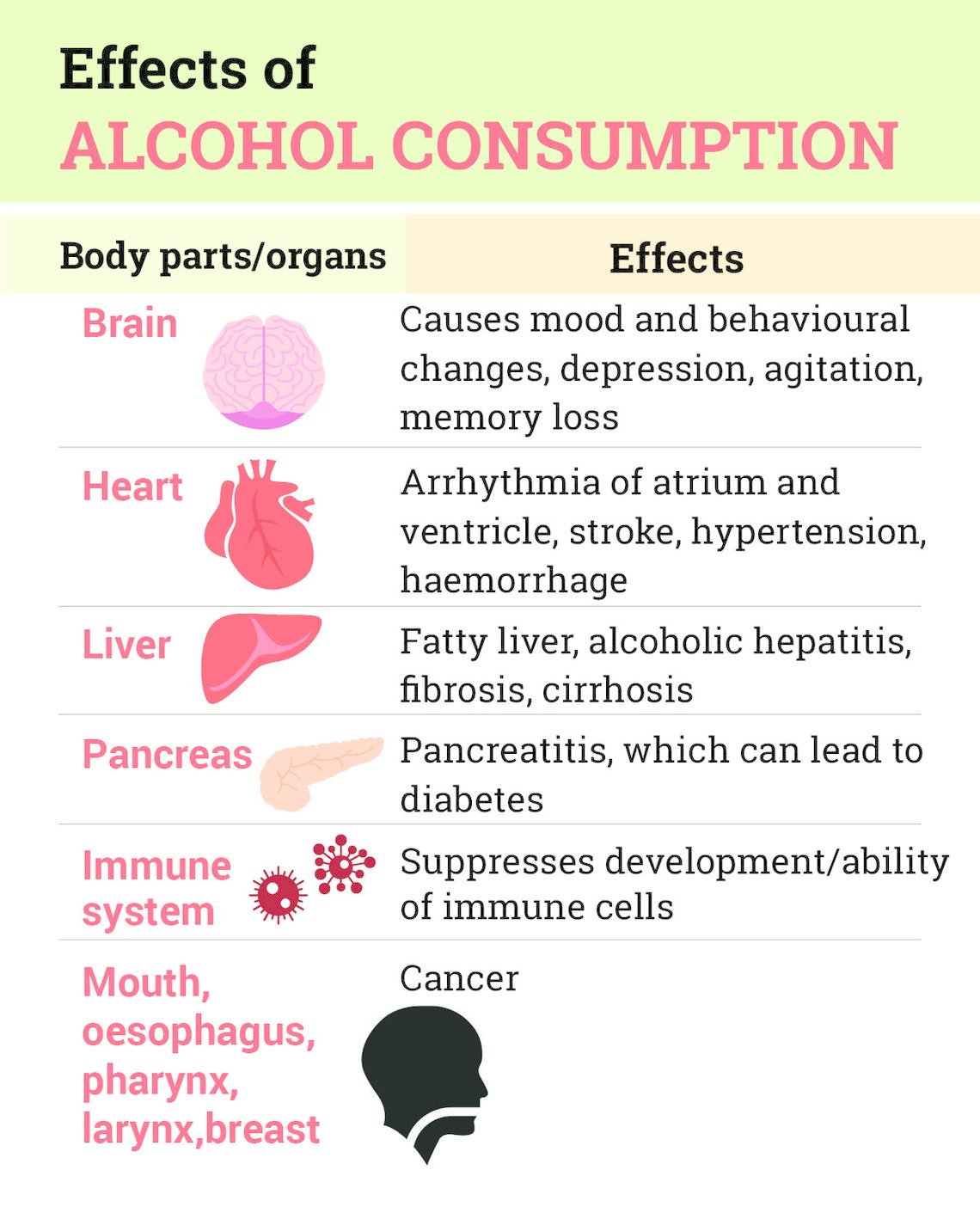
So, before pouring yourself a drink, ask yourself if it is worth sacrificing your relationship with your child to alcohol. If you are a social drinker, try to remind yourself of the fact that there are many ways of enjoying life without alcohol. If you are an alcoholic and are unable to get over the habit, get in touch with a counsellor who can help you quit the habit.















Comments
Edit
Comment Flag
Cancel Update