
When You Don't Like Your Child's Friends. Parents, Here Are Some Tips To Keep In Mind
Amrita Gracias
As your child grows up and his circle of friends expands, chances are that you may not like one or more of his buddies. So, what would you do when you don't like your child's friends?
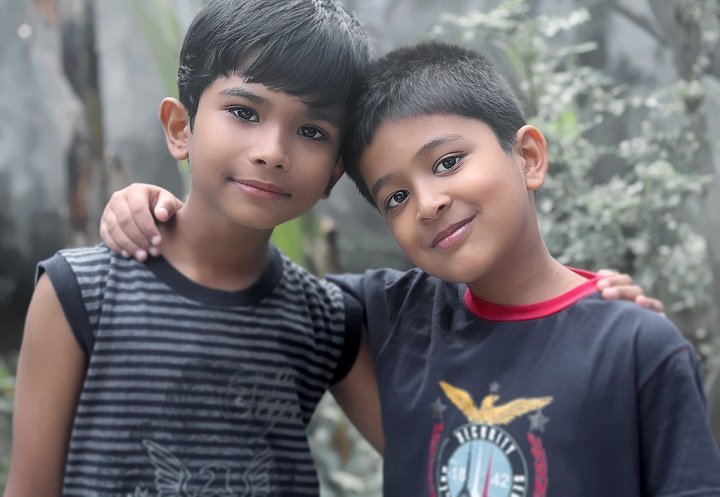
One of the most significant attributes of adolescence is the urge to make friends and maintain friendships. As preteens and teens begin to discover their identities and assert their independence, friends become an important part of their lives.
Healthy friendships provide emotional support and help in the development of good character, confidence, and social skills. Friends give a sense of belonging and security, especially during adolescence when children are dealing with various emotional and physical issues. Friends also strongly influence the choices and decisions that a child makes.
According to Dr Ravi Samuel, a Chennai-based psychotherapist, "Friends should enhance learning capabilities, facilitate personality development, and enjoy through active entertainment. More importantly, they should encourage corrections in thoughts and emotions, especially when they are inappropriate."
Therefore, it is extremely important that you get to know your child's friends. "Parents certainly need to know 'in-depth' about their child's friends," says Dr Ravi. "Just wishing them and enquiring about them may not be enough. Parents should spend time with their child's friends to learn about things like their habits, views about the world, and how they interact with their parents," he adds.
Knowing about your child's friends can help you understand their personality, the relationship your child shares with their friends, and the kind of influence friends exert on your child. Dr Ravi explains, "As preteenage and teenage are the formative stages of a child's life, bad company can ruin the child's future."
Your knowledge of your child's friends will also help you wean them away from friends who cast an undesirable influence on them. A few instances that should make you intervene are, when a friend:
- has a negative influence on your child's self-esteem and they begin to develop negative feelings about themselves
- is manipulative and often lands your child in trouble
- causes a decline in your child's academic performance
- is mean and bullies your child
- forces your child to experiment with smoking, alcohol, or substance abuse
- pushes your child to indulge in antisocial behavior like stealing or cheating
- is aggressive, rude, uses foul language, tells lies, has angry outbursts-habits which your child is picking up
While it is easy to make up your mind to keep your child away from one of their friends you don't like, it isn't easy to talk to your child and convince them. So, before you intervene, here are a few tips to keep in mind:
- Don't be too quick to judge: Take time to carefully identify all that makes you uncomfortable or suspicious of your child's friend. Speak to your child to find out why they think of their friend as someone special. This would help you learn more about your child's friend and why they value that friendship. For example, the friend in question understands your child in a way that others do not. You could also introduce yourself to the parents of your child's friend to gauge their values, attitudes, and orientation.
- Make your own observations: Before you point a finger at your child's friend, for some time, observe them and how your child behaves in their company. This will help you better evaluate your doubts about the friend, understand the relationship both the children share, and if the friendship is, in fact, toxic at all.
- Get others' perspectives: Do not make negative assumptions about your child's friend solely based on your suspicions. Talk to other friends of your child or even their parents to get their perspective as well. This will enable you to make a more objective assessment.
- Encourage befriending other children: Encourage your child to befriend other children and increase their circle of friends instead of hanging out with just one friend. This way, they will be able to discover for themselves how each friend influences them. And, if they need to end their friendship with one of them, they will have other friends to fall back on for support.
- Don't ban the friend: Don't try to prevent your child from talking to or meeting their friend unless necessary. For, doing so can have the opposite effect. Your child might refuse to see the reason behind your advice and rebel. A better idea would be to give your child alternate options like telling them to invite the friend home, where you can monitor them.
- Communicate openly: Talk to your child about their friend. Explain what you find concerning their friend. This will go a long way in helping them understand what makes you worry. To make your child think, you can ask questions like, "Is this how friends treat each other?" or "Do friends encourage you to do something wrong?" Avoid entering into an angry argument as this could prevent your child from opening up and sharing their feelings.
- Don't point out mistakes: When your child finally realizes that they should end the friendship, something you advised earlier, avoid lecturing them or giving them the 'I told you so' look. Don't point out their mistakes or bad-mouth the friend either. Offer your child your love and support, as breaking friendships can be emotionally taxing.
If at any point you feel that your child is in danger or might land in serious trouble because of their friend, don't hesitate to step in. Make your child understand that their safety is of the utmost importance and it is advisable to steer away from toxic friends. Do seek help from counselors or psychologists if your teen is seriously troubled by any of their friends, and you're unable to help.
































Comments
Edit
Comment Flag
Cancel Update