
When Friendships Go Wrong: How Parents Can Help Children Cope And Move On
Akshaya Ganesh
author parentcircle author parentcircle author parentcircle author parentcircle author parentcircle author parentcircle author parentcircle author parentcircle author parentcircle
Not all friendships last, and when things go wrong, children may feel hurt or confused. Learn how to support your child through the ups and downs of friendships with empathy, guidance, and practical coping tools
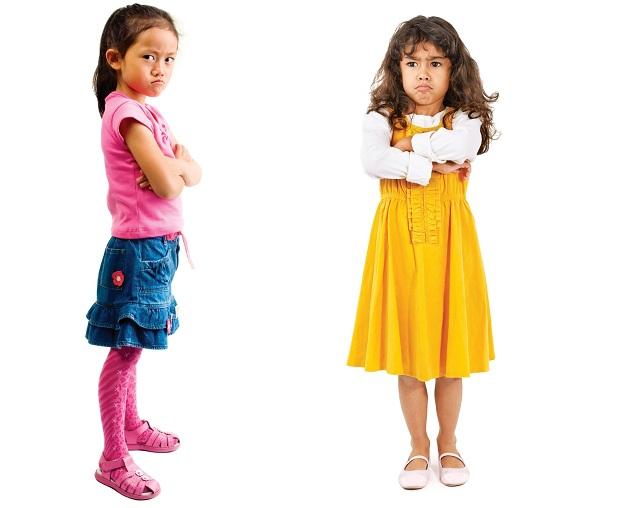
Friends play a vital role in a child’s life—bringing joy, sharing laughter, and offering a shoulder to cry on during tough times.
But all is not always well, as was the case with Anamika and Ramya. They were the best of friends, absolutely inseparable, sharing everything. But something went wrong somewhere, and their once strong bond of friendship began to weaken until they finally drifted apart.
How to spot a broken friendship?
Children change as they grow, and along with it, friendships change too. Any relationship passes through difficult phases, and so it is with friendship. It calls for emotional skills and support from others to wade through these phases. A broken friendship is very painful, often leaving behind scars.
Renowned psychologist, Carl Pickhardt, writes in his blog titled Surviving (your child's) Adolescence, "Like most gifts in life, these relationships are double-edged, the hardest side becoming apparent when the friendship comes to an end, and at least one party is truly bereft on two counts. First, a good friendship proves not to be forever. And second, how will they ever find a good friend again?"
"A broken friendship can be a serious problem. If your child has a close friend, and if that bond breaks, it can lead to serious clinical issues like depression and social exclusion," observes Bhuvanesware B G, Founder-Director, Let's Talk, a child, teen and parental counselling centre.
Therefore, parents need to identify the symptoms of a broken friendship. You can sense a problem if your child:
- No longer talks to or hangs out with a particular friend
- Lacks appetite and shows disinterest in everything
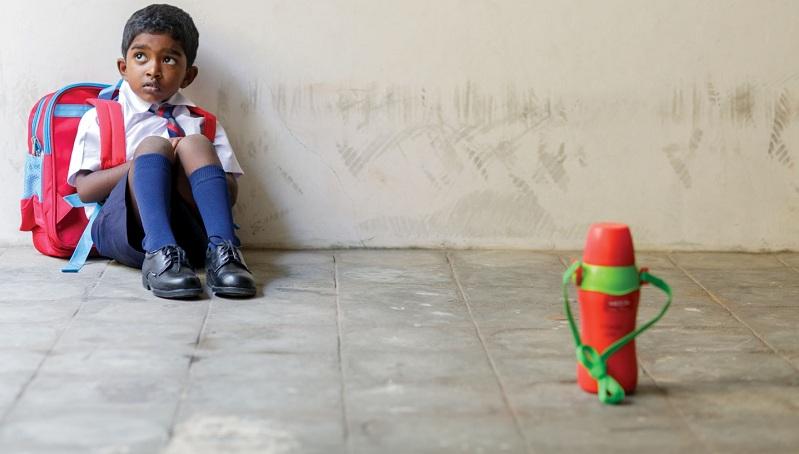
- Suddenly becomes very reclusive and goes quiet
- Starts giving lame excuses to skip school
- Their grades are dropping
Helping your child deal with a broken friendship
Anamika and Ramya's friendship revived, thanks to the efforts of their parents, who helped them sort out their differences. If your child is also experiencing a broken friendship, here's how you can help them through this difficult time:
Spend time with your child
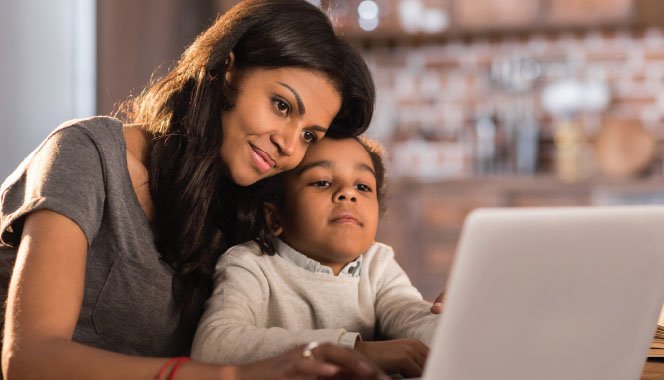
A broken friendship can be a traumatic experience. Spend as much time as possible with your child during this period and try to understand their feelings. It helps the hurt heal faster. "Children sometimes also exhibit self-harming behavior. Often children say things like, "I will hurt myself if you don't talk to me," says Bhuvanesware. You can help your child get over such feelings by helping them talk about their hurt feelings.
Understand what really happened
Have a heart-to-heart conversation with your child about what happened. They may be too emotional to give you an unbiased picture. It may help to find out the other side of the story by talking to other friends of your child or teachers, or other parents. But make sure you do not blame or point fingers at anyone. Knowing the whole story will help you guide your child, should you advise your child to make amends, or is it best for your child to move on and make other friends? Let your child lead the way.
Help as needed
If the differences can be easily sorted out, encourage them to mend the bond. Make them understand that true friendship is too beautiful to be destroyed. "Parents should encourage their child to talk things out with a friend. This will help overcome guilt," says Bhuvanesware.
But if you sense that the friendship is beyond repair, then it is best to help the child move on and make other friends. Bhubaneswari also cautions that parents should interfere only when necessary. She says, "I have seen parents interfere with the smallest of things relating to their child. In such cases, the child's individuality gets affected, and peers start to refrain from opening up to the child, assuming that she may tell everything to her parents."
Keep your child engaged
If your child is upset over a friendship issue, don’t let them withdraw into sadness. Gently encourage them to stay engaged by joining a hobby class, watching a feel-good movie, or spending time outdoors. These small steps can help shift their focus and lift their mood. Also, encourage them to reconnect with other friends or make new ones. Staying socially and emotionally active can help prevent the stress from becoming overwhelming.
Seek help
The reasons may be silly or serious, but a broken friendship is bound to hurt. If your child finds it hard to get over a broken friendship and remains depressed, get them help. Take them to a counselor who is better equipped to deal with such issues.
Handle your friendships well
Your children are a reflection of you, and they will deal with relationships just as you do. If you resort to breaking ties with your friend for no reason, your child will follow suit. Furthermore, they will cite you as an example to defend their actions. Therefore, as a responsible parent, you need to set a good example in sustaining friendships.
Emphasize the importance of relationships
Encourage your child to cherish relationships. Your child needs to realize that while it takes years to build a friendship, a fallout can happen at the drop of a hat. Therefore, relationships should be nurtured with care. Bhuvanesware says, "By the time children enter pre-teens, they start to develop specific personality traits, and how they handle their friendship is a reflection of how they would handle all other relationships in life."
Above all, remind your child that the memories of good friendships will help them savor life's goodness, as we see in Helen Keller's words, "So long as the memory of certain beloved friends lives in my heart, I shall say that life is good."
























Comments
Edit
Comment Flag
Cancel Update