
Child Sexual Abuse: What It Is And How To Protect Your Child
 Arundhati Swamy 8 Mins Read
 Arundhati Swamy
Mother, grandmother, family and school counsellor
Understanding child sexual abuse is the first step to prevention. This article explains what it is, how to spot warning signs, and offers practical ways you can protect your child and create a safe, open environment for them to speak up
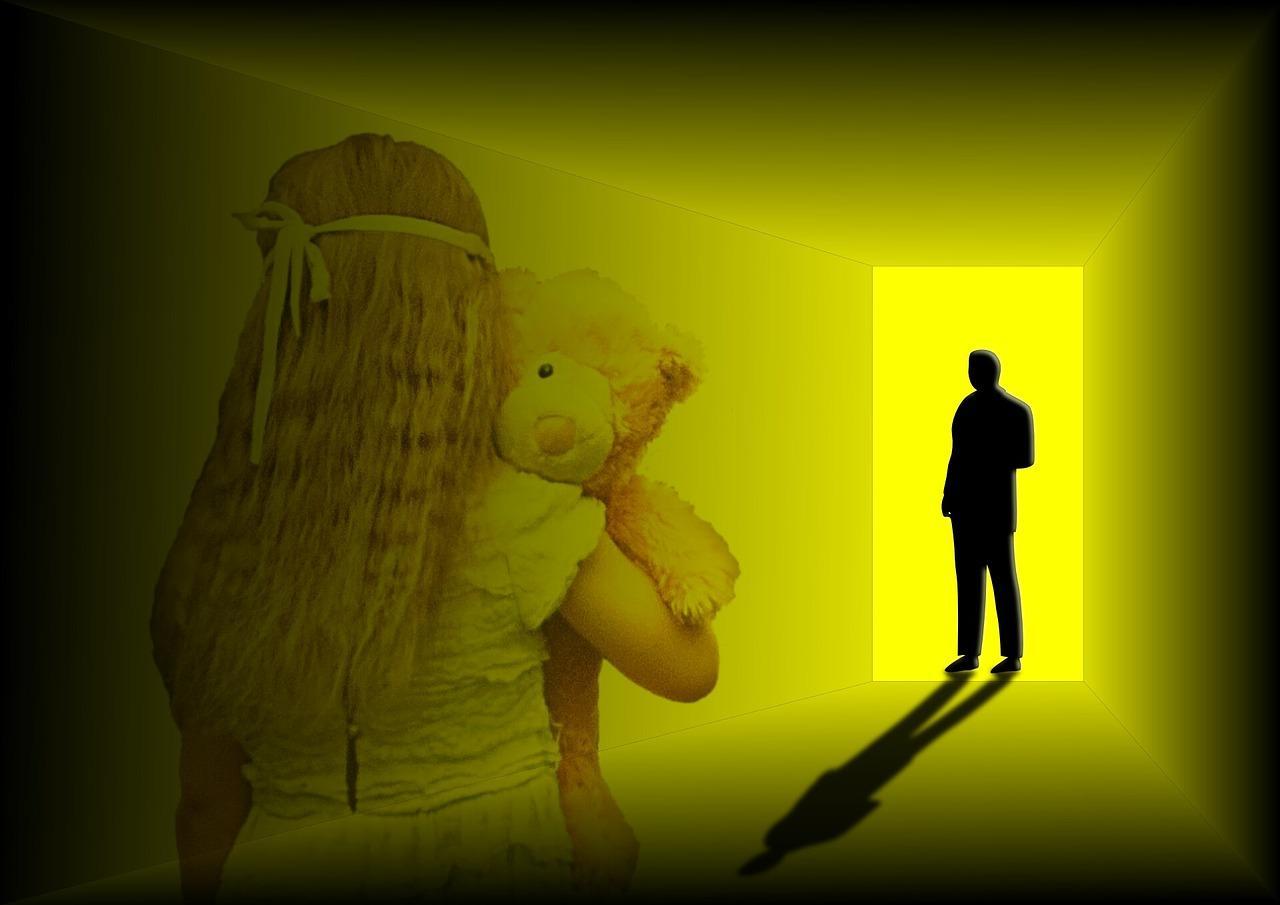
How can you keep your young children safe from the unseen, unsuspecting individuals who prey upon their innocence and trust? Contemporary studies reveal alarming statistics about the harsh truths of child abuse. News reports, books, films, social media, and awareness campaigns are drawing a lot of attention to the distressing frequency with which cases are reported or discovered. Thus escalating our fears for our children's safety.
A hitherto taboo subject, child sexual abuse is gradually receiving its due consideration in our society that once ignored, or refused to believe that it has been widely prevalent since yore. Spurred by emboldened activists and the right of all children to be protected from all forms of abuse, neglect, exploitation, and violence, as set out in the UN Convention on the Rights of the Child 1989, the Indian Parliament in 2012, passed the Protection of Children from Sexual Offences Act (POCSO).
What is Child Sexual Abuse (CSA)?
CSA occurs when an adult or older adolescent uses a child for sexual stimulation.
Types of CSA
The following information has been reproduced with permission from TULIR, Centre for the Healing and Prevention of Child Sexual Abuse, Chennai. http://www.tulir.org/childsexualabuse.htm
Types of Child Sexual Abuse
Child Sexual Abuse includes Touching and Non-Touching Behaviors (but need not be limited only to these acts).
Touching behaviors include:
- Fondling a child's body for sexual pleasure.
- Kissing a child with sexual undertones/inclinations.
- Rubbing genitals against a child's body.
- Sexually touching a child's body, and specifically private parts (breasts and genitals). Includes encouraging or forcing a child to do likewise.
- Making a child touch someone else's genitals, or playing sexual ("pants-down") games.
- Encouraging or forcing a child to masturbate, with the child as either a participant or observer.
- Encouraging or forcing a child to perform oral sex (mouth-to-genital contact on or by the child).
- Inserting objects or body parts (like fingers, tongue or penis) inside the vagina, mouth, or anus of a child; includes attempts of these acts.
Non-touching behaviors include:
- Encouraging a child to watch or hear sexual acts either in person or lowering the bars of privacy.
- Looking at a child sexually.
- Exposing one's private body parts to a child (exhibitionism).
- Watching a child in a state of nudity, such as while undressing, using the bathroom, with or without the child's knowledge (voyeurism).
- An adult making suggestive comments to the child that are sexual in nature. Commenting on the sexual development of a child.
- Encouraging or forcing a child to read/watch pornography, giving pornographic material, or using the child in pornography.
All children are at risk for abuse. The abusers 'groom' the victims carefully, building their trust by giving them gifts and making them feel special. Typical socio-cultural values such as implicit obedience and respect, and compliance towards adults, also make children vulnerable. Furthermore, many parents/caregivers are either uncomfortable talking to their children about sexuality, or they don't know how or what to say. Statistics indicate that both boys and girls are equally vulnerable to sexual abuse. Domestic violence, drug or alcohol abuse at home, and disabilities may also make children vulnerable, who would therefore need more support and protection.
Whom do you keep your children safe from? Distressing as it may sound, family members, both male and female, are not beyond suspicion. Friends, acquaintances, strangers, neighbours, caretakers, visitors, persons with authority, drivers, domestic staff, school staff, and just about anyone could be a potential predator.
Why are children afraid to disclose abuse?
Children don't know how to handle the difficult feelings of guilt and fear.
Guilt - It's my fault, I put myself in the situation, I deserve it, sometimes it felt nice, I am bad.
Fear - Will I be believed, will I be blamed, what will my family say, will I hurt them, will they stop loving me, frightful threats from the abuser, betraying the self, changes in relationships, shame.
Since guilt and fear prevent children from seeking help, there are possible signs and symptoms of CSA to look for in their behaviors.
Children who are sexually abused may:
1. Stay away from certain individuals
- They might avoid being alone with individuals, such as family members or friends.
- They could seem frightened of individuals or reluctant to socialize with them.
2. Show sexual behaviour that is inappropriate for their age
- Advanced sexual knowledge/behavior beyond their level of development/visual detail of sexual activity
- Sexualized behaviours (can also be present in non-abused children)
- Acting out sexualized behaviour
- Behavior not consistent with children of the same age
- Expressing with toys, to peers or adults
- Other children/adults complain about their behaviour
- Do not respond to limits placed on the behaviour
- Withdrawn/depressed/aggressive/self-destructive
- Sudden decline in school performance
- Might become sexually active at an early age
- Might be promiscuous
- Could use sexual language
- Knows information that you wouldn't expect them to know
3. Show physical symptoms
- Anal or vaginal soreness
- An unusual discharge
- Sexually transmitted infection (STI)
- Pregnancy
Warning signs in teens/adults who interact with children
- Favoritism and/or special privileges
- Prefers the company of children other than their own
- Finds ways to be alone with a child
- Ignores a child's verbal/physical cues of not wanting to be hugged, kissed, talked to, etc.
- Does not respect a child's/teen's privacy in the bathroom or bedroom
- Discusses or asks a child/teen to discuss sexual experiences or feelings
- Befriends the adults in the child's family with the motive to get to the child
- Gives gifts to a child
- Displays age/gender preferences
Using the right words to explain the touching rules
When teaching children to be safe, avoid using the terms 'good touch' and 'bad touch', because abusers can very easily manipulate children into believing that what is being done to them is 'good'.
The correct terms to use are 'safe touch', 'unsafe touch', and 'confusing touch'.
The safe touch makes a child feel loved, supported, and cared for, and comfortable with self and the person.
The unsafe touch makes a child feel doubtful, uncomfortable, physically and emotionally hurt, afraid, and repulsed.
The confusing touch makes a child experience mixed feelings. The touch can 'feel good' because of the stimulation, and yet, instinctively, guilt may arise. The child is led to believe the touch is a special privilege, but also feels uncomfortable and unsure.
What you must teach your children
- To be the boss of their bodies, and why and how they should keep themselves clean and healthy.
- The private body parts are those covered by the undergarments. The mouth is also a private part.
- No one needs to look at, touch, or photograph their private body parts, except for cleanliness and health reasons.
- There is never a need for them to look at or touch someone else's private body parts.
- It is never their fault if someone breaks the touching rules. Teach them to say NO and move away. If they can't get away immediately, it is still not their fault.
- To never keep it a secret, to tell an older person whom they trust, and to keep telling till someone listens and keeps them safe from the predator.
How to respond to a child's disclosure
When a child discloses sexual abuse or molestation, it is one of the most devastating experiences for parents and caregivers, and an alarming experience for the child.
The first step to take in dealing with the situation is to take care of yourself. The matter could leave you feeling shocked, angry, confused, emotionally drained and helpless.
Reassuring things to say when a child discloses:
- I believe you.
- You are not to blame.
- I am glad that you told me.
- I will help you.
Things not to say when a child discloses:
- You should have told someone before.
- I can't believe it! I am shocked!'
- Oh, that explains a lot.
- A family member will never do this.
- My friend would never do this.
Things to do
- Reassure the child that it was right to tell you.
- Give the child time to talk about the situation. Avoid pushing for details or asking too many questions.
- Tell the child that, with their permission, you will only tell people who are going to help them, not anyone else.
- Keep the child safe from the abuser.
- Immediately seek the help of competent people.
- Seek help for yourself if you feel you need support.
Things not to do
- Do not justify, offer alternative explanations, make excuses for, or disregard the seriousness of the abuser's behaviour.
Where to get help
- Approach local agencies that work with the victims and their families.
- Seek the support of a qualified counsellor who has also trained in this area of work.
Connect with us on Facebook | Twitter | Instagram | and YouTube

























Comments
Edit
Comment Flag
Cancel Update