
We Bring You 5 Handy Everyday Tips For Parents To Help Their Kids Learn Good Manners
Ashwin Dewan
Tired of saying the phrases ‘Say thank you,’ ‘Say sorry,’ etc., to your child? And that too on a regular basis? Fret not. We got you covered with these quick tips
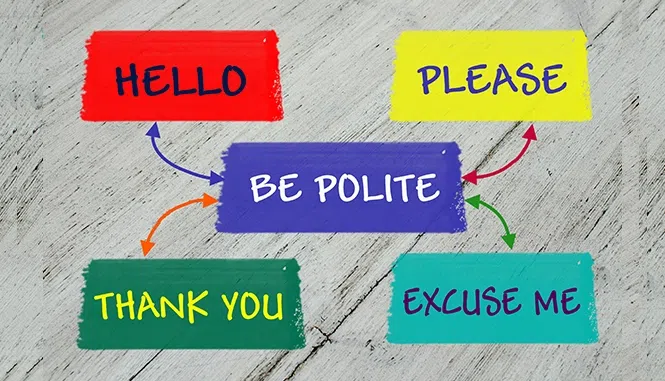
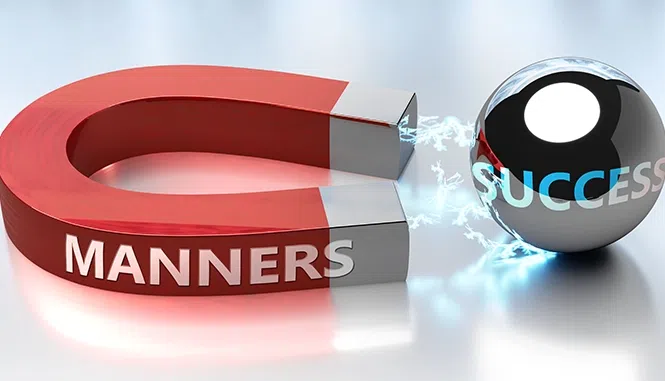
Good manners will open doors that the best education cannot. — Clarence Thomas, an American jurist
Almost every generation has grown up hearing these phrases from their parents: “Say thank you,” “Say sorry,” and “Say please.” Yes, that includes the parents as well. But why do we place great emphasis on making children learn good manners?
Bringing up children with good manners is one of the greatest contributions you can make as a parent. Manners play a vital role in a child’s life. Good manners will help children get along with others in school, later at the workplace, and in society in general.
Making children, especially the younger ones, learn good manners through instructions can prove to be overwhelming. It all depends on the approach. Remember, a strict approach may not yield results and could prove to be detrimental. Start by giving your child a few phrases to practice. Each for different situations. For instance, if relatives or friends buy chocolate for your child, tell your child to say “thank you” to express their gratitude.
Children who exhibit good manners also show that they are listening and learning from their parents, starting from home. This brings us to the question of the importance of reinforcing good manners in children. And we have some handy tips.
Tip 1: Keep expectations age-appropriate
One key way to reinforce good manners in children is tailoring expectations as per the child’s age and stage of development. For instance, toddlers can be introduced to good manners through simple phrases like “thank you,” “please,” and “I’m sorry.” Remember that toddlers may have limited patience as compared with older kids. Children in elementary school can learn to introduce themselves and behave with house guests. Teenagers can learn more advanced good manners like talking politely over the phone.
Note: It is helpful to focus on one manner first before moving on to the next, rather than trying to dump everything on your child at once.
Tip 2: Provide clear-cut explanations
Now that we have listed the important factor of age when it comes to children learning good manners, it is vital to note that imparting good manners will not work without proper and clear explanations.
Chewing food with an open mouth, wearing shoes inside someone’s house, and nose-picking are not considered good manners. But children may not know WHY these behaviors are socially unacceptable. Here is where explanations come into play. Always explain clearly why these actions are considered bad manners and may, in fact, seem rude. You can try saying:
“Do not chew with your mouth open, as it can look bad to other people.”
“Don’t forget to take the shoes off when entering anyone’s home, as shoes are dirty.”
Tip 3: Use role play to show good manners to your child
Children love enacting characters, especially those from cartoons. One great way to instill good manners in little ones is to provide opportunities that will help them practice good manners. And what better outlet than role-playing? It gives children a chance to practice good manners in a safe environment that they will eventually get used to and start practicing in the outside world.
Tip 4: Be a role model
By being a good role model, many of you may probably have laid the groundwork for good manners in children. Home is the first and most important environment where children learn many basic skills of life, including good manners.
Tip 5: Show videos that emphasize the importance of good manners
Today, there are so many animated videos with moral lessons for children. Many of these videos show the importance of good manners. And children love cartoons. In short, a win-win situation for parents. Such videos can be a great way to engage and entertain children while showing the importance of good manners.
5 Basic Good Manners For Children To Learn
|
Helping children learn good manners is an integral part of parenting, requiring considerable time, patience, and the need to lead by example. Although not without its challenges, this process can be facilitated through consistent and clear explanations.

















Comments
Edit
Comment Flag
Cancel Update