
Importance Of Sibling Relationships In Child Development: Why Sibling Bonds Matter In Life
Vani Venugopal
Siblings are a child's first best friends! Discover the importance of sibling relationships and the benefits of having siblings in shaping empathy, social skills, and a healthy sibling bond that lasts a lifetime
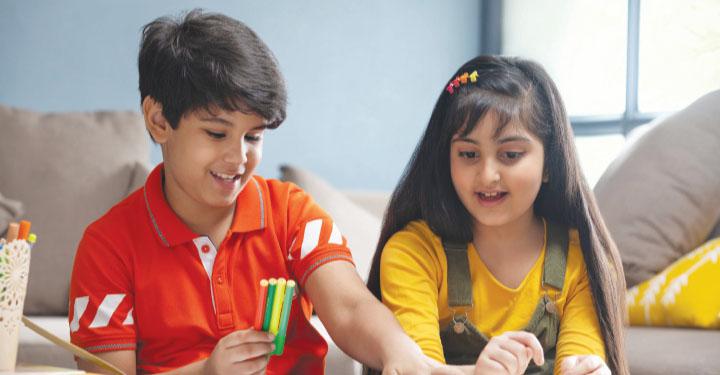
We often hear it said that the best gift you can give a child is a sibling. And those of us who have siblings will agree. As much as they annoy and tease us while growing up, having a sibling gives us someone to navigate life together, a lifelong friend to share our joys and sorrows, and a witness to the story of our lives.
Siblings are our first friends and the earliest teachers. They are a key influence on us during our formative years and play a significant role in molding the adults we grow to be. It's from them that we first learn how to interact with others, care for others, make friends, share, have disagreements, and so much more. Our relationships with our siblings impact us throughout our lives.
The importance of sibling relationships
When we talk about child development, there's a lot of focus on parent-child relationships. While this is crucial, understanding the importance of sibling relationships is just as vital for the healthy development of children. Children spend most of their time with their siblings, and in most cases, their relationships with siblings may be the longest in their lives, outliving parents, partners, children, and even childhood friends.
There are many ways in which having a sibling benefits a child. Apart from the friendship and companionship that brothers and sisters provide, research has shown that sibling relationships can impact a child's physical, social, and emotional growth and development. Let's look at the different ways a healthy sibling relationship benefits a child.
Benefits of a healthy sibling relationship
Raising empathetic children through sibling bonds
Living with a sibling creates many opportunities for emotional growth. It allows a child to share space and resources with another person and understand their perspective, thereby helping build empathy. One of the most profound benefits of having siblings is that it helps children develop more empathy and be more selfless. In a 2018 study published in the journal Child Development, researchers found that children who shared a loving bond with a sibling grew up more empathetic.
Having a healthy sibling bond was also found to promote kindness in children. A study by Brigham Young University (BYU) in the US found that having a loving sibling promoted good deeds like helping a neighbor or assisting other children at school. In fact, a strong sibling bond was found to have a more significant impact on fostering charitable attitudes than having loving parents.
The role of sibling bonds in children's mental health
Having a sibling gives children easy access to someone to share their thoughts and feelings. Research has found that most children are more likely to confide in a sibling than in a parent. This, in turn, gives a healthy outlet for their feelings and promotes their mental health. The BYU study found that having a sister protects teens from loneliness, guilt, self-consciousness, and fear. The positive impact on mental health continues well into adulthood, as studies have shown that senior citizens with siblings are less susceptible to loneliness and depression than those without siblings.
Siblings as teachers: learning and cognitive growth
- Siblings are in many ways our first teachers. In his seminal book Sibling Relationships across the Life Span, psychologist Victor Cicirelli describes how, when a new baby comes home, the older sibling learns social skills by interacting with the baby, and the younger sibling learns cognitive skills by imitating the older one.
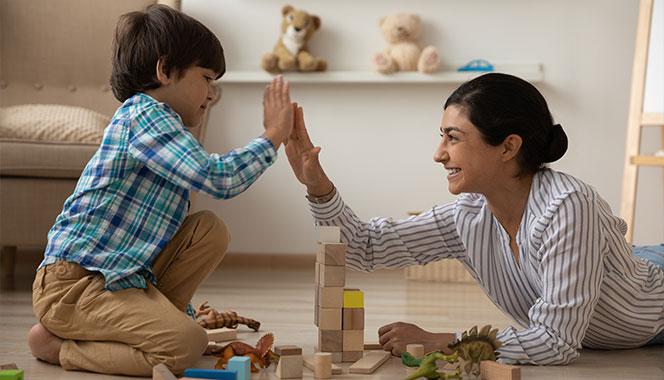
- Playtime between siblings is very beneficial for their development. Having someone to play with and share ideas with helps children develop their cognitive, motor, critical- thinking, problem-solving, and language skills.
- Several studies show that siblings can help children develop the theory of mind, awareness of other people's thinking, faster. In a 2000 study published in the journal Cognitive Development, researchers explained that the opportunity to play, converse, and disagree with siblings provides children with insights into how the human mind works.
Building social skills through sibling relationships
- Siblings encourage peer interaction and cope with differences early on. Even the fights and jealousies between siblings are beneficial if handled positively. They help children resolve conflicts, bargain terms, work together, and set boundaries.
- In the process, siblings pick up valuable lessons in patience, acceptance, and forgiveness.
- Sibling relationships teach children to build friendships, form connections with peers, and interact with coworkers.
- Growing up with a sibling who is different from them helps a child embrace differences, a valuable life skill.
Strong sibling relationships and a longer, healthier life
The strong social connection that siblings provide could help a person live longer. A 2010 study published in the journal PLOS Medicine has found that strong social connections can increase our longevity. Researchers found that, on average, people with strong social bonds lived approximately 7.5 years longer than others. They believe this is because having the support of loved ones helps us take care of ourselves better and find help when we need it.
Sibling relationships and long-lasting happiness
Connection is key to happiness. It should be no surprise that having a loving sibling relationship can bring us happiness. Research has shown that this lasts well into the future—older people with siblings were found to have better morale than those with no siblings. In fact, strong sibling bonds have proved to positively impact indicators of well-being and happiness, such as physical health, stress, loneliness, and satisfaction in middle and old age. A Swedish longitudinal study published in The International Journal of Aging and Human Development found that people in their 80s with strong sibling bonds had better indicators of good health and positive mood. In fact, satisfaction from the sibling bond was found to be greater than the impact of friendships or relationships with adult children.
7 ways to nurture a strong sibling bond
Sometimes, sibling relationships seem beyond our control. When children constantly fight, it's challenging to help them resolve conflicts and form a loving bond. What if they are too different to get along? Don't give up hope just yet. Knowing how to strengthen a sibling bond doesn't require grand gestures— there are several simple, everyday ways in which you can actively promote a healthy bond between siblings.
1. Respect each child's unique needs
As every child is unique, treating children equally isn't always the best idea. The same treatment will not yield the same results in two children, as their needs and personalities differ. For instance, many parents buy their children the same toys to avoid conflict. However, while one child might be pleased with a book as a gift, another might prefer a toy car. Buying toys that reflect their individual interests might be a better strategy here.
Therapists now ask parents to treat children equitably rather than equally by tailoring rules, consequences, and expectations, so that each child's individual needs are met. For instance, you can ask your teenager to do his laundry, but it might be too tricky for your 7-year-old. So, ask your younger child to put their used clothes in the laundry basket instead.
2. Why you should never compare your children
If you could do only one thing to promote healthy sibling bonding, let that be avoiding comparisons. When you compare your children's abilities, you make them feel insecure and harm their self-esteem. It also brews unhealthy competition and resentment between the siblings. Avoid statements like, "Why can't you stay quiet like your sister?" or "Learn from your brother; he keeps his room so clean!" Also, avoid playing favorites and taking sides when there's a conflict.
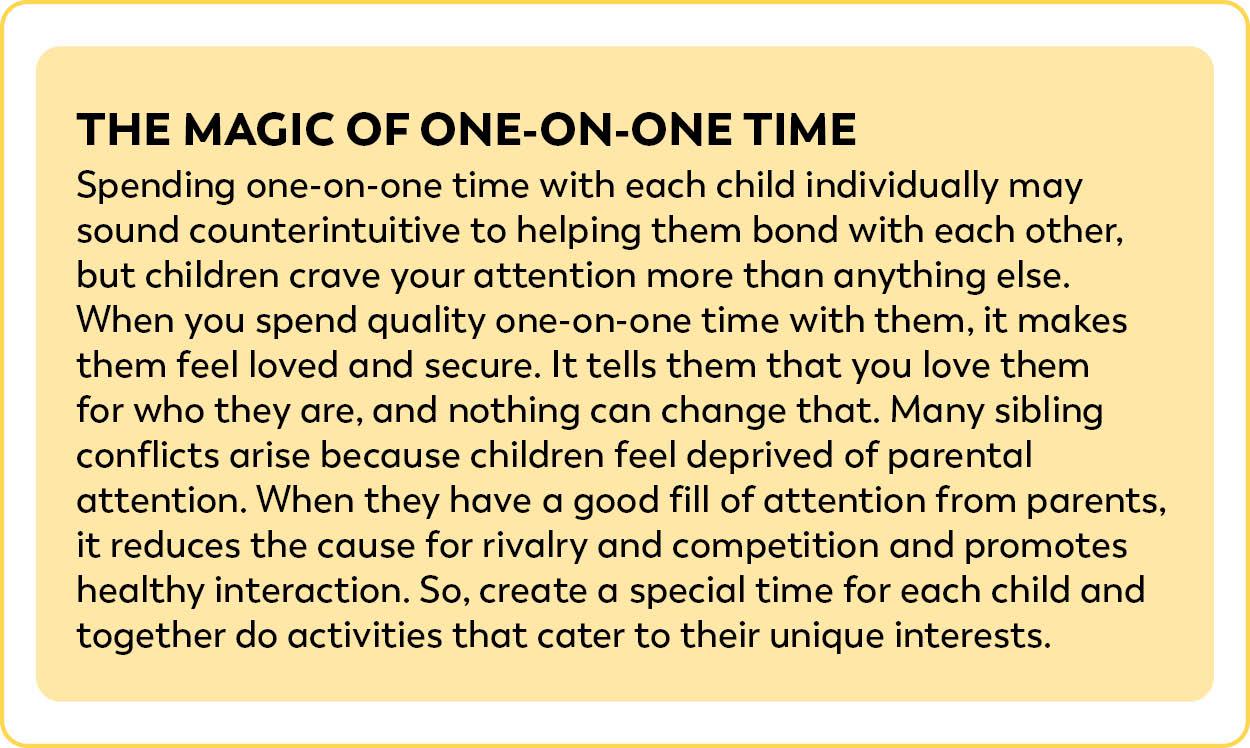
Your children shouldn't feel that they are being treated differently. Remind each child how special they are and that you value them by spending one-on-one time with them.
3. Help your children learn how to resolve conflicts
- Disagreements and conflicts are a normal part of sibling relationships. If handled positively, conflicts can turn into opportunities for growth and bonding.
- When your children fight, judge the severity of the conflict. If it's a mild or moderate conflict, give them a chance to resolve the dispute on their own. Consider stepping in only if you feel that the conflict is severe.
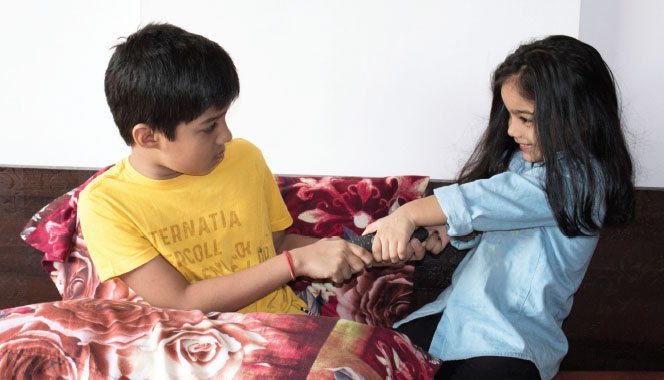
- Allow the children to communicate what upsets them. Lead them through gentle questions and encourage them to find solutions to their conflict on their own. If they are fighting over a TV remote, ask if they can take turns using it.
- This way, you can help them build problem-solving and negotiation skills while making them feel heard, respected, and valued in the family.
4. Simple ways to promote sibling bonding time
- Create opportunities for your children to spend time together. Children wouldn't always want to spend time together, especially siblings with wider age gaps.
- It's up to you to encourage them to find things to do together. By spending time together, children can build a reservoir of positive interactions and good feelings for each other that will help them in times of conflict.
- Create a special time just for them to have fun doing something they like, without parents. It could be 10 minutes of sibling time every day, movie night once a week, or a few hours of free play on weekends.
- Find out what works best for your family. Make your children feel that this sibling time is something special to look forward to.
- Making structured sibling time a part of the children's daily routine helps keep their connection alive.
5. Fun activities that encourage teamwork between siblings
- Shared activities are a great way to help siblings develop their bond. Get them to team up for household chores.
- When you play games together as a family, ask the kids to form a team.
- Parents often pit children against one another to get them to do tasks. However, this can hinder the development of a healthy bond between the siblings.
- Instead, ask them to do the task together. So instead of saying, "Let's see who does a better job of clearing the table. The winner can spend more time at the park", say, "Can you both work together to clear the table in 15 minutes? This way, we will have more time to spend at the park."
6. Help children appreciate each other's differences
- Sibling relationships are the best opportunities for children to learn acceptance and embrace differences.
- Siblings have very different interests and temperaments. Often, this can lead to conflict. For instance, one child wants to stay at home and watch TV while the other wants to play outside.
- In these situations, help your children to respect each other's differences. Encourage them to communicate and empathize with each other.
- Remind them that despite their differences, they are still part of the family and love each other.
- Point out how their differences make them stronger together.
7. Teaching children to set healthy boundaries with siblings
- Children love to test limits and see how far they can go. So, it's important to help them understand physical and emotional limits.
- Encourage them to respect each other's boundaries. Set clear ground rules and let them know what the acceptable and unacceptable behaviors are. When things like teasing or roughhousing go too far, intervene and tell them that it's not okay.
- Another way to help establish boundaries is to give each child some physical space of their own.
- If they are sharing a room, cordon off some space using curtains or screens. You can even use a DIY tent to give them their own private space.
- This way, a child will have a safe space to go when they feel overwhelmed or want to be by themselves. This will help them recharge until they are ready to interact and play with their siblings again.
These are a few practical steps to help children bond with each other. While all of them can contribute to a healthy sibling bond, the most important thing we can do as parents is to love our children unconditionally. When they feel loved and valued, they develop the emotional strength to build deep, meaningful connections with each other. This is perhaps one of the most important things we can do for our children because by helping them nurture a loving relationship with their sibling, we give them a friend for life.
Strengthen your children's relationship with fun and easy bonding activities for siblings - Click to explore!






















Comments
Edit
Comment Flag
Cancel Update