
Interesting Team-Building Games for Children To Bring Out Your Child's Team Spirit
Sahana Charan
Do you want your child to work seamlessly with their friends and build qualities of trust and problem-solving? Here are some engaging games that will bring out the team-player in your child
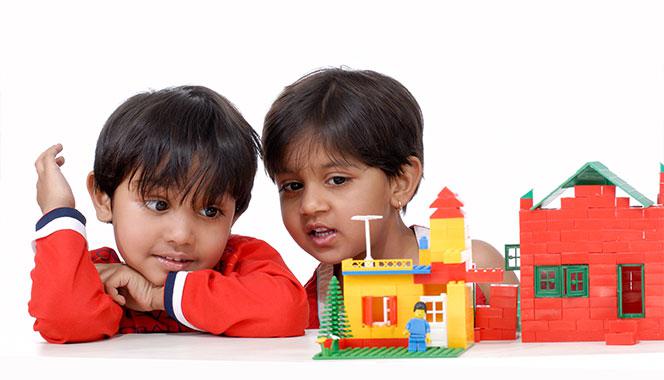
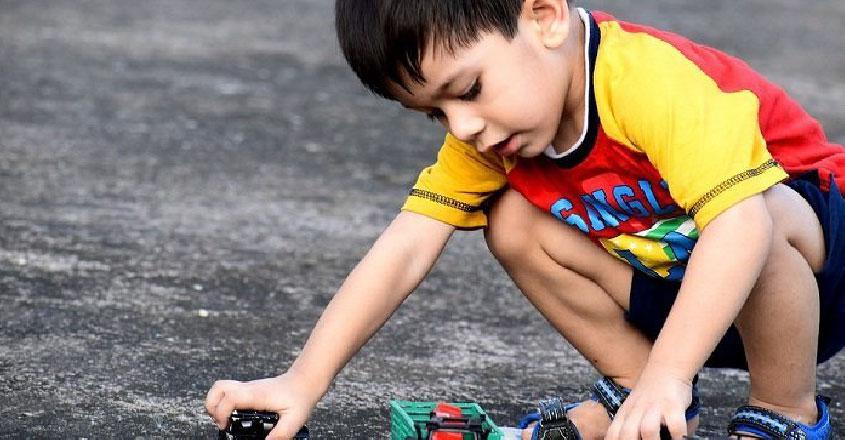
It is just another day in the play area of an apartment complex and children are busy with various activities based on their age. The little ones are creating their own masterpieces in the sandpit, while the older children are playing badminton. There are other groups of children playing in the vicinity. But six-year-old Adi sits around playing with his electronic gadgets. He does not try to join his peers, even though they call out to him.
As a parent of this child or any concerned parent, what would you do? Would you encourage the boy to join one of the groups? Or you can out to a few children of their age and engage all of them in a team-building game.
Shy children prefer not to be the focus of attention. So, engaging such children in team-building activities that are structured but do not get them out of their comfort zone, will help them learn the importance of cooperation. Team-building games are not just a prelude to some sporting activity. They teach important skills and build positive qualities in your child. When a child is playing a team game, they learn how to be patient, the box and to work together amicably to achieve a common goal.
These games help children of all ages build trust in their peers/teammates, encourage creative thinking and problem-solving skills, and promote peaceful cooperation and commitment. These qualities hold them in good stead when they become adults and must step out into the big bad world.
Here are some interesting team-building games for children:
1. Jigsaw puzzle (Ages: 7-14 years)
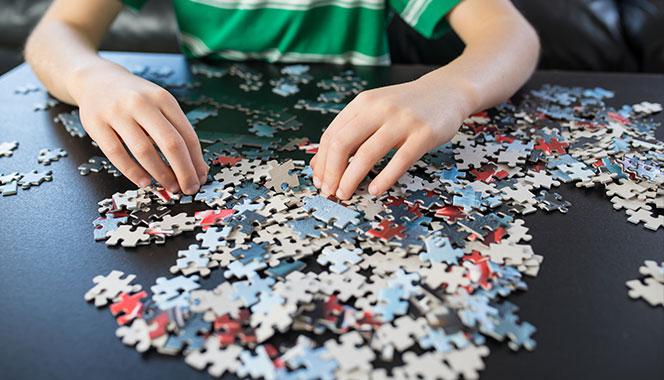
Puzzles always pique a child's curiosity. A complex jigsaw puzzle with many elements needs good coordination from a team to put together. This game needs a group of at least 4-5 children. You can play this game with a block puzzle or one with cut-out pieces.
Give each child a set of pieces, which is part of the bigger puzzle. Firstly, each participant needs to put together their set, before all the team members come together to join all the pieces. Based on where each set of pieces fits in the larger puzzle, each of them will have to adjust their set. They will learn cooperation, decision-making, and creative thinking in this interesting team-building game.
2. Jumping Rope (Ages: 5-8 years)
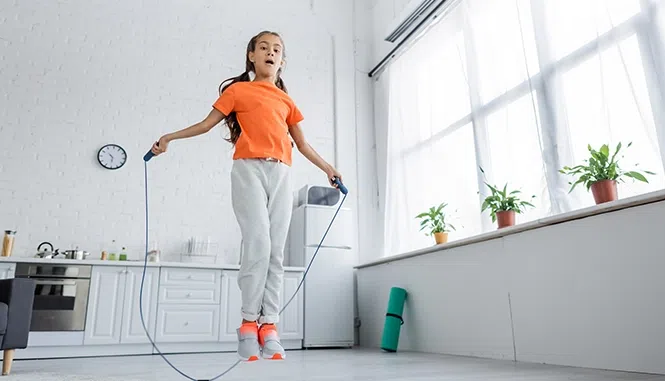
A simple game that cannot be played successfully, if all the team members are not in sync with each other. All you need is a rope that can be held by two adults on opposite sides. Now get about three to four children and as the rope is being turned, all of them must jump together at the same time. You can even play some music to help the children jump in rhythm. If all of them do not jump together, some will fall, while others may get their legs tangled in the rope. This game teaches synchronization, quick thinking, and patience.
3. Recreating blocks (Ages: 4-6 years)

In this game, you can have a large group of 7-8 children or a smaller group (3-5 kids). The adult conducting the game should show the group a set of blocks in different colors and shapes, which have been put together to form a shape, e.g., a house, a tree, an animal, and so on. They can look at it for a few seconds and then leave. The blocks are then dismantled, and the group must put them back from memory. This is a great game for smaller children and teaches them memory skills, coordination, and creative thinking.
4. Follow the leader (Ages: 6 -10 years)

This game should have four groups with at least five people in each group. Every group gets their turn one after the other. While the other groups stay out, one group gets into the room and the team members choose a leader. Then, the chosen member makes various actions that need to be replicated by the other members. At this juncture, the other groups are called in to watch. The leader can change the action without warning and the others need to follow suit. The group that guesses correctly who the leader of the performing group is, will go next. This game is good for learning coordination, the power of observation, and think on their feet.
5. Toss the ball (Ages: 3-6 years)

A simple and easy game that is not just great for team-building but for smaller children, helps in motor skills and eye-hand coordination. All the kids must do is move some colorful balls from one bucket to the other in a specified time. You can have no more than two or more children in a group who must take turns picking the ball and putting them inside. The group that moves the maximum number of balls is the winner.
As children, we may be part of a team in school and as we grow older we become part of a community. It is imperative we learn to live in harmony. That is why team-building games are helpful tools that teach us early on to work as a cohesive unit.
Discover the Power of Memory Games for Kids. Start Building Smarter Minds Today!




















Comments
Edit
Comment Flag
Cancel Update