
Introduce These 10 Simple And Effective Pre-Writing Activities For Toddlers
Lakshmi Naish
If you are wondering what you can do to help your toddler get the curves and edges of the letters right, engage them in a few fun pre-writing activities. Read on to find out more
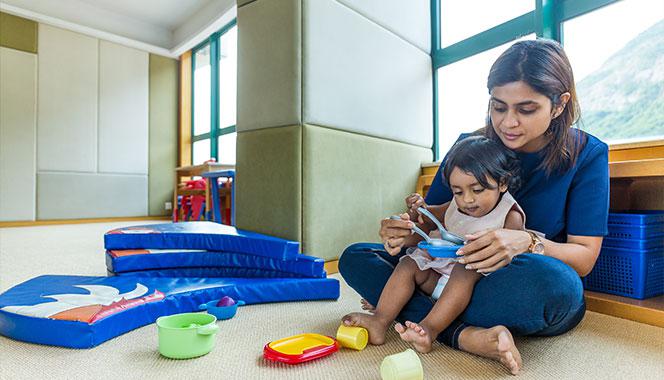
In an era of technology that we live in, with the fingers moving fast across the QWERTY keyboard, the art of handwriting is deteriorating. Computers and smartphones are dominating our lives. But, we should never forget that the mastery of penmanship is irreplaceable. Good writing skills bring along a host of benefits that play a strong role in shaping the mental health of a child. Healthy early writing skills can have numerous benefits as the child grows up. It leads to:
• Better coordination between the left and right brain
• Enhanced cognitive and learning skills
• Improved ability to grasp subjects quickly and be creative
• Clarity of thoughts
Importance of pre-writing activities
Many children suffer from poor writing skills early. Why does this happen? S Lakshmi, teacher at DAV Group of Institutions, Hyderabad, states, “I come across many parents, especially in the kindergarten sections, sounding very worried about their children's pencil grip and overall handwriting. We, in India, still do not give attention to key elements like motor strength, pincer grasp, eye-hand coordination and a host of other required activities before a child starts writing.”
Pre-writing activities are the basic skills for children to muster strength and dexterity in their hands. This helps a child hold and use things properly, say, a pencil to draw; a brush to paint. “Interesting exercises with everyday objects around the house ensure that the child's fingers get the firmness of grip. Also, rotatory movements help the elbow and the wrist,” reckons Mrs Vidya Sankar, Founder, Relief Foundation, Chennai.
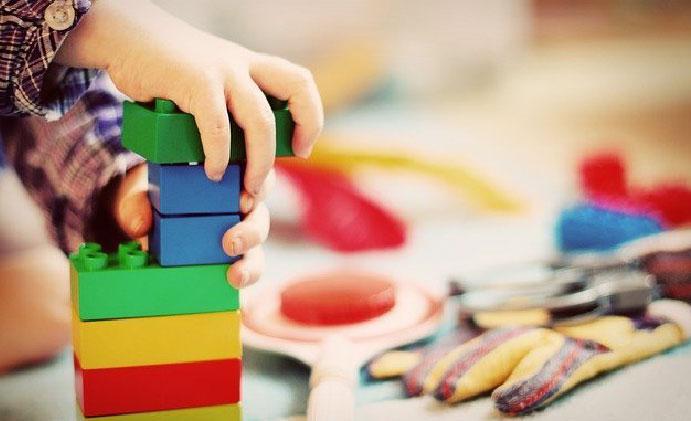
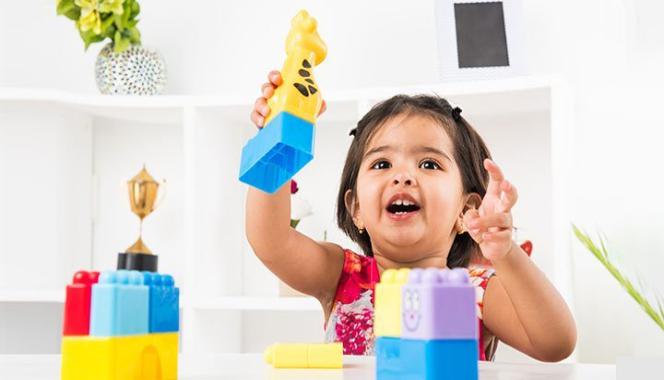
Pre-writing skills act as the building blocks in developing legible handwriting. Underdeveloped writing skills may stress the fingers and tire them. They can contribute to poor academic performance and lower self-esteem. Apart from helping develop good writing skills, pre-writing activities helps you spend quality time with your children, and keeps them away from gadgets. So, what are you waiting for? Take those smartphones away from your child and buy them a box of building blocks, colorful playdough or a set of coloring books. Enjoy watching them scribble, doodle and make their first attempts at writing.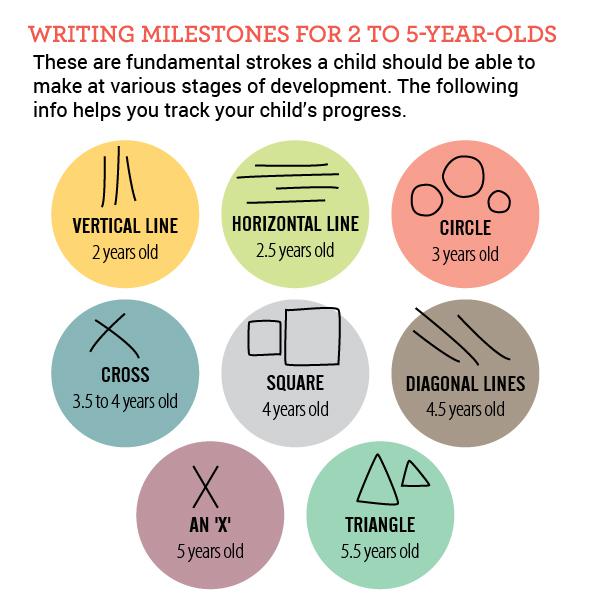
| TIP: Keep in mind that it's important to identify the dominant hand of your child. Reinforcing its frequent use can help your child write better. |
10 pre-writing activities
1. Making shapes with playdough

Rolling the dough and making it into fine balls and other shapes are activities that not only provide your child with enjoyment but also add strength to their hands and fingers.
2. Sketching on vertical surfaces

Children will usually be enthusiastic to scribble and colour the walls in your house. Do not discourage your child from doing this as it helps develop their fine motor skills and eye-hand co-ordination. However, if you are worried about the walls becoming untidy, you can nail a small black or white board within their reach. You can even hang thick chart paper on the wall for your child to scribble on.
3. Sliding beads onto a string

It’s a good exercise for your child to develop concentration and eye-hand coordination. It will improve their grasping power while also strengthening their hand muscles. (Ensure children don’t put the beads in their mouth; get large beads and/or supervise)
4. Using tweezers and tongs
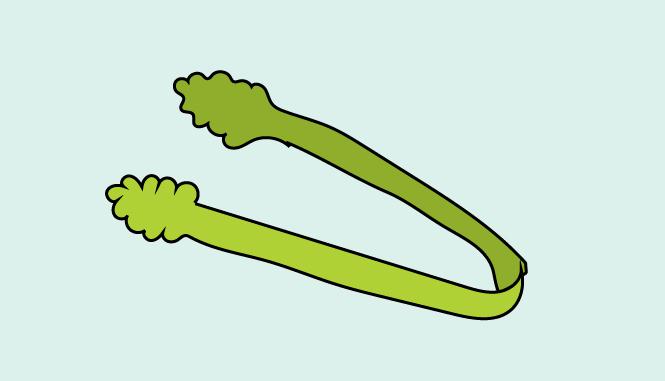
Let your child play around, holding and moving tiny objects with tongs. Using tweezers and tongs aids in developing fine motor skills in children. It also improves precision, hand manipulation and strength of grip.
5. Writing in cornmeal, salt or sand
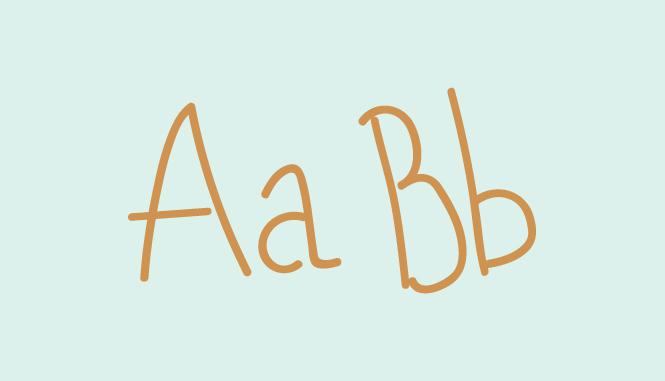
Spread any of these substances on a tray and get your child to trace the letters of the alphabet or designs on it with their finger.
6. Making paper balls

Scrunching paper and making them into balls are fun activities. Get your child to scrunch out paper balls; set up a dartboard and let your child attempt to hit the bull’s eye with the paper balls. This activity also increases the muscle strength.
7. Making cut-outs
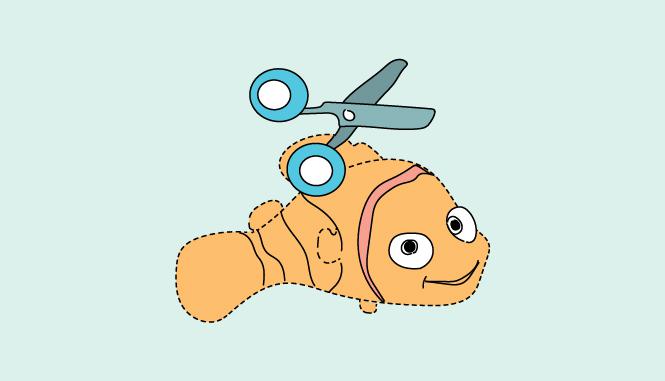
Make an outline of your child’s favorite character. Keep the image simple. Have them cut out the image. Use of scissors is a great way to strengthen hand muscles, manage pressure on the fingers and skillfully manipulate tools. It improves the ability to grasp a pencil.
8. Playing with droppers
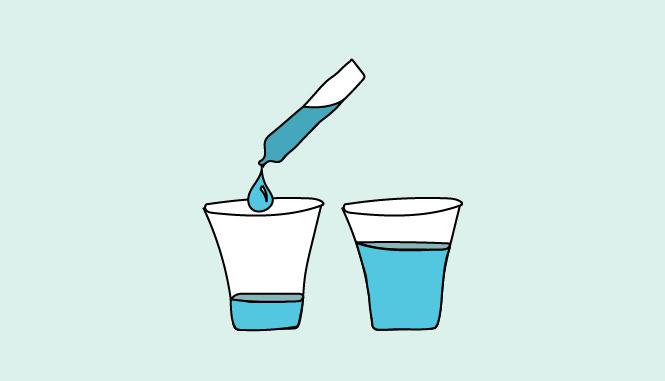
Take a glass of water and get your child to transfer the water using a dropper to another cup. The squeezing motion is a good pre-writing activity, which helps build strength in the hands.
9. Tracing using stencils
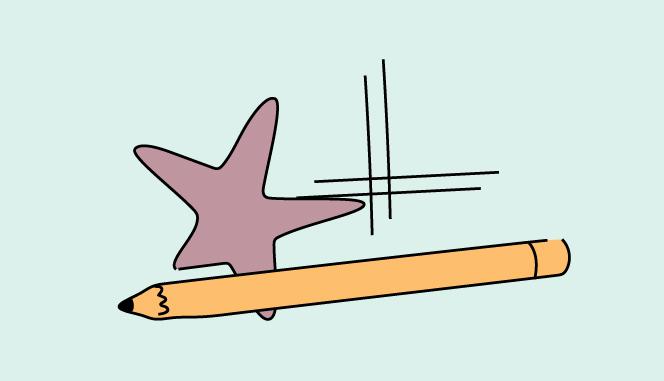
It is a good writing-readiness activity, which will help your child gain control in holding and using the pencil.
10. Pinning clothes on clotheslines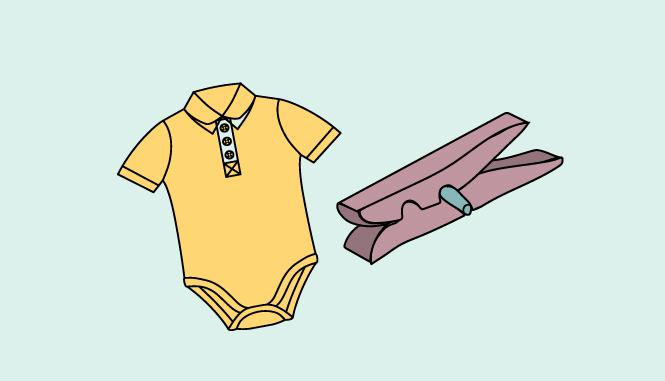 Hang baby clothes on a clothesline and make your child pin the clothes to it. Opening and fixing clothespins gives strength and flexibility to the fingers.
| Note: Exercise caution when your child is using the scissors, beads, tweezers and tongs. |
Discover the comprehensive approach of The Dot phonics program for pre-primary children that lays a strong foundation for future literacy. The program focuses on the letter sounds and has a series of levelled decodable readers. The pre-writing activities prepare the children for writing letters and little words.





















Comments
Edit
Comment Flag
Cancel Update