
10 Practical Life Skills Every 10-Year-Old Should Know That Will Last A Lifetime
Sahana Charan
Discover 10 practical life skills every 10-year-old should know to build independence, confidence, and resilience. Simple, everyday lessons that prepare kids for success and last a lifetime
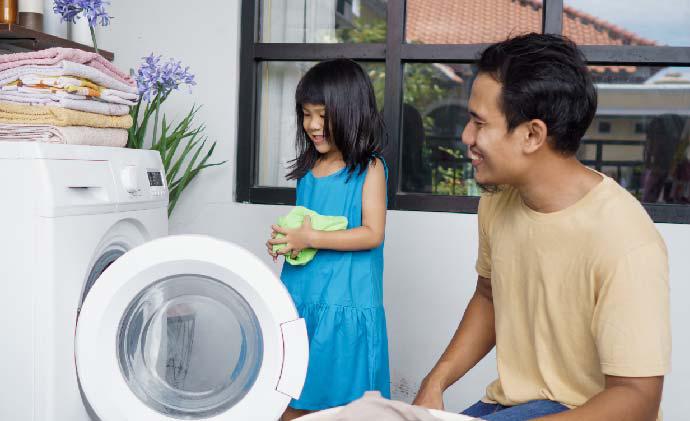
In a well-known experiment done in the 1960s by Dr Walter Mischel, a psychologist at Columbia University, a few toddlers were asked if they wanted one marshmallow right then or two marshmallows later. Sounds quite simple, doesn't it? Well, the results of the study, which followed up on the individuals when they were adults, showed that those who learn the qualities of self-control and patience early and can resist temptation, show more focus and are more likely to fulfil their goals.
Some of the simple day-to-day skills children learn help imbibe lessons in patience, planning, paying attention, making comparisons, self-control, managing frustration, standing up for themselves, and so on. These could be going to a neighbourhood store and buying groceries, placing an order and then waiting patiently for the food to arrive at a restaurant, or setting up a food stall for a school fair.
So, while we, as parents, focus on our kids' intellectual abilities, we also need to ensure that they master some practical skills that are necessary for daily life. Read on to find out what these are.
1. Making a sandwich
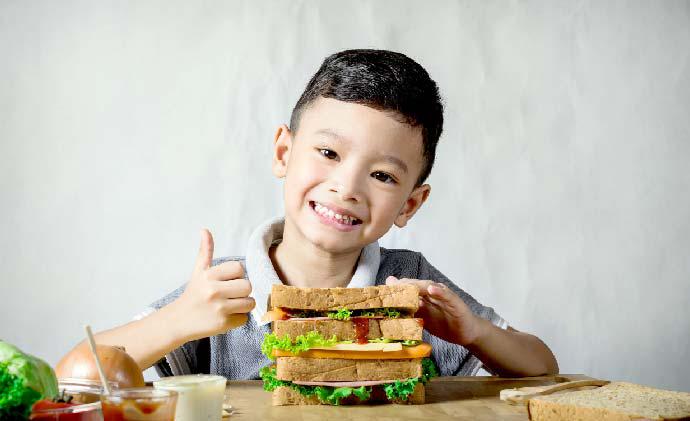
The majority of children are getting into the kitchen and helping with some light chores, such as pouring, mixing, and measuring ingredients, by the time they are in preschool. So, a 10-year-old is adept at putting together a regular sandwich without much effort. A child learns patience and perspective while looking for ingredients, placing them neatly on the bread, and cleaning up later.
Activity to try: Ask your child to make a cucumber and tomato sandwich for you. Let them look for the ingredients in the fridge or kitchen shelf without getting your help often. Tell them to plate it neatly. It will be a great experience for both of you.
2. Wrapping a gift
Remember how excited we would get as little kids when we were given the responsibility of putting Christmas gifts for loved ones in goodie bags or wrapping up a present for a friend's birthday? A child can become proficient in this craft by the time they're six or seven years old. Cutting gift paper, wrapping it neatly, and tying the colourful ribbon around the gift will help the child develop dexterity and inventiveness.
Activity to try: Next time there is a birthday or anniversary that the family is attending, give the task of gift-wrapping to your little one. From selecting the wrapping paper to writing a thoughtful message on the card, let it be their responsibility.
3. Shopping at the grocery store

Do you ask your child to run errands? There is nothing wrong with getting your 10-year-old to quickly run or cycle to the local store (of course, without having to navigate traffic) and buy some essentials for you. It is a great exercise for children to learn how to look for specific things, make comparisons, check quantities, and spend money responsibly.
Activity to try: Take your child with you to the departmental store and ask them to pick a pack of wheat biscuits, which is the cheapest of the lot. The task will teach them to compare prices, make an informed decision, and choose what they think is the best one within a budget.
4. Placing an order at a restaurant
You may have noticed preschoolers and even older children throwing a tantrum at the table while in a restaurant. Well, a good way to teach children to be independent and make decisions is to start telling them to order food for themselves by the age of 6-7 years. Initially, it might be a long wait while they take a look at the menu and figure it out, but by the time they are 10, they should be able to choose a dish and politely place an order with the waiting staff.
Activity to try: Have your child play a mock restaurant at home. Let them prepare a menu card with dishes written on it, and both parents can act as the guests. Your child can play the role of a waiter. Tell him to enact a scene where he asks you for your order, and you can politely ask the questions and place orders.
5. Using a map

As much as this is an important skill for adults, it is essential for kids, too. Reading a map is necessary not just to know your way around but also to avoid getting lost in an unknown place. As children grow up, this will help them navigate their way easily and therefore build confidence.
Activity to try: Make your 10-year-old draw a map from your home to their school on a sheet and ask them to mark all the important streets on the route.
6. Riding a bike
This is a requisite skill for a child to learn and helps them in many ways. Many children start cycling in the preschool years and become quite adept at manoeuvring the bicycle by the time they are ten years old. Riding a bike (while being careful on the road) will give your child a sense of freedom and confidence.
Activity to try: Mark a pathway with chalk from Point A to Point B (in a place that is free of traffic) and ask your little one to follow the route on their bike without speeding and within a reasonable time limit.
7. Cleaning their room
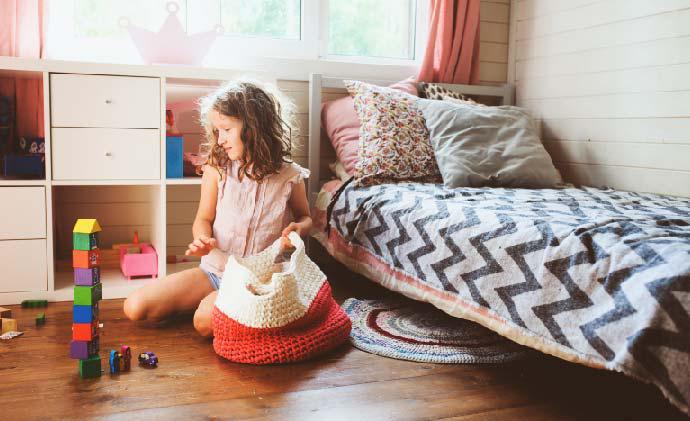
Parents need to inculcate this skill in children starting from the toddler years. Tell the little ones to put back their toys after they have finished playing, to help you put clothes in the laundry, and so on. As they grow, they will learn to keep their books in place and to fold their clothes. We call it a skill because it teaches organisation and responsibility.
Activity to try: Cleaning is a chore that children run away from, but you can make it a fun task. Your child can make a colourful work chart and tick boxes in the chart as and when they finish a chore.
8. Eating with a fork and a spoon
By the time your child reaches the toddler stage, they show interest in eating on their own. So, at the age of 10, they should be quite deft in using a spoon and a fork, and can confidently use cutlery to eat at a restaurant or a friend's place. In the Indian context, teach your child to be confident, both while sitting on the floor and eating with their hands, and while using a fork and spoon.
Activity to try: Going one step further from the mock restaurant activity, you and your child can play a game where everyone must sit down at a formal dinner with cutlery and plates, with a few fruits or cooked veggies. Encourage your child to demonstrate how to use the cutlery.
9. Having a sense of humour
Your 10-year-old should be able to have a witty conversation with another person and hold their attention for a reasonable amount of time. Encourage your child to see the lighter side of things occasionally. The confidence and sense of self that a 10-year-old child derives from telling a humorous anecdote to peers or adults are what make this an important skill.
Activity to try: Get your little one to look for funny anecdotes/jokes in comic books and magazines, and compile them. Then let them improvise on some of them and tell these jokes with a twist or a story.
10. Saving money
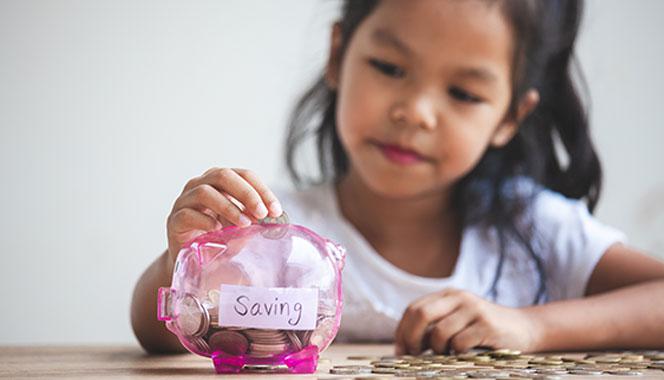
Preschoolers start their financial journey by putting loose change in a piggy bank, and this introduces them to the concept of saving money for the first time. They also learn to appreciate small changes and how they all add up. Eventually, when children start getting pocket money, they know that it can be used to buy things. A 10-year-old should be able to save up for something that they want to buy and make small sacrifices, like giving up on the ice cream or chocolate, towards the larger end.
Activity to try: Give your child a specific amount of money for a week and ask them to manage the house finances, such as paying the newspaper vendor, buying groceries, paying the electricity bill, and so on, with that amount.
All these skills are essential for children to master by the time they are ten years old. Parents can teach their little ones important values through these skills that will last a lifetime.




























Comments
Edit
Comment Flag
Cancel Update