
Money Management For Kids: Smart Ways To Teach Your Child How To Handle Money Wisely
Aruna Raghuram
Money doesn't have to be a grown-up topic! Raising a money-smart kid starts with simple, everyday conversations and habits. Teaching children about saving money equips them with life skills that last forever. Discover smart, fun ways to help your child build a healthy relationship with money
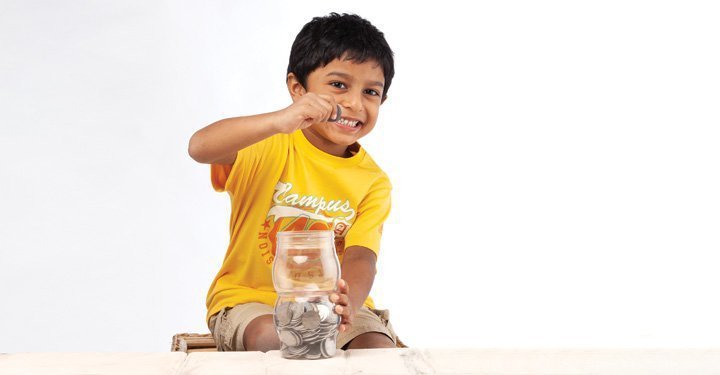
Anupama Menon is busy shopping at a departmental store. While she browses through the books section, her five-year-old son, Rahul, sneaks into the toys and games area. He is excited to see several new toys. He quickly picks up an armful of toys and rushes to his mother. Anupama tells him he must choose two out of the eight he has picked. She explains to him that they cannot afford to buy so many toys. "But Mama, you can always go to the ATM and get more money," asserts Rahul with a disappointed look.
While most of us grew up hearing the phrase, 'Money does not grow on trees', the children of today believe money flows in ATMs and that there is an endless supply available. That endless supply is the problem and also the first reason for you to teach money sense to your child. Yes, indeed, money does not make the world go around (And no child should be taught otherwise). However, it is essential to teach children money basics to empower and equip them with the knowledge, skills, and confidence to build a secure future for themselves.
According to Holly Reid, author of Teach Your Child to Fish: Five Money Habits Every Child Should Master, no one is born knowing how to fish. They have to be taught. Similarly, your child must be taught the rules and tools of money management. The five money habits Holly focuses on in her book are: spending wisely, saving, using credit responsibly, giving generously, and being rewarded for hard work.
What’s the right age to start giving pocket money?
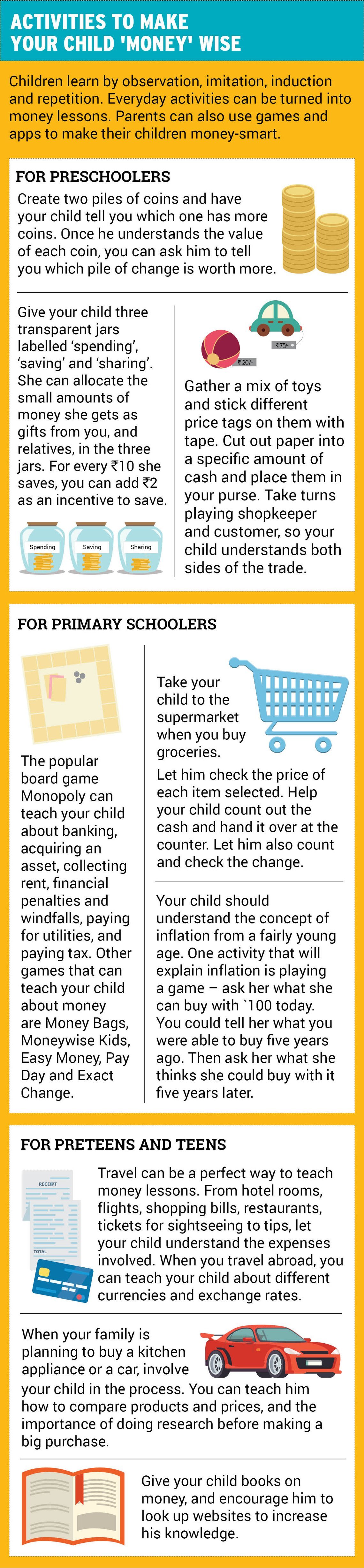
You can introduce money concepts to your child as soon as they begin to count (by age four or five). It is never too early to start teaching children smart money habits. Here's how to go about it:
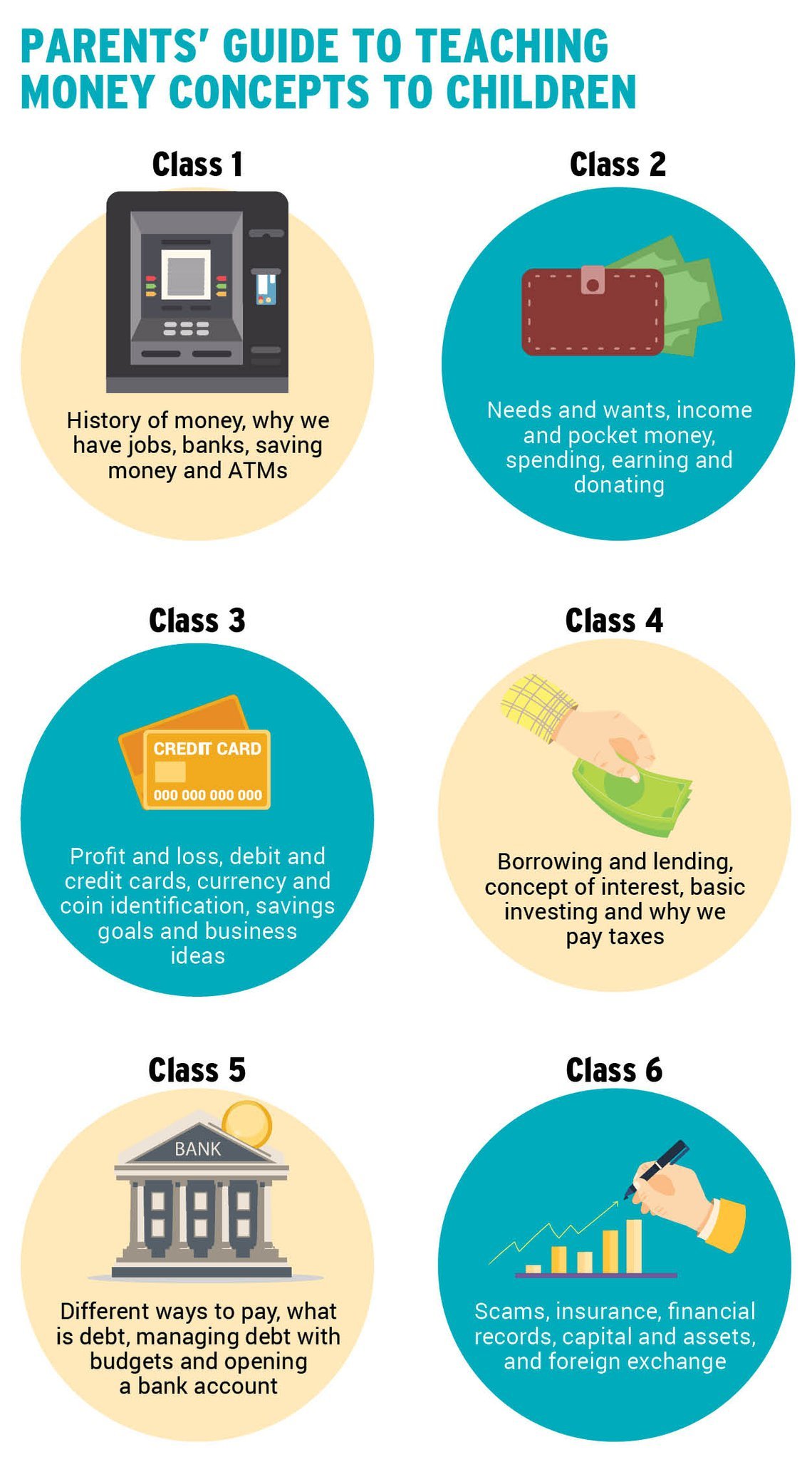
What parents can do to build smart money habits
Why pocket money teaches kids smart spending
Have your child use a notebook to keep track of where the money goes each month. This would be like maintaining an 'accounts register' that records income, expenditure, and savings regularly. This will help your child become aware of their spending habits and manage expenses better.
Father-daughter duo Gordon Pape and Deborah Kerbel, who jointly wrote the book Money Savvy Kids: The Best Ways to Teach Your Children About Money for a Strong Financial Future, recommend introducing kids to budgets from age nine onwards to track spending and to encourage savings. Open a bank account for your child once they are ten years old.
Teaching children patience: The value of delayed gratification in money management
Encourage your child to make a wish list. When they review the list a few days later, they may realize they no longer want some items. Also, children learn to appreciate things when they have to wait for them. Teaching your child the concept of delayed gratification can help them combat the 'Buy now, pay later' mentality that can lead to credit card debt.
Helping children take responsibility for their financial choices
Ron Lieber, author of The Opposite of Spoiled: Raising Kids Who Are Grounded, Generous, and Smart About Money, said, "Once you set a budget, it's important to let your kids make their own financial choices even if the way they're choosing to spend their money doesn't match your preferences."
His rationale is that they get it all wrong and learn from their mistakes while they're still under your watch.
Model healthy money habits: How parents shape children's financial future
Never underestimate the effect your own money habits (good and bad) have on your child. Be honest about the bad financial decisions you have made so that your child does not make the same mistakes. Avoid shopping as a leisure-time activity.
Connecting work and money: Effort builds value
Emphasize that you don't get anything for free and you have to work for money. Valuing hard work will curb any sense of entitlement your child may have and help them be more respectful of money.
Why paying kids for chores can backfire, and better ways to teach money skills
It is better not to tie chores, doing homework on time, keeping the room tidy, or any other good behavior, to money. This will rob your child of the satisfaction of achieving something from self-motivation. Also, never buy gifts for your child because you feel guilty about not spending enough time with them.
Expert speak
To understand the concept better, we spoke to a financial expert, K. Satish, Director, Zen Money, Hyderabad:
Q. Why should parents teach children about money?
Knowing about money and how to manage it is one of the most important life skills. Also, building the saving habit in children from an early age will reduce the risk of debt-related problems later in life.
What are some of the money-related concepts children should understand?
- Saving: This involves spending less money than what you have and setting that money aside for future use. Typically, all short-term and urgent requirements are met from savings deposited in banks, where the risk is low.
- Power of compounding: Children should be made aware that money grows when they invest their savings in various ways, such as bank fixed deposits, mutual funds, bonds, stocks, and real estate, to earn an attractive rate of return. Here, the power of compounding works for you. On the other hand, if you take a loan, you have to pay interest. Here, the power of compounding works against you.
- Achieving a financial goal: Parents must involve preteens in planning for their college education. This will equip them to achieve financial goals later in life, like buying a house or making retirement provisions.
- Difference between an appreciating and depreciating asset: While gadgets and vehicles depreciate over time, money in the bank appreciates. Teach your child about inflation and its effect on the economy. Let your child understand real estate, interest, earnings, investments, etc.
- Money can't buy everything: Children should be made aware that there are things such as love, relationships, health, and joy that money can't buy.
What else do financial learnings teach your child?
Knowing the difference between needs and wants
While a need may have to be fulfilled immediately, a child can wait to satisfy wants. Understanding this will help your child make appropriate money choices. Focusing on needs rather than wants also makes your child a happier person.
Delaying gratification
In the famous Marshmallow Test, a marshmallow was placed before a child, and they were told they could have a second one if they waited 15 minutes without eating the first one. Passing the test is considered a promising signal of future success in life.
Being disciplined
Discipline helps in achieving any goal in a structured way.
Finally, to ensure that children develop a healthy relationship with money, parents must help them realize that money is only a tool to achieve personal goals, and not the end goal itself.
This article was featured in the April 26, 2026, edition of The Free Press Journal
Last updated on: March 30, 2026































Comments
Edit
Comment Flag
Cancel Update