Chickenpox in kids manifests with symptoms such as fever and itchy rashes all over the body. Learn about chickenpox contagiousness, symptoms, treatment and home remedies for your child.
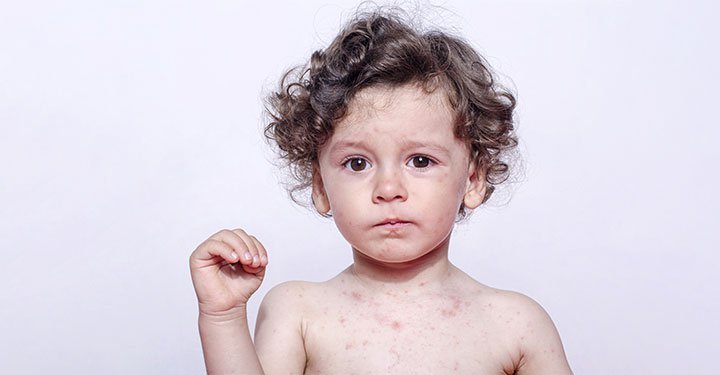
Chickenpox is one of the most common infections among children. In fact, it affects adults too, often more severely than children.
Chickenpox symptoms in babies is more concerning. It can cause serious complications due to a baby's weak immune system. As a parent, here are a few facts you should know about chickenpox to keep your child safe from this highly contagious disease.
Chickenpox is caused by the varicella zoster virus (VZV). It manifests as red, itchy blisters all over the body which causes much discomfort. After being infected with VZV, it takes between two to three weeks for the symptoms to manifest. However, on the brighter side, most children who get chickenpox develop lifelong immunity to the disease. Since the disease is quite widespread in our country, doctors can diagnose it by just looking at the symptoms. So, no test is usually required to diagnose the disease.
New blisters develop throughout the body for about four days following the appearance of the first rash. The clear fluid in the blisters turns cloudy and the blisters burst, releasing the fluid. Once this happens, scab forms over the blisters. Usually, by day six, all the blisters develop scabs. The scabs take a week or two to fall off and may leave marks on the skin. These marks take time to fade away.
Children infected with chickenpox usually recover within 7 to 10 days of the symptoms first showing up.
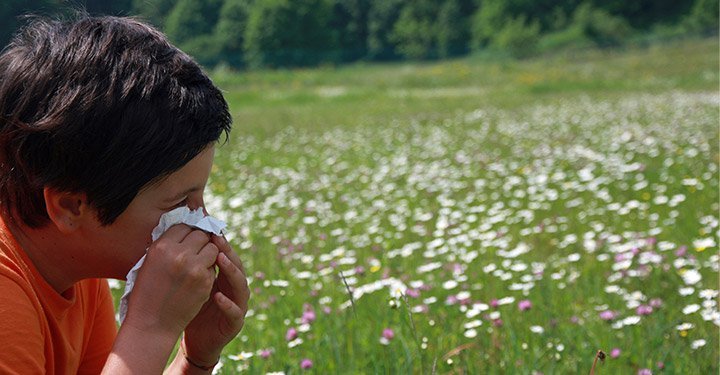
The virus is released into the air when an infected person sneezes or coughs. Contact with body fluids such as mucus and discharge from the rashes or blisters of an infected individual also transmit the disease. Even a brief contact is enough to cause the infection.
Because chickenpox is so contagious, classrooms, shopping malls, cinema theatres, slums and other crowded areas are high-risk places. An infected individual can pass on the disease one or two days before the rashes appear and remain infectious till the last blister dries up. Since chickenpox is usually diagnosed only after the rashes develop, preventing it from spreading is difficult.
Although chickenpox is generally a mild illness in children, susceptible adults and high-risk individuals may become seriously ill after exposure. These include:
Healthcare providers can usually diagnose chickenpox just by looking at the rash. In some cases, additional tests may be performed.
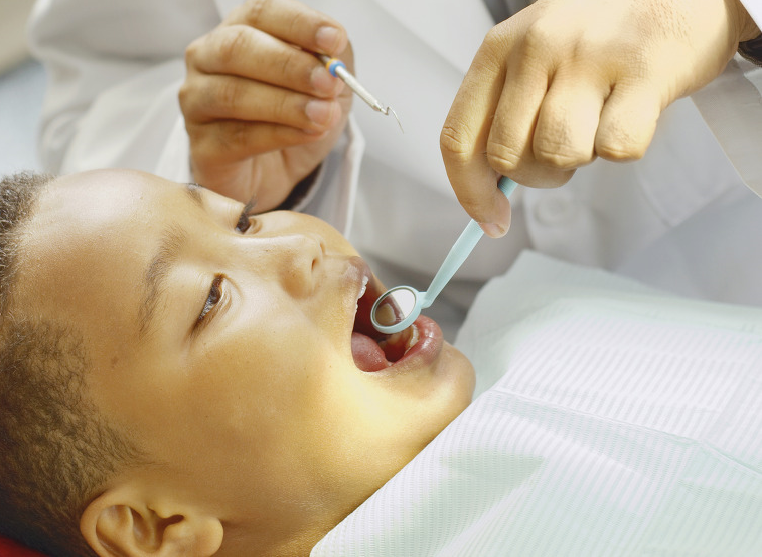
Parents should consult the paediatrician as soon as they suspect their child has chickenpox. However, it is a good idea to inform the doctor beforehand about the suspicion. Doing so may prevent the doctor from making the child wait in the waiting area, as this increases the chances of the child passing her infection to others. Also, if the skin around the rashes becomes red and sore, it could be a sign of infection. So, consult the doctor at the earliest.
Although chickenpox clears out once the disease goes through all the stages, some children may develop secondary infections of the lung and stomach. In rare cases, chickenpox infection can also lead to dangerous conditions like Reye's disease. So, talk to your doctor if you think there is something wrong with your child.
There are two types of treatments for chickenpox:
Once the varicella virus infects an individual, there is no medication to stop it from causing chickenpox. However, the symptoms, which cause a lot of misery, can be eased.
The doctor can give medicines to provide relief from fever and body ache. Antihistamines may be prescribed to relieve itching. Acyclovir is also helpful in reducing the itchy sensation.
Some drugs, even common ones like aspirin, are not prescribed during a bout of chickenpox, as they could affect organs like the liver and cause serious complications.
Medical science provides effective safeguard against chickenpox - the chickenpox vaccine or varicella vaccine. Quite a few of us born prior to the 1980s, before the chickenpox vaccine was introduced, would have suffered from the disease at some point in our lives. However, fewer cases are being reported since the 1990s, after the vaccine became available.
The first dose of the chickenpox vaccine is usually given to babies between the ages of 12 and 15 months. The second dose, or the booster shot, is given when the child is between 4 and 6 years old. Older children who missed getting the vaccine earlier can take both the doses 28 days apart or as per the doctor's advice.
According to a paper published by the Immunization Action Coalition titled, 'Varicella (Chickenpox): Questions and Answers', the chickenpox vaccine provides 99% children with immunity from the disease.
Home remedies for chickenpox focus on making the child feel as comfortable as possible. The main cause of discomfort is the itchiness of the rashes. This can be soothed by applying calamine or other anti-itch lotion. Some other things you can do are:
Like all illnesses, chickenpox can affect the appetite of your child. But, even if your child is reluctant to eat, see to it that he drinks lots of fluids. Fresh fruit juice and buttermilk are good, and so is plain water. Tender coconut water is both cooling, and full of minerals and essential salts. Give your child as much of it as he wants.
Chickenpox rashes and blisters can also appear on the inside of the mouth and the throat. This could make chewing and swallowing difficult. So, give your child bland, soft food. A rice and moong dal khichdi without spices, idli or other steamed foods are ideal. Your child may appreciate having soup too. Carrots and coriander have a lot of antioxidants, so add plenty of those to any soup you make.
Cool or cold drinks and ice creams will ease the itchiness of the rashes, and your little one will be glad to have them.
Remember, a light diet is the best. Avoid spicy and oily foods.
Although chickenpox is highly communicable, simple precautions can contain the spread.
Can family members around a child suffering from chickenpox avoid catching the infection? Well, here is what the article, 'Varicella (Chickenpox)', published on the CDC website says: "Varicella vaccine is recommended for postexposure administration for unvaccinated healthy people aged ?12 months and without other evidence of immunity, to prevent or modify the disease. The vaccine should be administered as soon as possible within 5 days after exposure to rash, if there are no contraindications to use."
The article further says, "People without evidence of immunity who have contraindications for vaccination and who are at risk for severe varicella and complications are recommended to receive postexposure prophylaxis with varicella zoster immune globulin."
Also read: Why Vaccines Are Important For Your Child's Immunisation
According to the NHS website, "Yes, it is possible to get chickenpox more than once, but this is extremely rare. Most children who have had chickenpox won't get it again because they're immune to it for life. However, some individuals who have had chickenpox earlier will develop a related condition called shingles later on. This is caused by the chickenpox virus being reactivated, usually several decades later."
Complications can arise, especially in adults and people with compromised immune systems. The VZV remains in the body of an individual who has had chickenpox. At times, when the individual's immunity level goes down, the virus may manifest again as shingles. So, older people should take care to eat nutritious food and sleep well, to keep their immunity high. Unlike chickenpox, which appears all over the body, shingles rashes appear only in isolated areas.
Chickenpox during pregnancy can lead to complications such as pneumonia in the mother, or in rare cases, birth defects. Chickenpox is also very dangerous for newborn babies. Pregnant women should contact their healthcare provider right away, if they develop any signs of chickenpox.
Pregnant women who are exposed to the virus cannot receive the varicella vaccine, but they may need to take varicella immune globulin, an injection that can help protect against infection. Pregnant women who get chickenpox need to be closely monitored for signs of infection and/or complications.
If your little one does catch the virus, don't feel unduly worried. Chickenpox isn't a dangerous disease, and the discomfort can be eased. Remember, although there are many myths associated with this disease, and a list of do's and don'ts, not all of them have a scientific basis. So, follow the doctor's advice and care for your child, and he will soon be back to normal.
About the expert:
Reviewed by Dr Srinivas Prasad B R on 31 August 2019
The expert is a consultant paediatrician and neonatologist.
About the authors:
Written by Susan Philip and Arun Sharma on 3 April 2019; updated on 31 August 2019
Susan Philip, mother to a promising lawyer and an upcoming engineer, believes in empowering her children to be the best that they can be. In a career spanning more than two decades of both online and print-based writing and editing, she has worked for the PTI, UNDP and WAN-IFRA. She also functions as Editorial Coordinator for book projects.
Arun Sharma was associated with the healthcare industry before becoming a full-time writer and editor. A doting father to two preteens, he believes in experiential learning for his children. Also, he loves mountain trekking and nature trips.
Looking for expert tips and interesting articles on parenting? Subscribe now to our magazine. Connect with us on Facebook | Twitter | Instagram | YouTube
Join our Circles to share, discuss and learn from fellow parents and experts!

Comments
Edit
Comment Flag
Cancel Update