
SIDS In Babies: All You Need To Know
Dr Gopinath Rao
author parentcircle author parentcircle author parentcircle author parentcircle author parentcircle author parentcircle
Though rare, SIDS is a dreaded phenomenon which causes the death of children. Read on to know more.
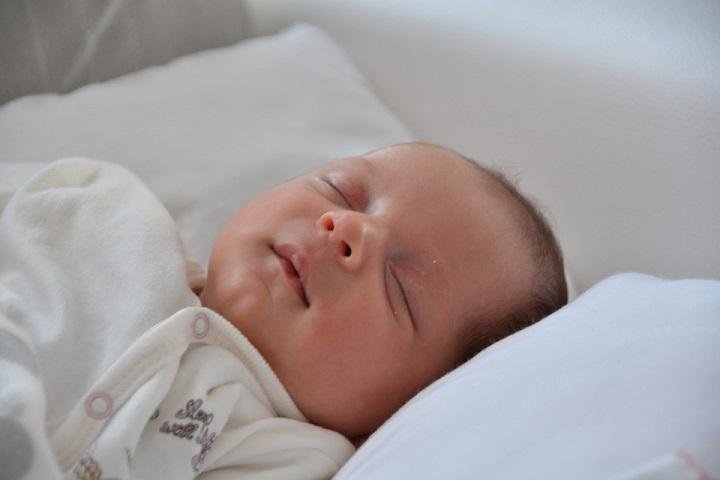
Sudden Infant Death Syndrome (SIDS) is the sudden death, during sleep, of a seemingly healthy baby. Globally, the reported incidence of babies dying from SIDS, which is also referred to as 'crib death' or 'cot death,' is anywhere between 0.5 to 1 infant death per 1000 live births.
In India, a reported estimate would be about 1 infant for every million population. This huge disparity in the incidence of SIDS is probably due to lack of awareness and poor reporting of the syndrome in countries such as India.
Risk factors for SIDS
SIDS is most common in babies of the age group 2-4 months. SIDS can happen any time during infancy, but the riskiest time is when the infant is between 2 and 4 months old. It has been seen that African American babies are more at risk followed by Caucasian babies where the male gender is more vulnerable to SIDS than the female gender.
Babies born prematurely, those with a low birth weight and those born to teenage mothers are also at risk.
What causes SIDS?
Till date, there is no one explanation as to why some babies die of SIDS. Some factors that have been considered as the cause are:
- Immaturity in breathing pattern, slow heart rate and irregular sleep-wake cycles
- Babies who are unable to withstand the increased stress of even minor infections may fall prey to SIDS
When does it occur
SIDS usually occurs between midnight and 9 a.m. when the child is sleeping. It is also known to be more common during extreme temperatures.
Causes of SIDS
To begin, exposure to tobacco smoke any time before or after birth is an important risk factor. Babies sleeping on their tummies or on their sides are definitely at more risk compared to babies sleeping on their backs. This is probably one of the very few facts backed by a robust evidence base than any other fact available so far on SIDS. This was followed by a huge campaign throughout the world called 'Back to Sleep.'
According to BabyFlatHead, when a survey of mothers was taken in 1992, when the SIDS rate was still high, it was found out that only 13 per cent of infants were placed on their backs to sleep. This led to the creation of the 'Back to Sleep' campaign in 1994 in the United States with a view to promoting the idea that all infants under one year of age should be put to sleep on their backs.
Precautions to reduce the risk of SIDS
Although, there is no fool-proof plan to avoid SIDS, placing infants on their back when they sleep is one vital way to prevent it. Some other precautions include:
Avoid smoking
Ensure room sharing, but not bed sharing
Avoid soft toys or fluffy pillows in the baby' cot
Use hard sleeping surfaces
Promote breastfeeding
Ensure timely vaccinations
Pacifiers are also known to reduce the incidence of SIDS
Avoid over-bundling of babies
Devices to prevent SIDS
There is no scientific evidence that the electronic breathing monitor or other similar devices used to check the oxygen concentration in the circulating blood or heart rate can reduce the incidence of SIDS.
The author is a Neonatologist at Motherhood Hospitals, Chennai.
As a parent, you should keep yourself fully informed about SIDS in babies. This ClipBook contains tips to prevent sudden infant death syndrome.





















Comments
Edit
Comment Flag
Cancel Update